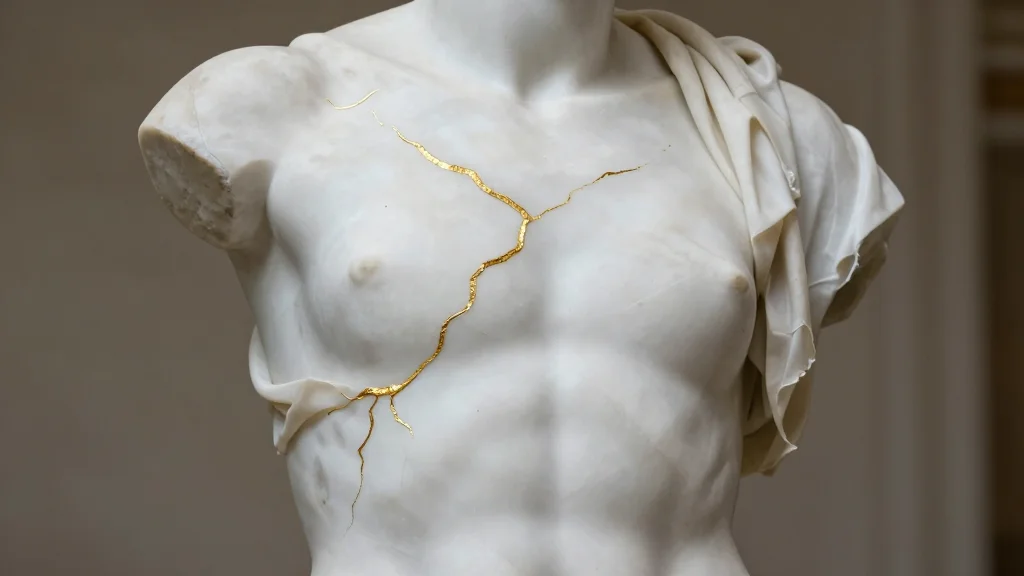
‘Subvert, Repair, Reclaim’ Exhibition Reexamines the Nude in Contemporary Art

Why It Matters
‘Subvert, Repair, Reclaim’ reframes a foundational genre of Western art, challenging the historical objectification embedded in the nude. By centering artists who bring feminist, diasporic, and disability perspectives, the show expands the canon and invites institutions to reconsider acquisition and exhibition strategies. The backing of foundations focused on social impact underscores a shift in arts funding toward projects that interrogate power and representation. The exhibition also illustrates how digital platforms can amplify critical art discourse, making high‑level curatorial conversations accessible to a broader public. This model may influence how future exhibitions launch ancillary programming, blending physical installations with virtual dialogues to foster inclusive, transnational conversations about art and identity.
Key Takeaways
- •Curator Carmen Hermo assembled artists Mary Enoch Elizabeth Baxter, Joiri Minaya and Katherine Sherwood for ‘Subvert, Repair, Reclaim’
- •Zoom roundtable hosted by artist Gaby Collins‑Fernandez enabled a live discussion of the exhibition’s themes
- •Marion Boulton Kippy Stroud Foundation and Teiger Foundation funded the conversation and archive initiative
- •Artists have exhibited at MoMA PS1, Yale Art Gallery, National Museum of World Cultures, and Brooklyn Museum
- •Future installations planned for Europe and Asia; dates not yet disclosed
Pulse Analysis
The ‘Subvert, Repair, Reclaim’ exhibition marks a decisive moment in the ongoing redefinition of the nude within contemporary art. Historically, the nude functioned as a pedagogical tool for mastering anatomy and a vehicle for idealized beauty, often filtered through a patriarchal lens. By assembling artists whose practices intersect feminist theory, diaspora studies, and neuro‑aesthetic research, the show destabilizes that legacy and offers a pluralistic visual vocabulary.
From a market perspective, the exhibition signals a growing collector appetite for works that combine aesthetic rigor with sociopolitical relevance. Baxter’s recent accolades—particularly the Anonymous Was A Woman award—position her as a rising figure whose market value is likely to appreciate as institutions seek to diversify their holdings. Similarly, Sherwood’s neuro‑rehabilitation paintings have attracted attention from medical humanities scholars, opening cross‑sector acquisition opportunities.
The digital roundtable underscores a broader trend: curatorial programming is increasingly hybrid, leveraging online platforms to extend reach and generate data on audience engagement. This approach not only democratizes access but also creates new revenue streams through sponsorships and foundation grants, as evidenced by the involvement of the Marion Boulton Kippy Stroud and Teiger Foundations. As the exhibition travels, its ability to adapt programming—potentially integrating AR or participatory workshops—will be a litmus test for how effectively contemporary art institutions can fuse critical discourse with immersive experiences.
Looking forward, the exhibition’s emphasis on reclamation may inspire a wave of similar projects that interrogate other entrenched artistic tropes, from landscape to portraiture. Curators and artists alike will likely monitor the reception of ‘Subvert, Repair, Reclaim’ as a benchmark for how successfully the art world can confront and reconfigure its own historical narratives.
‘Subvert, Repair, Reclaim’ Exhibition Reexamines the Nude in Contemporary Art
Comments
Want to join the conversation?
Loading comments...