Why It Matters
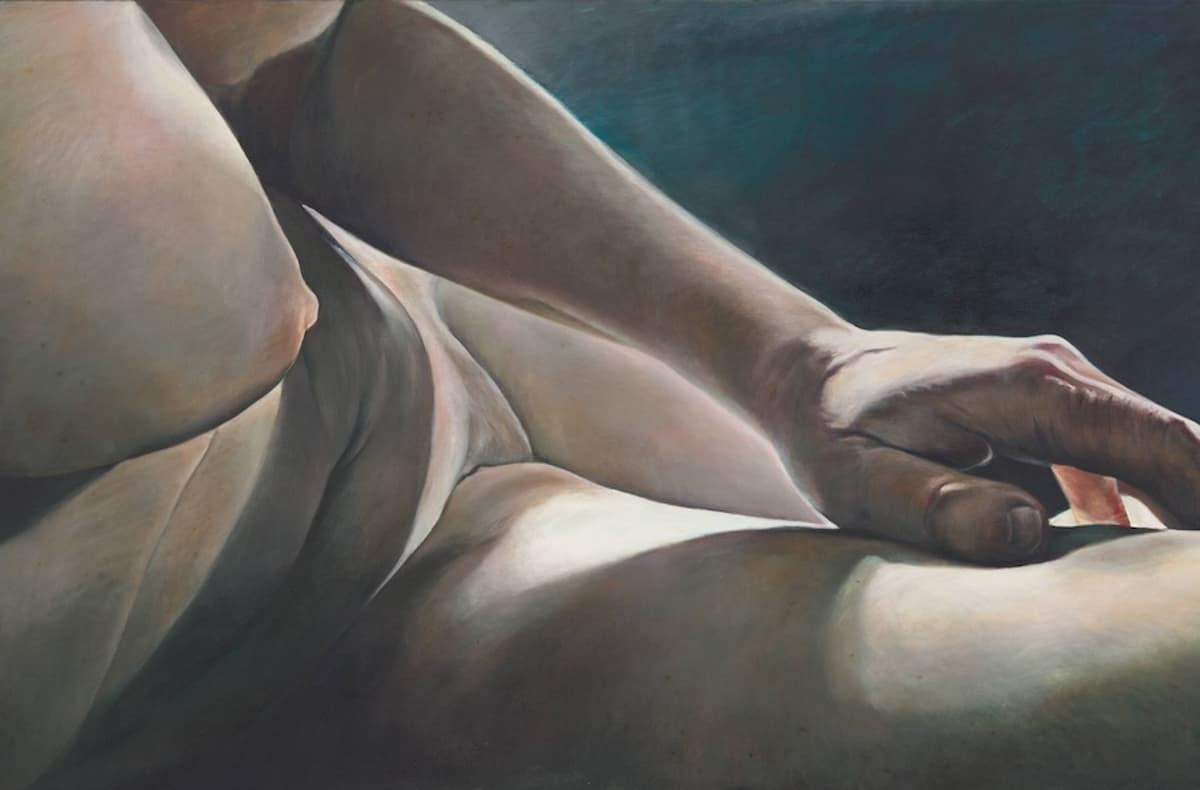
Semmel’s reorientation challenged the male‑dominated canon of the nude, opening space for female agency in contemporary painting and influencing subsequent generations of feminist artists.
Key Takeaways
- •1970: Semmel returned to NYC, abandoned abstraction.
- •New works featured erotic, female‑centered nudes.
- •Aimed to subvert traditional nude genre.
- •Retained abstract color intensity and brush scale.
- •Influenced feminist art discourse and market demand.
Pulse Analysis
When Joan Semmel stepped off the plane for New York in 1970, the city’s art world was still reverberating from the dominance of abstract expressionism. Having trained at Cooper Union and Pratt, and sharing studios with peers like Alex Katz, Semmel possessed a command of saturated color and monumental brushwork that were hallmarks of the 1950s movement. Yet the cultural upheavals of the late‑sixties—civil‑rights activism, second‑wave feminism, and a growing critique of the male gaze—prompted her to abandon pure abstraction. Within months she rented a Soho loft and began sketching a new visual language that would fuse her formal expertise with a politically charged subject matter.
Semmel’s new canvases foregrounded the female nude not as an object of desire but as an autonomous subject, often depicted in candid, unidealized poses. By applying the gestural vigor and saturated palettes of action painting to intimate, erotic scenes, she destabilized the historic hierarchy that privileged the male artist’s perspective. Critics have noted that her work “subverts the whole genre of the nude,” because it reclaims the body for women’s self‑representation while retaining the visual intensity of her earlier abstract work. This hybrid approach resonated with feminist artists seeking to rewrite visual narratives of gender and sexuality.
Decades later, Semmel’s paintings command attention in major museum retrospectives and fetch six‑figure sums at auction, reflecting both artistic merit and cultural relevance. Her influence can be traced in the practices of contemporary painters who blend abstraction with figurative feminist content, such as Kara Walker and Mickalene Thomas. As the art market increasingly values works that challenge canonical histories, Semmel’s oeuvre offers a case study in how a personal stylistic pivot can reshape an artist’s legacy. For collectors and scholars alike, her career underscores the enduring power of reimagining the nude through a gender‑aware lens.
Subverting the Nude
Comments
Want to join the conversation?
Loading comments...