Survivors: Portraits of Resilience Personal Accounts of the AIDS Crisis
Key Takeaways
- •Exhibition runs 9‑12 June 2026 at Fitzrovia Chapel, London.
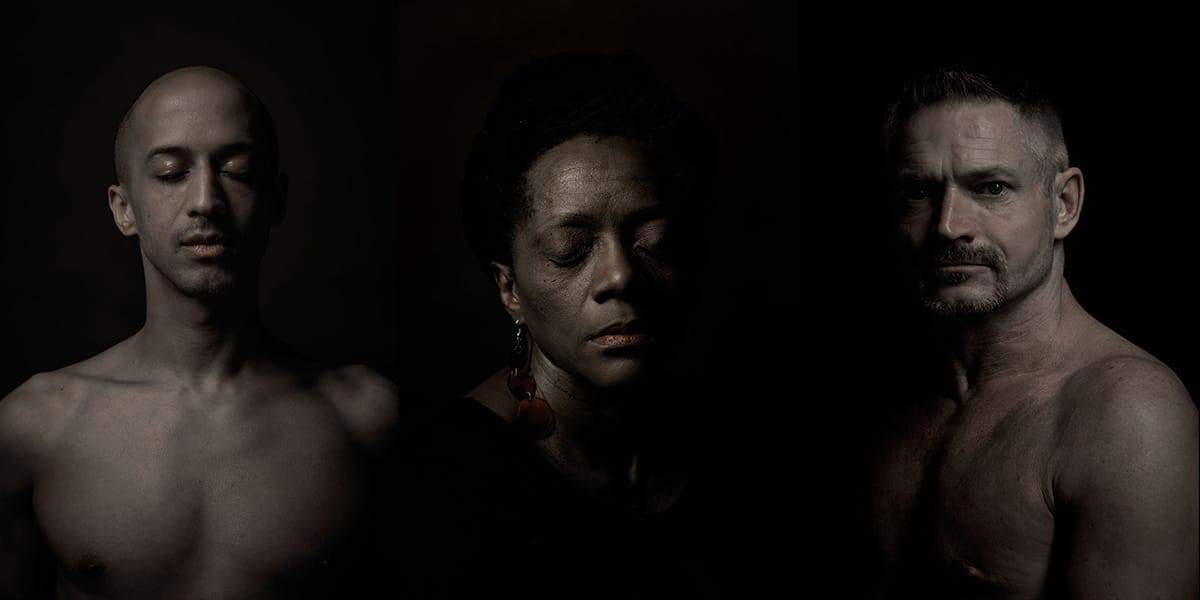
- •Features 16 chiaroscuro portraits of decades‑long HIV survivors.
- •National HIV Story Trust pairs photos with interview excerpts from its archive.
- •Free admission encourages public engagement with AIDS history and resilience.
- •Project funded by National Lottery Heritage Fund to preserve cultural memory.
Pulse Analysis
The Fitzrovia Chapel, the sole surviving structure of the former Middlesex Hospital, carries a unique legacy: in 1987 Princess Diana inaugurated the nation’s first wards dedicated to HIV and AIDS care. By situating "Survivors" within its Byzantine‑inspired interior, the exhibition taps into that layered history, offering visitors a contemplative space where architecture and narrative intersect. This setting transforms a simple gallery showing into a living memorial, reminding audiences that the fight against HIV has deep roots in Britain’s medical and cultural fabric.
Danielle van Zedelhoff’s photographic approach draws on the chiaroscuro techniques of 17th‑century Old Masters, using stark light‑and‑shadow contrasts to reveal the "landscape of skin" and the inner lives of her subjects. Each of the sixteen portraits portrays individuals who have navigated the epidemic for decades, embodying a spectrum that defies simple triumph or tragedy. By integrating excerpts from the National HIV Story Trust’s filmed interviews, the images gain an audible dimension, allowing viewers to hear the voices behind the faces and deepening the emotional resonance of the visual narrative.
Beyond its aesthetic impact, the project serves a critical archival purpose. The National HIV Story Trust, supported by the National Lottery Heritage Fund, is racing against time to preserve testimonies from a generation now entering its senior years. "Survivors" amplifies this mission, turning private recollections into public education that underscores ongoing HIV stigma, advances in treatment, and the importance of community resilience. For policymakers, health professionals, and cultural institutions, the exhibition offers a compelling reminder that preserving personal histories is essential to shaping informed, compassionate responses to current and future public‑health challenges.
Survivors: Portraits of Resilience Personal Accounts of the AIDS Crisis
Comments
Want to join the conversation?