Syrian Artist Sara Shamma Uses Venice Biennale to Map Post‑War Reconstruction

Why It Matters
The Syrian pavilion’s focus on a single, living artist signals a broader trend of nations using flagship cultural events to articulate post‑conflict narratives. By embedding reconstruction ideas within an artistic framework, Shamma’s work challenges traditional separations between heritage preservation and urban planning, suggesting that creative practice can serve as a catalyst for policy dialogue. Moreover, the project highlights how international art fairs can become platforms for diplomatic soft power, allowing countries emerging from turmoil to reshape global perceptions through curated cultural statements. For the art world, Shamma’s Biennale entry raises questions about the responsibilities of artists representing nations in transition. It prompts curators, funders and institutions to consider how exhibitions can move beyond representation to active participation in rebuilding processes, potentially redefining the social contract between art and society in post‑war contexts.
Key Takeaways
- •Sara Shamma is the sole artist representing Syria at the 2026 Venice Biennale.
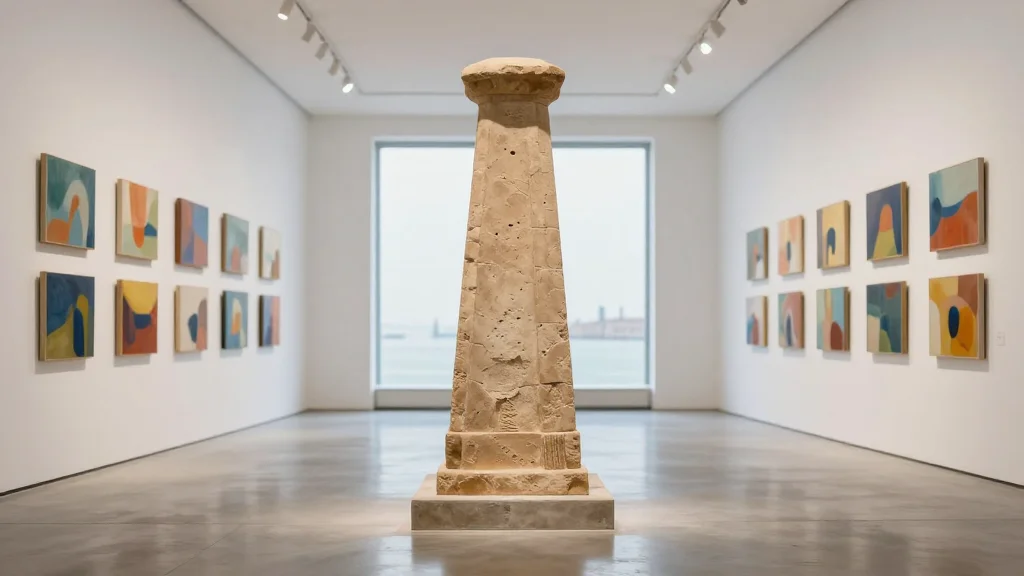
- •The installation "The Tower Tomb of Palmyra" features 18 new paintings and a recreated funerary tower.
- •The project was curated by Yuko Hasegawa and commissioned by Syria’s Ministry of Culture.
- •Shamma returned to Syria in September 2024 after eight years abroad, witnessing the fall of the Assad regime.
- •The work aims to link artistic memory with concrete ideas for national reconstruction.
Pulse Analysis
Sara Shamma’s Venice Biennale debut illustrates a growing convergence of art and nation‑building, a pattern that has accelerated since the Arab Spring. Historically, national pavilions have served as diplomatic showcases, but the Syrian case pushes the model further by embedding a reconstruction agenda within the artwork itself. This blurs the line between cultural diplomacy and policy advocacy, positioning the artist as both creator and informal strategist.
The decision to center the Syrian pavilion on a single, living artist also reflects a strategic pivot away from the traditional collective showcase of historical artifacts toward a forward‑looking narrative. By commissioning an immersive environment that references destroyed heritage while proposing a speculative future, the Ministry of Culture signals a willingness to harness contemporary art’s emotive power to rally both domestic and international support. This approach could inspire other post‑conflict nations to adopt similar models, leveraging high‑visibility art events to attract funding, expertise, and public goodwill for reconstruction projects.
However, the model is not without risk. The elevation of a singular artistic vision may marginalize other voices within Syria’s diverse artistic community, and the symbolic nature of the installation could be critiqued as performative if not paired with tangible rebuilding initiatives. The upcoming workshops and collaborations that Shamma proposes will be a litmus test for whether the Biennale’s artistic statements can translate into actionable policy. If successful, this could herald a new paradigm where art institutions become integral partners in post‑war recovery, reshaping the role of cultural production in global development agendas.
Syrian Artist Sara Shamma Uses Venice Biennale to Map Post‑War Reconstruction
Comments
Want to join the conversation?
Loading comments...