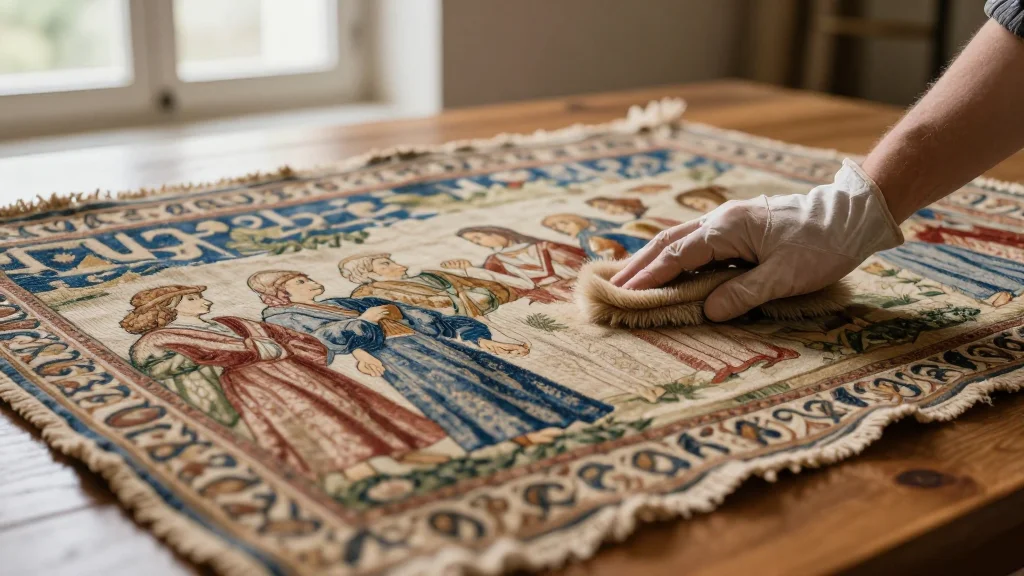
Tefaf Awards $27,000 Grant to Restore 500‑Year‑Old Medici Tapestry at Minneapolis Institute of Art

Companies Mentioned
Why It Matters
Preserving the Medici tapestry addresses a critical gap in the conservation of large, historic textiles, which are vulnerable to environmental fluctuations and limited exhibition opportunities. By securing dedicated funding, the Tefaf award not only safeguards a unique Renaissance artifact but also sets a precedent for future textile restorations, encouraging museums to seek similar grants. The project also reinforces the role of collaborative funding models—combining museum resources, specialized conservators, and philanthropic partners like Bank of America—to tackle complex preservation challenges. Successful restoration and public display can raise awareness of textile heritage, inspire new research, and attract further private and public investment in the field.
Key Takeaways
- •Tefaf Museum Restoration Fund grants €25,000 (~$27,000) to MIA for tapestry restoration
- •The 1540s Medici tapestry _The Meeting of Dante and Virgil_ measures 5.3 m × 4.7 m
- •First time Tefaf fund supports a tapestry project since its 2012 inception
- •Restoration to be performed by Midwest Art Conservation Center, focusing on cleaning, consolidation and reweaving
- •Tapestry will be exhibited at Minneapolis Institute of Art in summer 2026 after conservation
Pulse Analysis
The Tefaf award reflects a broader trend of targeted micro‑grants filling niche conservation needs that larger endowments often overlook. Textile works, especially tapestries of this scale, require highly specialized skills and equipment, making them expensive to treat. By earmarking a modest sum specifically for a tapestry, Tefaf demonstrates that strategic, project‑level funding can unlock expertise that might otherwise remain underutilized.
Historically, Renaissance tapestries have been under‑represented in American museum collections, partly due to their size and fragility. This restoration not only preserves a rare example of Medicean craftsmanship but also elevates the status of textile art within the museum sector. As institutions increasingly recognize the narrative power of decorative arts, we can expect more museums to pursue similar grants, leveraging the publicity of high‑profile restorations to attract donors.
Looking ahead, the success of this project could catalyze a ripple effect: other museums may lobby Tefaf and similar bodies for comparable support, while conservation schools might expand training programs focused on large‑scale textile preservation. The partnership with Bank of America underscores how corporate philanthropy can dovetail with sector‑specific funds, creating a sustainable pipeline for safeguarding heritage objects that are too delicate for regular exhibition but too significant to let deteriorate.
Tefaf Awards $27,000 Grant to Restore 500‑Year‑Old Medici Tapestry at Minneapolis Institute of Art
Comments
Want to join the conversation?
Loading comments...