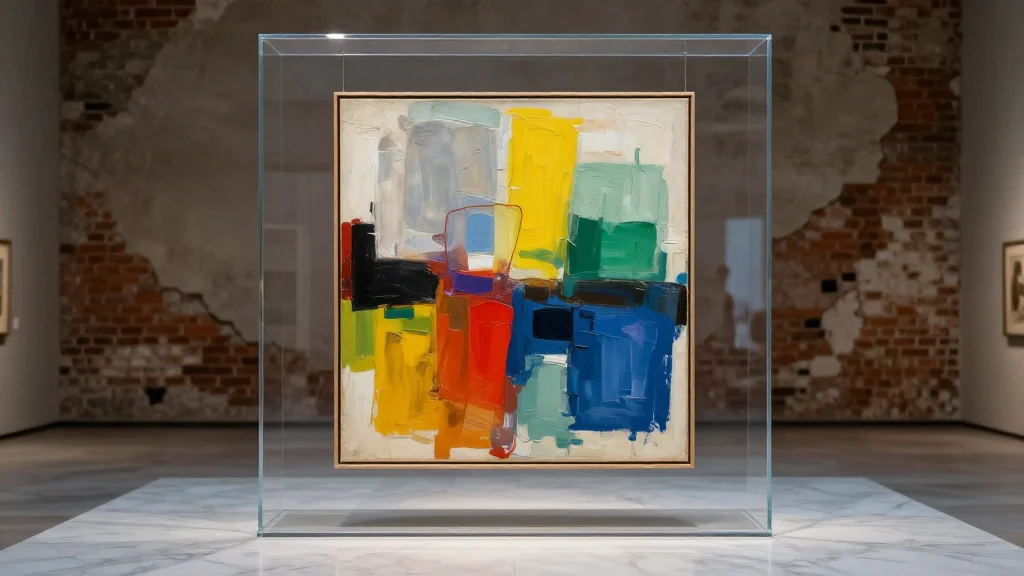
Tehran Museum Reopens, Launches ‘Art and War’ Programme Amid Conflict

Why It Matters
The museum’s reopening demonstrates that art institutions can survive—and even thrive—amid armed conflict, offering a template for cultural resilience. By curating a program that directly addresses war, TMoCA challenges the traditional separation between art and politics in Iran, potentially reshaping public discourse around recent events. Moreover, the visibility of Western masterpieces in Tehran reaffirms the city’s historic role as a bridge between East and West. The exhibition’s focus on conflict invites comparative scholarship, encouraging global audiences to consider how artistic responses to war transcend national boundaries and inform collective memory.
Key Takeaways
- •Tehran Museum of Contemporary Art reopened after weeks of bombardment
- •Launched rotating “Art and War” programme featuring Picasso, Pop artists, and upcoming Spanish works
- •Director Reza Dabirinezhad coordinated emergency protection of over 4,000 L of oil in Haraguchi’s installation
- •Museum’s collection includes ~60 Picasso pieces and works by Warhol, de Kooning, Pollock, Hockney, van Gogh, Renoir
- •Program aims to confront recent conflict, signaling a shift in Iran’s cultural policy
Pulse Analysis
TMoCA’s swift reopening underscores a growing recognition that cultural heritage can be a strategic asset in post‑conflict recovery. Historically, museums in war zones have either been shuttered indefinitely or repurposed for propaganda. Tehran’s decision to foreground conflict‑related art, rather than sidestep it, reflects a nuanced approach: using the universal language of modernism to process trauma while maintaining diplomatic openness to Western narratives.
From a market perspective, the museum’s renewed public profile may revive interest in Iran’s art market, which has been hampered by sanctions and limited international exposure. Collectors and institutions abroad are likely to monitor how TMoCA balances preservation with public engagement, potentially prompting new partnerships or loan agreements that could inject fresh capital into the region’s cultural sector.
Looking forward, the success of the “Art and War” programme could inspire similar initiatives across the Middle East, where museums are increasingly confronting contemporary histories. If TMoCA can sustain visitor numbers and secure funding for ongoing conservation—especially for complex installations like Haraguchi’s oil pool—it may set a precedent for integrating emergency response planning into museum operations worldwide.
Tehran Museum Reopens, Launches ‘Art and War’ Programme Amid Conflict
Comments
Want to join the conversation?
Loading comments...