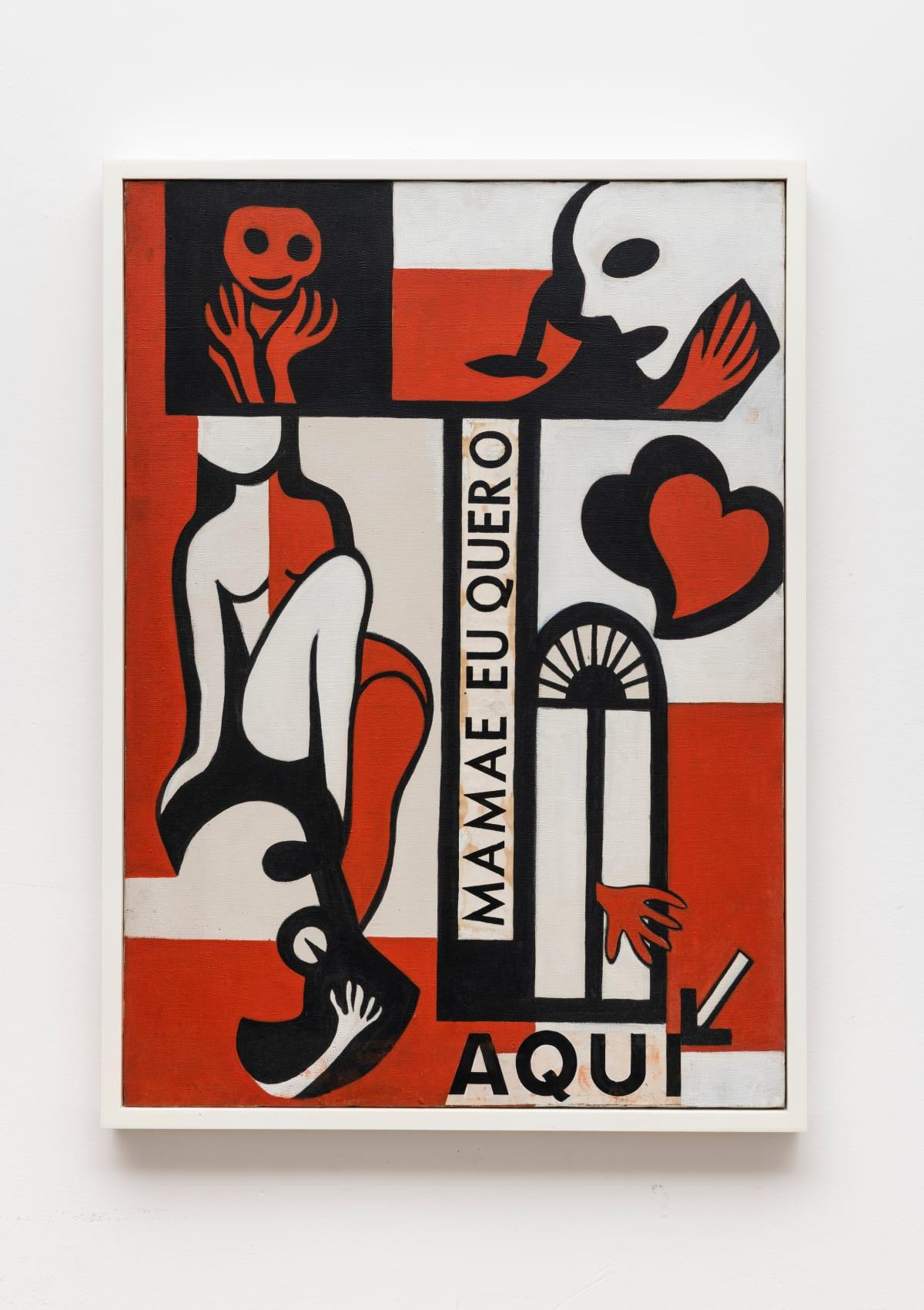
Teresinha Soares, Artist Who Brought Sex and Feminism to Pop Art, 1927–2026
Why It Matters
Soares’ fearless blend of eroticism and political critique broke censorship barriers, shaping Latin American feminist art and expanding the global narrative of Pop art.
Key Takeaways
- •Brazilian Pop artist merged sexuality with political critique
- •Created shaped wooden panels addressing Vietnam and oppression
- •Abruptly ceased art in 1976, reason remains unknown
- •International exhibitions revived her legacy after decades
- •Mother of contemporary Brazilian artist Valeria Soares
Pulse Analysis
Teresinha Soares emerged in the 1960s as a singular voice within Brazil’s turbulent political climate. While the military regime tightened control over cultural expression, Soares turned to Pop aesthetics to expose taboo subjects—breasts, genitals, and liberated female forms—forcing the press and public to confront entrenched sexual mores. Her education at the Universidad Mineira das Artes equipped her with technical skill, but it was her willingness to embed dissent within vibrant, commercial‑style imagery that set her apart from contemporaries, positioning her as a precursor to feminist Pop movements worldwide.
The artist’s most iconic series employed shaped wooden panels that mimicked film negatives, a visual strategy that linked personal intimacy with geopolitical conflict. Works such as *So Many Men Die and I Am Here So Lonely* juxtaposed ambiguous bodies in combat‑or‑coitus poses, commenting on the Vietnam War, American imperialism, and the brutal repression of Brazilian political prisoners. By integrating explicit sexual content with anti‑imperialist symbolism, Soares challenged both patriarchal and colonial narratives, offering a multidimensional critique that resonated with activists and avant‑garde circles alike. Her abrupt withdrawal from art in 1976 remains a mystery, adding an enigmatic layer to her already provocative oeuvre.
Decades later, major institutions have reclaimed Soares’ legacy, underscoring her relevance to contemporary discourse on gender, power, and visual culture. The 2015 Tate Modern exhibition and the 2018 Hammer Museum show re‑contextualized her work within global Pop art histories, while the 2019 São Paulo retrospective highlighted her influence on subsequent generations of Latin American women artists. As the mother of Valeria Soares, her artistic lineage continues, reinforcing the importance of intergenerational feminist perspectives in the art market and academic scholarship. Soares’ rediscovery affirms that confronting sexual and political taboos remains vital to cultural evolution.
Teresinha Soares, artist who brought sex and feminism to Pop art, 1927–2026
Comments
Want to join the conversation?
Loading comments...