Why It Matters
The survey demonstrates that feminist artistic agency is both historic and urgently relevant, influencing cultural policy and public discourse amid Poland’s reproductive debates and regional conflict.
Key Takeaways
- •200 works by 140 women span 1550‑2025
- •Curated by Alison M. Gingeras at Warsaw MoMA
- •Highlights ongoing threats to hard‑won feminist gains
- •Links historic art to Poland’s current reproductive protests
- •Features wartime pieces from Ukraine and WWII eras
Pulse Analysis
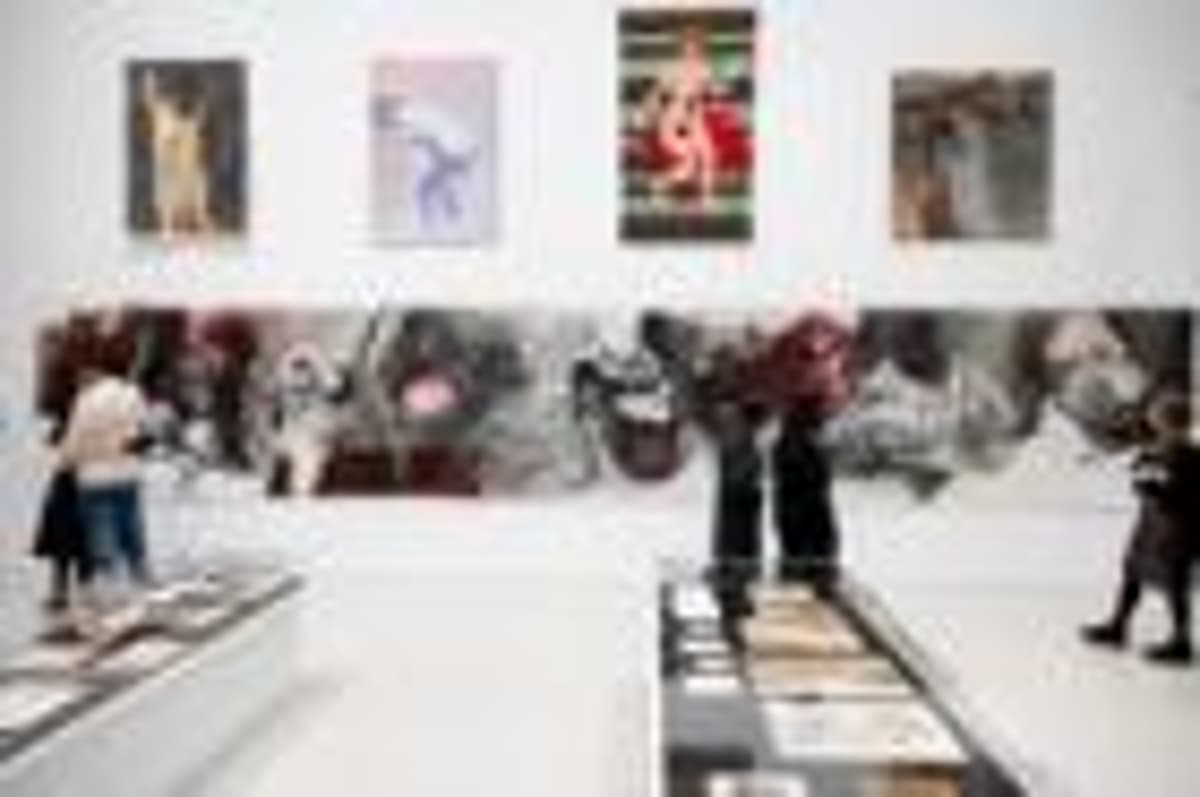
The Woman Question 1550‑2025 is a major survey at the Museum of Modern Art in Warsaw, curated by Alison M. Gingeras, presenting nearly 200 pieces by roughly 140 women artists from the Renaissance to today. By juxtaposing canonical figures like Artemisia Gentileschi with contemporary Ukrainian voices, the show maps five centuries of feminist visual practice. Its ambitious timeline underscores how women have continuously negotiated the male‑dominated art world, while the exhibition’s high production values and immersive design invite visitors to experience this history as a living dialogue.
The curatorial narrative is organized into thematic rooms—“Femmes Fortes,” “Palettes and Power,” “Surrealist Self,” and “Wartime Women”—each linking artistic technique to political agency. Early self‑portraits by Sofonisba Anguissola and Marie‑Guillemine Benoist demonstrate that women claimed studio authority long before formal academy admission. Later sections foreground bodies as sites of resistance, from Miriam Cahn’s confrontational 2024 canvas to Sana Shahmuradova Tanska’s war‑scarred Kyiv portrait. By integrating folk‑art figures like Felicja Curyło alongside avant‑garde sculptors, the exhibition redefines the canon and amplifies voices traditionally relegated to ethnographic contexts.
The timing of the show is striking, arriving as Poland grapples with near‑total abortion bans and the shadow of the Ukraine conflict. Installations such as the replica obstetrical mannequin and Ewa Kuryluk’s “Abortion on TV and Live” directly reference current reproductive struggles, while wartime works remind audiences of the gendered toll of conflict. By situating historic feminist victories within present‑day battles, the exhibition positions the museum as an activist space, urging policymakers and the public to safeguard hard‑won rights and envision a more equitable cultural future.
The Big Review | The Woman Question 1550-2025 ★★★★½
0
Comments
Want to join the conversation?
Loading comments...