‘The Content, Material and Form Support Each Other’: Sandy Rodriguez on Her Hispanic Society Museum Show
Why It Matters
By fusing Indigenous papermaking with modern cartographic critique, Rodriguez reframes historical narratives of colonisation and state power for a U.S. audience, highlighting ongoing struggles for racial and environmental justice.
Key Takeaways
- •Rodriguez’s maps blend US police with mythic sea creatures
- •Exhibit pairs contemporary maps with 1584 Caxcan codex
- •Amate paper’s bark fibers give maps a living, absorbent surface
- •Rodriguez spent a decade mastering Indigenous papermaking techniques
Pulse Analysis
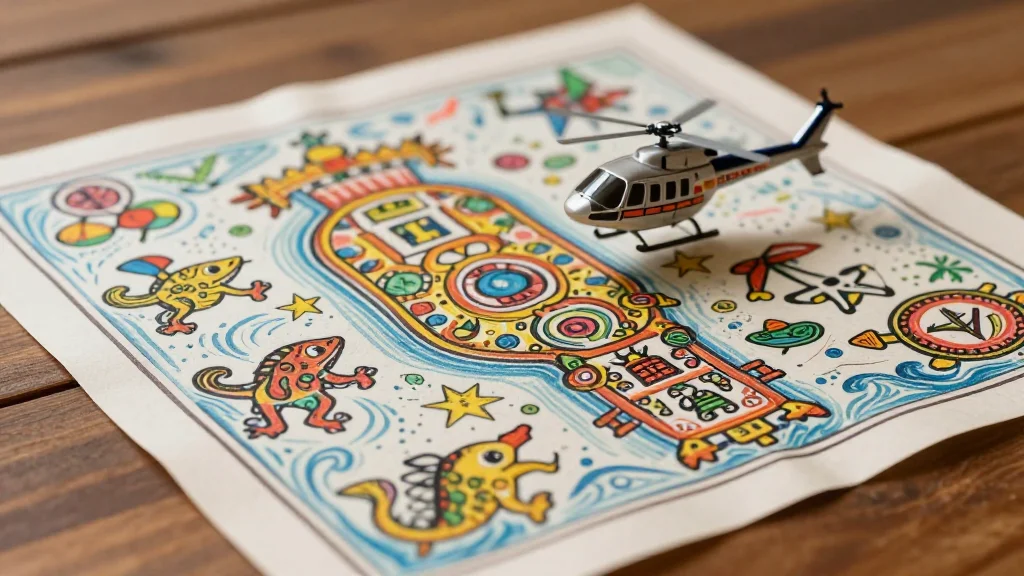
The Hispanic Society Museum’s Tierra Insurgente exhibition showcases Sandy Rodriguez’s ambitious cartographic works that act as visual protest. By rendering U.S. riot police, surveillance helicopters, and 2020 protest responses alongside mythic sea monsters, the artist creates a layered narrative that connects present‑day state violence to centuries‑old Mesoamerican uprisings. The juxtaposition with historic codices, including the 1584 Map of Tequaltiche, underscores how maps have long been tools of both domination and resistance, prompting visitors to reconsider familiar geographic representations.
Central to Rodriguez’s practice is the use of amate paper, a bark‑derived medium once outlawed by Spanish colonizers. The artist sources fibers from wild fig, jonote, and agave, then subjects them to an alkaline bath and hand‑beating, producing a textured surface that absorbs watercolour in unpredictable ways. This tactile quality prevents erasure, mirroring the resilience of Indigenous knowledge systems. By grinding her own minerals and employing pigments like cochineal—a red dye that reshaped global art markets—Rodriguez embeds regional colour vocabularies directly into the maps, granting them a physical authenticity that digital media cannot replicate.
Beyond aesthetic innovation, the show signals a broader shift in contemporary art toward decolonizing visual storytelling. Rodriguez’s decade‑long immersion in papermaking, combined with her background in museum conservation, equips her to bridge scholarly research and activist expression. As museums grapple with repatriation and representation, Tierra Insurgente offers a model for integrating Indigenous materials and narratives into mainstream institutions, inviting audiences to engage with a living history of resistance that spans from pre‑colonial codices to today’s social movements.
‘The content, material and form support each other’: Sandy Rodriguez on her Hispanic Society Museum show
Comments
Want to join the conversation?
Loading comments...