Why It Matters
The show repositions Klee’s late oeuvre as a critical bridge between European modernism and post‑war American abstraction, influencing both scholarly discourse and market valuations. It underscores New York museums’ role in redefining canonical narratives for contemporary audiences.
Key Takeaways
- •First U.S. museum show centered on Klee's late 1930s paintings
- •Late works are larger, bolder, reflecting illness and artistic shift
- •Exhibition revives interest in Klee's final creative period
- •Includes pieces previously shown at MoMA’s 1987 retrospective
- •Highlights Klee’s influence on abstract expressionism and contemporary art
Pulse Analysis
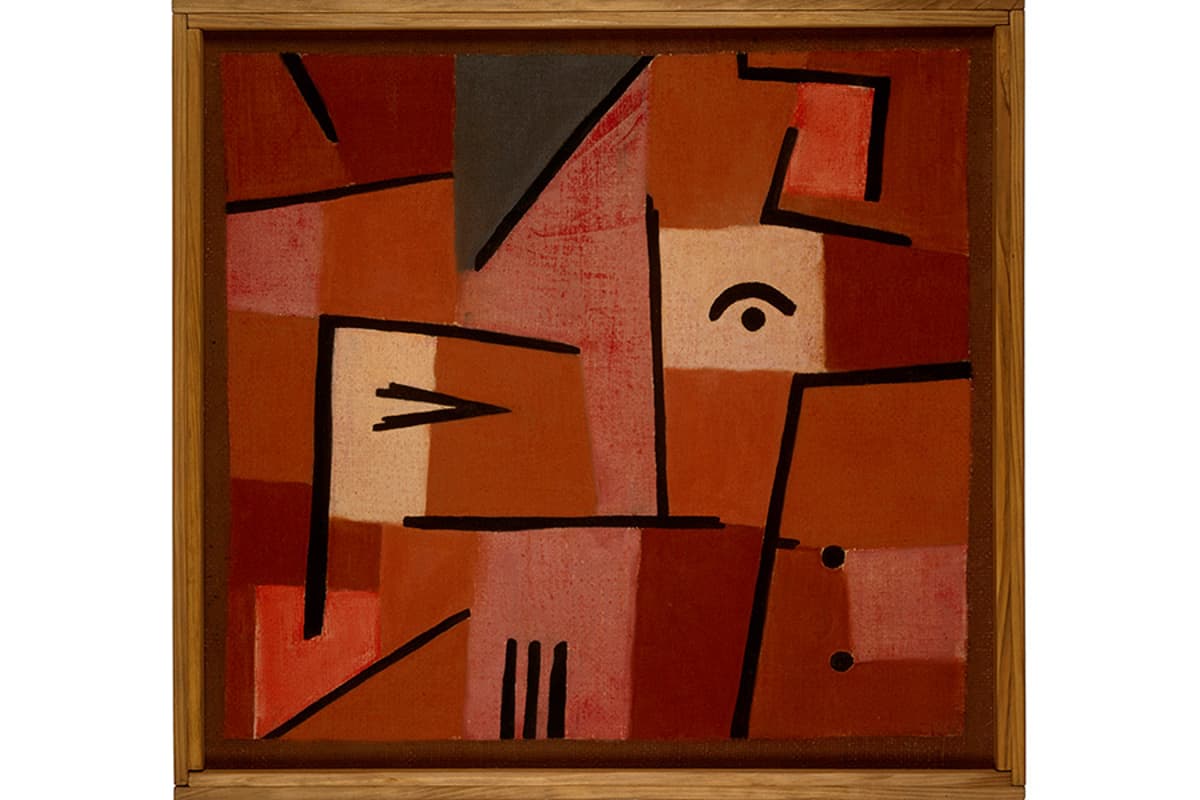
Paul Klee’s reputation has long rested on the delicate, whimsical canvases he produced in the 1920s, yet his final decade remains under‑explored in the United States. The Jewish Museum’s “Paul Klee: Other Possible Worlds” marks the first major New York survey in decades and the inaugural U.S. exhibition devoted primarily to his late 1930s output. Curated from the artist’s Swiss period, the show assembles works that were largely absent from American galleries, offering visitors a rare glimpse into a phase where Klee confronted mortality with a bold visual language.
The late paintings differ markedly from Klee’s earlier miniatures. Larger in scale and executed with a more forceful brushstroke, they convey a sense of urgency born from his battle with scleroderma, a disease that would claim his life in 1940. Critics note a shift from the ethereal, park‑like realms of his youth to more compact, punchy compositions that still retain his signature abstract symbolism. This transformation not only enriches our understanding of Klee’s personal narrative but also foreshadows the gestural intensity later embraced by abstract expressionists.
From a market perspective, the exhibition could stimulate renewed demand for Klee’s late period works, which have historically fetched lower prices than his iconic early pieces. Museums and collectors alike are increasingly valuing the narrative depth that these paintings provide, positioning them as pivotal links between European modernism and post‑war American art. By spotlighting this overlooked chapter, the Jewish Museum not only diversifies its programming but also reinforces New York’s role as a hub for re‑evaluating canonical artists, a trend likely to influence future curatorial agendas.
The Fairy-Tale Hour
Comments
Want to join the conversation?
Loading comments...