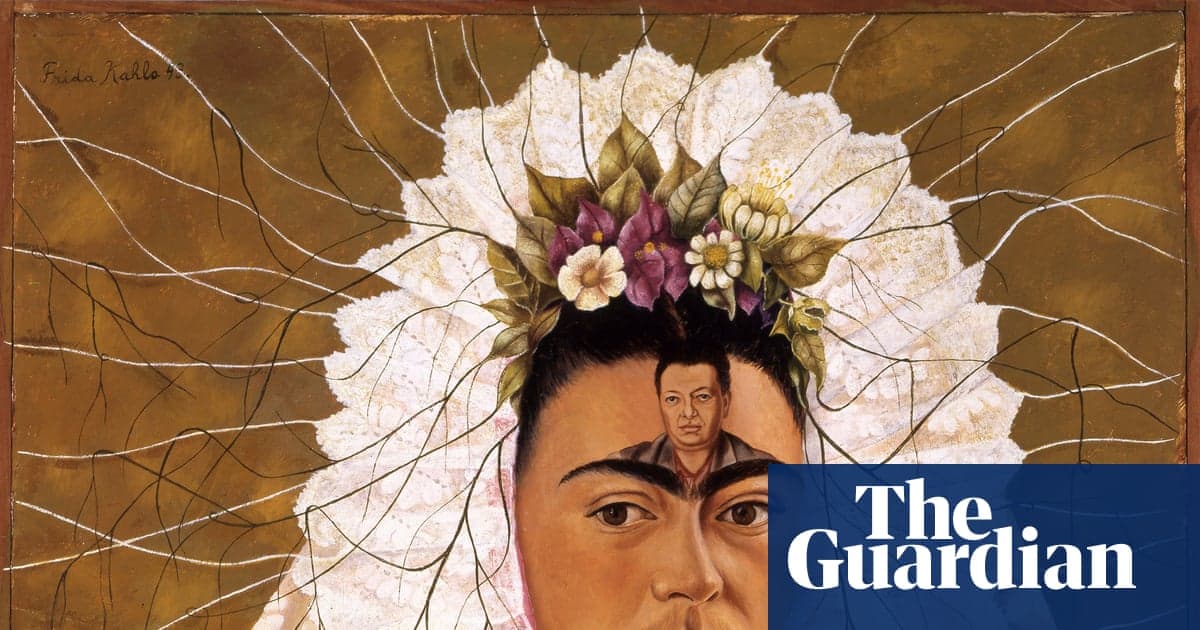
The Fight To Keep A Collection Of Landmark Art From Leaving Mexico And Going To Spain
Companies Mentioned
Why It Matters
The outcome will determine whether Mexico can safeguard its iconic cultural assets or risk losing them to foreign institutions, influencing future art‑export policies worldwide.
Key Takeaways
- •Landmark Mexican art faces export to Spain via Santander deal
- •Frida Kahlo and Diego Rivera pieces included in contested loan
- •Mexican officials claim loan is temporary, but critics demand retention
- •Potential loss threatens national cultural heritage and tourism revenue
- •Legal battle may set precedent for future art export controls
Pulse Analysis
Mexico’s 20th‑century art trove, often hailed as a visual chronicle of the nation’s revolutionary spirit, includes iconic canvases by Frida Kahlo, Diego Rivera, and their contemporaries. The collection, assembled over decades by private patrons and museums, has become a symbol of Mexico’s cultural renaissance, drawing scholars and tourists alike. Its potential relocation to Spain not only threatens the physical presence of these works but also challenges the narrative of Mexican artistic sovereignty that has been cultivated since the post‑revolutionary era.
The deal, brokered with Spain’s Banco Santander, frames the transfer as a temporary loan, yet the language of the agreement raises red flags for heritage advocates. Critics argue that “temporary” often becomes de‑facto permanent when institutions abroad acquire exhibition rights, insurance, and conservation responsibilities. The Mexican government’s ambiguous stance—neither outright blocking nor fully endorsing the move—has fueled protests, petitions, and calls for stricter export legislation. Stakeholders worry that once the pieces leave Mexican soil, repatriation will be legally and logistically arduous, eroding public trust in cultural stewardship.
If the loan proceeds, it could set a watershed precedent for how nations negotiate the global circulation of high‑value art. A successful export may embolden other private collectors to seek lucrative foreign arrangements, potentially draining cultural capital from emerging markets. Conversely, a robust legal challenge could reinforce protective frameworks, prompting revisions to Mexico’s heritage laws and inspiring similar safeguards worldwide. The dispute underscores the delicate balance between cultural diplomacy, market forces, and the imperative to preserve national identity through art.
The Fight To Keep A Collection Of Landmark Art From Leaving Mexico And Going To Spain
Comments
Want to join the conversation?
Loading comments...