Why It Matters
The project demonstrates how anonymous street art can reshape public perception of urban spaces, turning ordinary parks into sites of mythic intrigue and community conversation.
Key Takeaways
- •Anonymous artist created “The Hiding Man” across Griffith Park
- •Signs use broken English, mimicking official warnings
- •Artwork appears in Silver Lake, Los Feliz, Atwater, Highland Park
- •Local businesses reference the figure, boosting cultural cachet
- •The project blurs line between street art and urban myth
Pulse Analysis
Guerrilla art has a storied lineage in Los Angeles, where anonymity and spontaneity often intersect with the city’s sprawling public realms. From the murals of the 1970s to today’s pop‑up installations, artists exploit the lack of formal oversight to embed commentary directly into sidewalks, walls, and park benches. This underground tradition thrives on the tension between official city signage and the subversive messages that pop up in its shadow, inviting passersby to question who controls visual narratives in shared spaces.
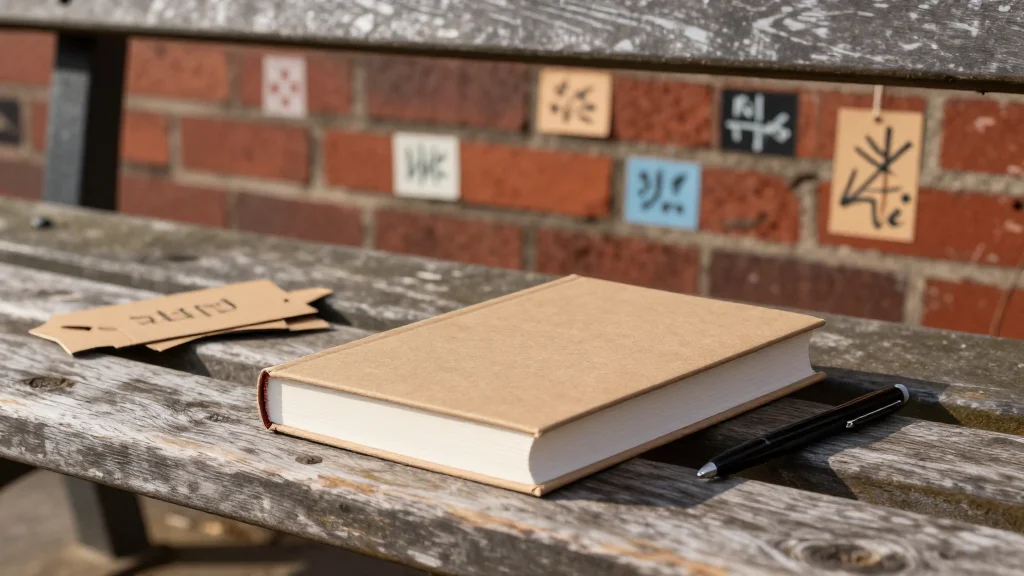
The Hiding Man exemplifies that dynamic, turning Griffith Park into a canvas for a phantom figure described as a burn‑victim with Picasso‑esque cheekbones. Hand‑painted signs litter the Eastside, each rendered in broken English that mimics municipal warnings—"A HIDEN MAN DO WATCH YOU" and "HE TAKE PICTURES A HIDING MAN WILL GRAB YOU." The cryptic language and eerie imagery have sparked a grassroots folklore, with locals sharing photos, mapping sign locations, and even replicating the motif in bars like the Vandell. By weaving a myth through everyday signage, the artist blurs the line between public safety notices and performance art, turning routine walks into a scavenger hunt for the uncanny.
Beyond its novelty, the phenomenon raises questions about the role of unsanctioned art in city branding and civic engagement. While some residents appreciate the playful disruption, others worry about potential confusion or liability. Municipal agencies may need to balance enforcement with the cultural value such installations provide, especially as they attract tourists seeking the "hidden" side of Los Angeles. As urban mythmaking gains traction, cities could consider formal channels for collaborative, temporary art that respects both creative freedom and public safety, turning guerrilla projects into assets rather than liabilities.
The Hiding Man of Griffith Park
Comments
Want to join the conversation?
Loading comments...