Key Takeaways
- •MoMA’s Duchamp retrospective features 80+ works, including "Fountain"
- •First‑two‑week attendance exceeds 120,000, boosting museum revenue
- •Duchamp’s idea‑centric approach underpins modern art‑tech collaborations
- •Retrospective sparks renewed market interest in early 20th‑century art
Pulse Analysis
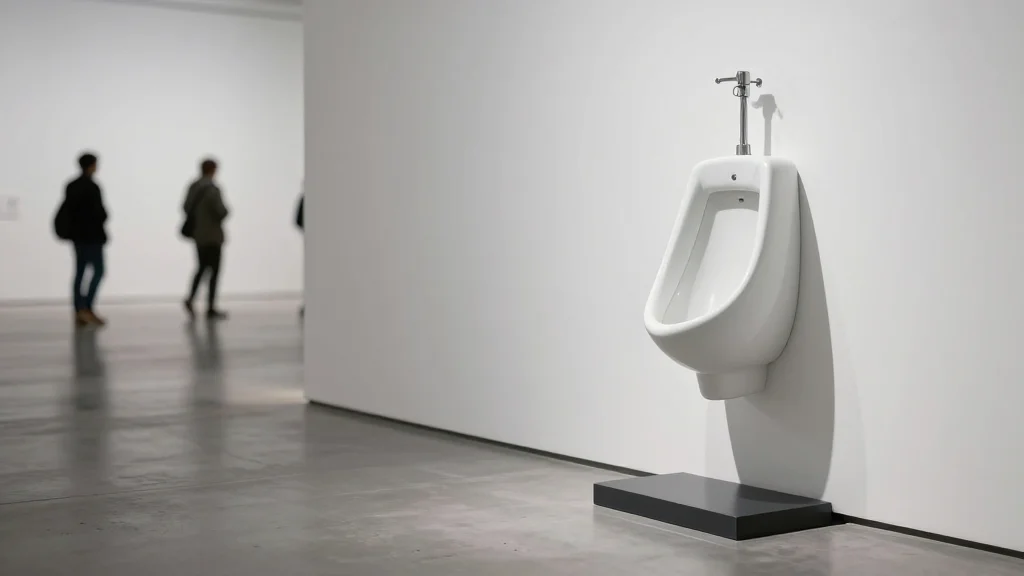
Marcel Duchamp’s new MoMA retrospective marks a rare deep dive into the artist who turned everyday objects into high concept statements. By assembling more than 80 pieces—from the infamous urinal to his later kinetic experiments—the museum offers scholars and casual visitors a chronological narrative of how Duchamp dismantled traditional aesthetics. Curators frame his work as the genesis of conceptual art, a lineage that now informs everything from installation pieces to algorithmic generative art, reinforcing his relevance beyond the museum walls.
The exhibition’s immediate impact is measurable: over 120,000 guests have walked through the galleries in the first fourteen days, translating into a significant uptick in ticket sales, merchandise, and ancillary spending at MoMA’s cafés and gift shops. Industry analysts note that such attendance spikes are rare for retrospectives focused on early modernists, suggesting that Duchamp’s story resonates with a generation accustomed to digital remix culture. The show also fuels discussions about how museums can leverage iconic artists to attract younger, tech‑savvy audiences, positioning cultural institutions as hubs for interdisciplinary innovation.
Beyond foot traffic, the retrospective reverberates through the art market and the broader creative economy. Auction houses report heightened interest in Dada‑era works, with recent sales of Duchamp‑related pieces fetching premiums above historical averages. Meanwhile, tech firms and NFT platforms cite Duchamp’s readymade philosophy as a conceptual backbone for new forms of digital ownership. As museums continue to explore hybrid experiences, MoMA’s Duchamp showcase serves as a blueprint for marrying historical significance with contemporary commercial viability.
The High Priest of High Concept
Comments
Want to join the conversation?