The Ignorant Art Historian: View of Notre Dame
Why It Matters
By demystifying visual analysis, Foster’s series expands the market for art commentary and educates non‑specialists, potentially reshaping how museums and galleries engage the public.
Key Takeaways
- •Hal Foster aims to democratize art viewing through “Ignorant Art Historian”.
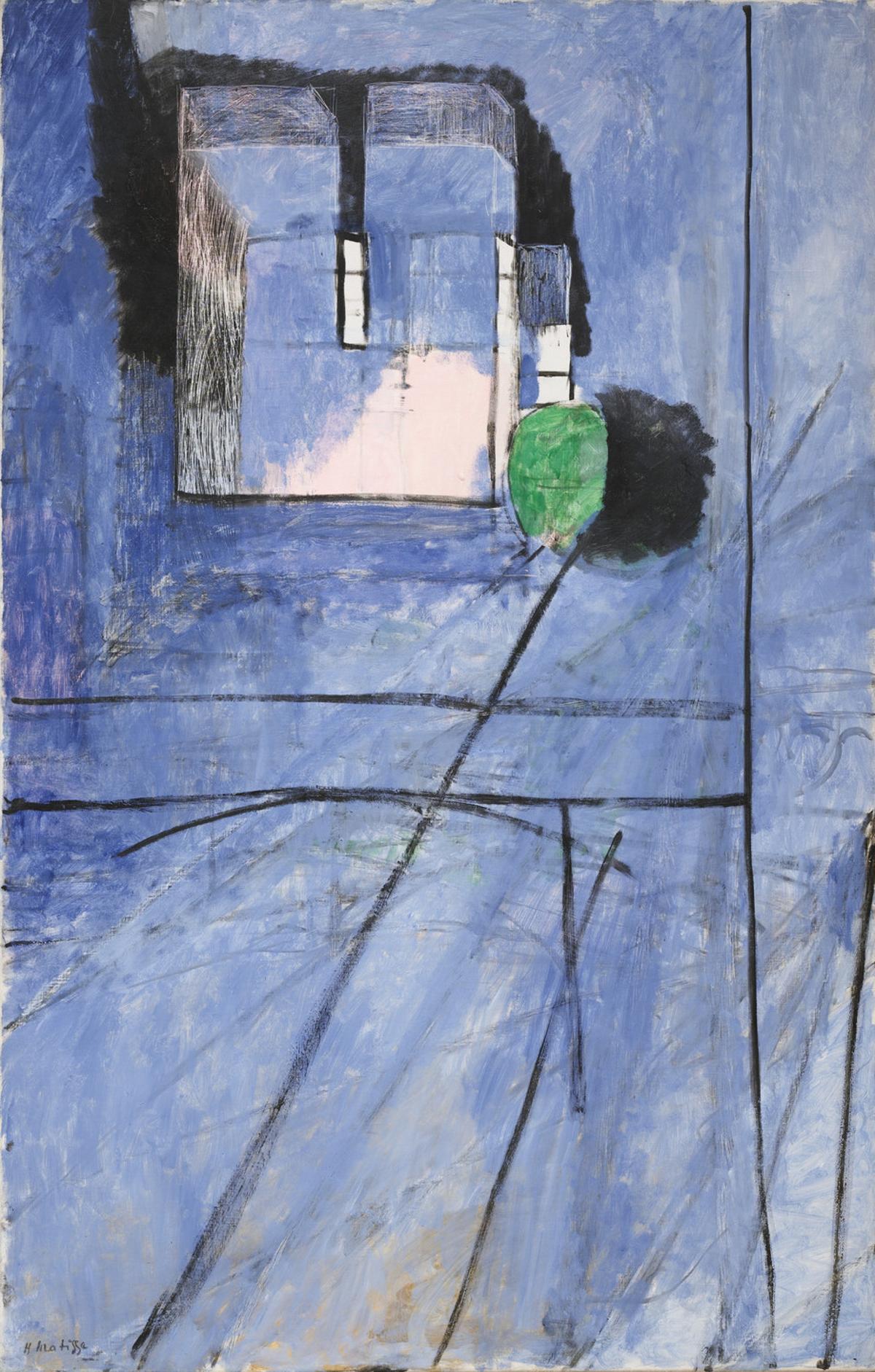
- •Matisse’s 1914 “View of Notre Dame” blends abstraction with architecture.
- •Painting’s blue field and black lines suggest Seine, bridge, and cathedral towers.
- •Interpretation links studio view, left-bank perspective, and symbolic color use.
- •Series launches weekly in May, inviting non‑experts to engage.
Pulse Analysis
Hal Foster, a Princeton professor and veteran critic, launched "The Ignorant Art Historian" to challenge the notion that art analysis requires elite training. By framing interpretation as a playful, guess‑work exercise, he invites readers from any background to engage with visual culture. This approach aligns with a growing trend in museums toward inclusive programming, where visitor‑generated insights complement scholarly narratives, thereby broadening audience reach and fostering deeper emotional connections to artworks.
Matisse’s "View of Notre Dame," painted in the early months of World War I, exemplifies the tension between abstraction and representation that defined his later Fauvist period. The canvas is washed in a muted blue, intersected by stark black lines that evoke the Seine’s quays, a bridge arch, and the cathedral’s twin towers. Scholars have long debated whether the work depicts an external Parisian scene or an interior studio window, a duality Foster highlights to illustrate how signs can simultaneously reference multiple realities. The subtle green blot hints at foliage, while scratched white areas suggest light filtering through glass, reinforcing the painting’s layered ambiguity.
The series’ weekly rollout in May positions it as a serial educational tool, encouraging sustained dialogue among art lovers, collectors, and educators. By normalizing non‑expert commentary, Foster may influence how auction houses present provenance, how galleries craft interpretive labels, and how online platforms curate user‑generated content. As the art market increasingly values narrative and experience, such democratized criticism could become a differentiator, driving engagement and potentially expanding the buyer base for works that, like Matisse’s, straddle the line between visual puzzle and historical artifact.
The Ignorant Art Historian: View of Notre Dame
Comments
Want to join the conversation?
Loading comments...