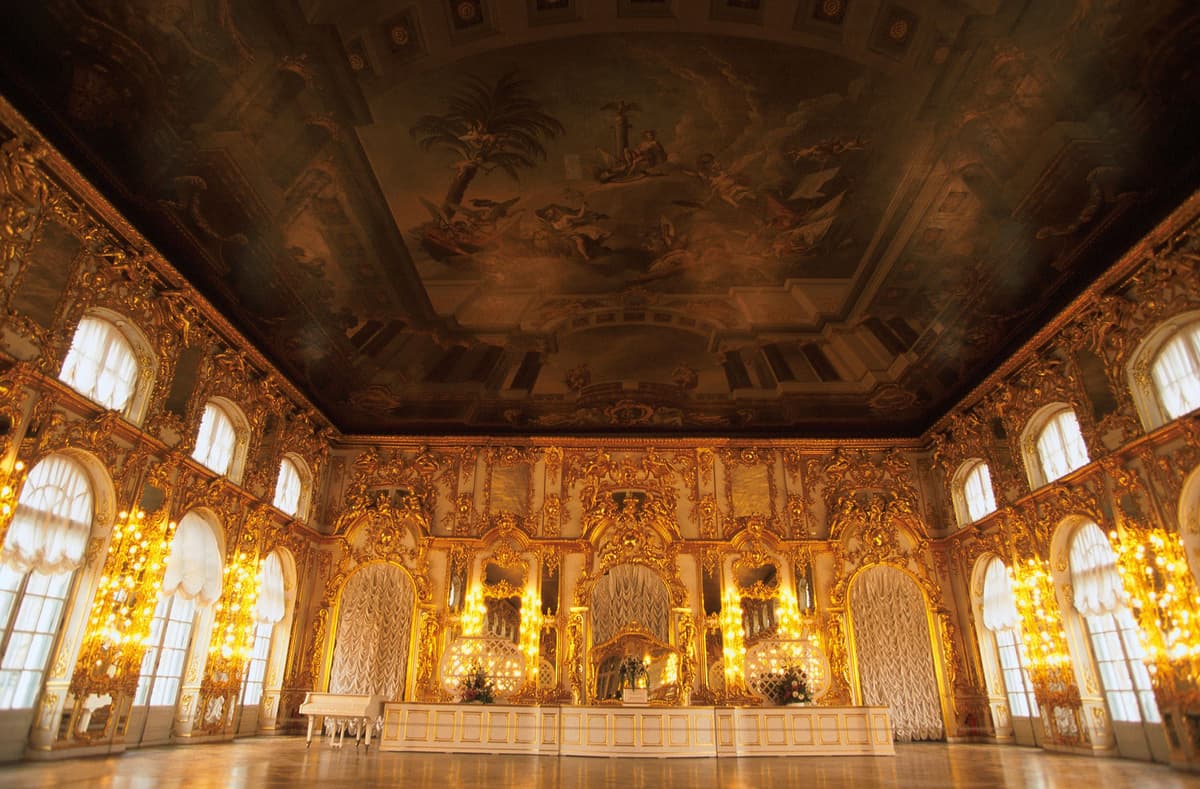
The Nazis Stole and Hid the ‘Eighth Wonder of the World.’ 80 Years Later, Treasure Hunters Still Can’t Find It
Why It Matters
The disappearance of the Amber Room highlights the enduring cultural and financial impact of WWII art plunder, influencing modern restitution efforts and heritage protection policies.
Key Takeaways
- •Amber Room valued at roughly $504 million, 600 sq ft.
- •Nazis stole it in 1941, moved to Königsberg Castle.
- •1945 Soviet assault likely destroyed the room.
- •Up to 20 % of European art looted by Nazis.
- •Searches persist, but evidence points to wartime loss.
Pulse Analysis
The Amber Room was more than a decorative panel; it was a full‑scale interior masterpiece commissioned by Prussian royalty in 1712 and later gifted to the Russian Empire as a diplomatic token. Constructed from over 100 tons of amber, gold leaf, and precious gemstones, the 600‑square‑foot space earned the nickname “Eighth Wonder of the World.” Its artistic ambition rivaled the opulence of Versailles, and modern appraisals place its market value at roughly $504 million. Today, the room symbolizes the intersection of art, politics, and wealth in early modern Europe.
In October 1941, Nazi units seized the Amber Room during a 36‑hour dismantling operation and transported it to Königsberg Castle, a strategic stronghold in East Prussia. As the Red Army closed in, the castle endured relentless bombardment and a ferocious four‑day battle in April 1945. Recent scholarship, bolstered by Soviet archival testimony, indicates that undisciplined Soviet soldiers set fire to the building, inadvertently incinerating the fragile amber panels. While rumors of secret smuggling aboard the torpedoed Wilhelm Gustloff persist, the weight of documentary evidence now leans heavily toward wartime destruction.
The Amber Room’s fate underscores the lasting repercussions of World War II cultural plunder, which the U.S. National Archives estimates affected up to 20 % of Europe’s art heritage. Its loss fuels contemporary restitution debates, prompting governments and museums to tighten provenance research and adopt stricter acquisition standards. Moreover, the mystery has inspired a niche market for “lost‑art” investigations, blending historical scholarship with forensic technology. As nations grapple with returning looted masterpieces, the Amber Room remains a cautionary tale: the irreversible damage that conflict can inflict on humanity’s shared cultural legacy.
The Nazis Stole and Hid the ‘Eighth Wonder of the World.’ 80 Years Later, Treasure Hunters Still Can’t Find It
Comments
Want to join the conversation?
Loading comments...