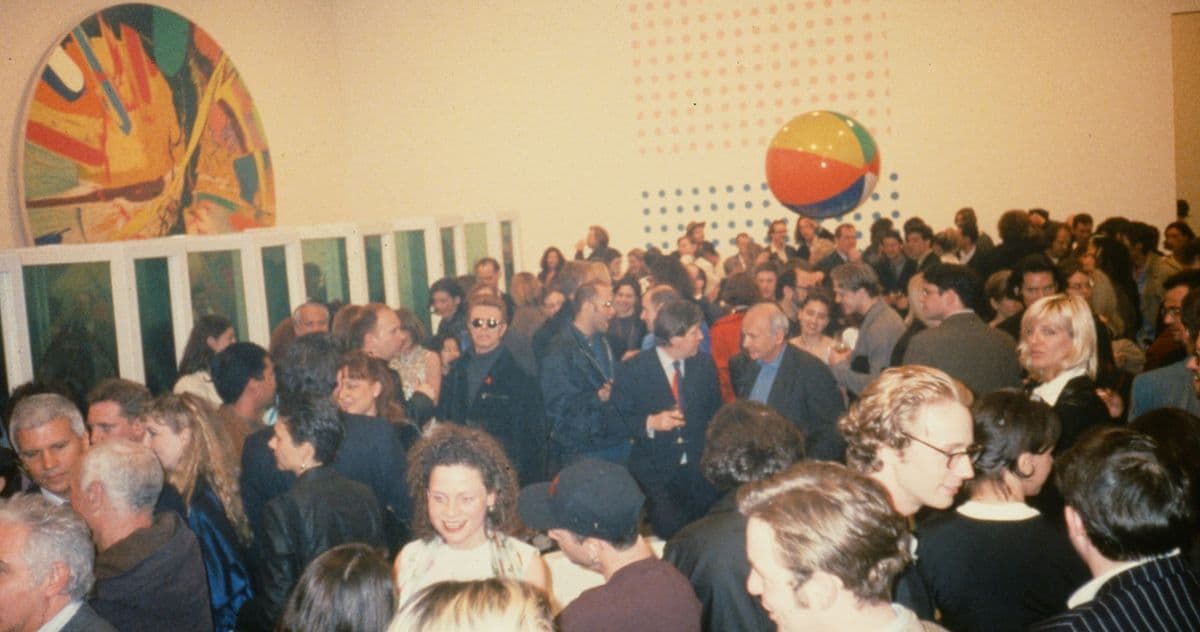
The New York Art Critic Jerry Saltz Recently Unearthed 40,000 Slides: Here’s What the Art World of the 1990s Looked Like
Why It Matters
The slide archive offers unprecedented visual evidence of a market‑driven upheaval that reshaped contemporary art, informing collectors, historians, and investors about the forces that still influence today’s art economy.
Key Takeaways
- •40,000 slides reveal hidden details of 1990s New York art scene
- •Kiefer’s 1993 funeral pyre marked a symbolic end of an era
- •Market recession forced galleries to close and democratized opportunities
- •Emerging dealers embraced risk, fostering diverse artistic experimentation
Pulse Analysis
The 1990s marked a turning point for the New York art market, as a sudden recession eroded the dominance of established, often white‑male, artists. Auction prices fell, and high‑profile galleries like Marian Goodman faced unprecedented pressure. This contraction created a vacuum that allowed previously marginalized voices to gain visibility, a shift captured in Jerry Saltz’s newly released slide archive. By visualizing exhibition layouts, dealer meetings, and performance pieces, the slides provide scholars with granular data to reassess how economic forces can accelerate cultural diversification.
Beyond the financial fallout, the era’s artistic experimentation reflected broader societal changes. The 1993 Kiefer funeral pyre, staged amid white sand and theatrical performers, symbolized the death of the 1980s excess and the birth of a more experimental, interdisciplinary practice. Younger dealers, desperate to stay afloat, began championing multimedia installations, street art, and identity‑focused work. This willingness to risk unconventional projects laid groundwork for today’s market, where artists like Kehinde Wiley and Tschabalala Self command top auction prices.
For contemporary investors and collectors, the 1990s serve as a cautionary yet instructive case study. The slide collection underscores how market contractions can catalyze innovation, reshaping taste and value hierarchies. Understanding this dynamic helps predict future cycles: when economic headwinds emerge, the art world may again pivot toward under‑represented creators, offering fresh opportunities for both cultural impact and financial return.
The New York art critic Jerry Saltz recently unearthed 40,000 slides: Here’s what the art world of the 1990s looked like
Comments
Want to join the conversation?
Loading comments...