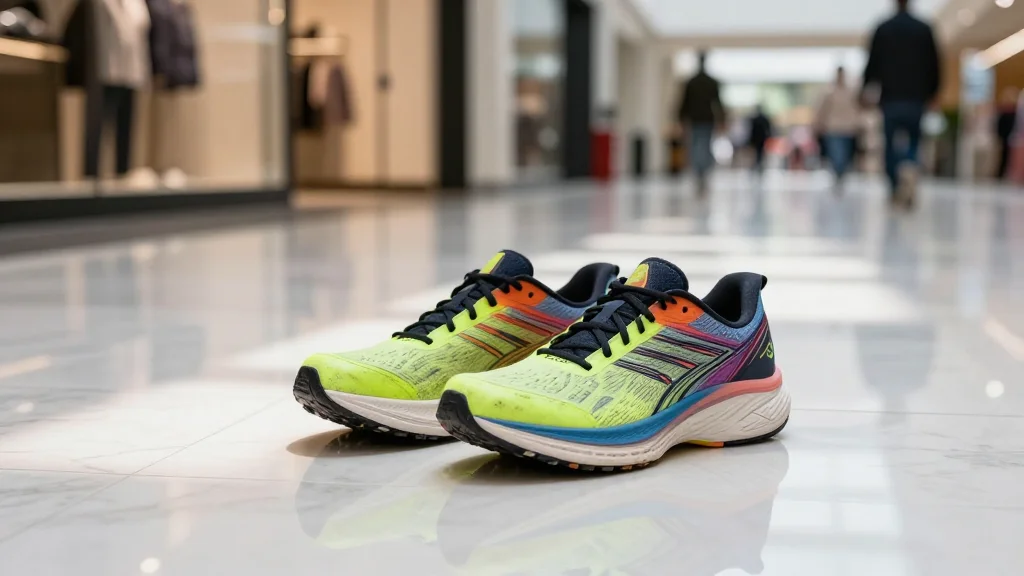
The Performance Art Mall Walkers Of (You Guessed It) Portland, Oregon
Companies Mentioned
Why It Matters
The initiative demonstrates how declining retail spaces can be reimagined as vibrant community health hubs, offering a scalable model for other malls facing closure. It also highlights the power of inclusive, creative programming to boost physical activity and social cohesion across generations.
Key Takeaways
- •50 participants walk 3.5 miles in neon workout gear.
- •Food Court 5000 blends exercise, performance art, and community building.
- •Lloyd Center mall slated to close in August 2026.
- •Group plans to relocate, keeping the tradition alive.
- •Intergenerational mix includes seniors, kids, and support workers.
Pulse Analysis
Across the United States, traditional shopping malls are grappling with vacancy rates and shifting consumer habits. Portland’s Lloyd Center, once a bustling retail hub, now hosts a largely empty storefront landscape, yet its food court remains a lively gathering spot. By converting a routine activity—mall walking—into a theatrical, costume‑filled event, Food Court 5000 injects cultural relevance into an otherwise underutilized space, illustrating how community‑driven programming can revitalize dormant commercial real estate.
The weekly walk, led by former burlesque performer Krista Catberry, emphasizes inclusivity and joy. Participants range from an 81‑year‑old senior to a nine‑year‑old doing cartwheels, all united by neon leggings, scrunchies, and a shared rhythm. Covering two loops of each floor for a total of 3.5 miles, the group delivers a genuine cardio workout while fostering social bonds reminiscent of a church coffee hour. Health experts note that such intergenerational activities can improve cardiovascular health, reduce loneliness, and encourage consistent exercise habits among diverse age groups.
Looking ahead, the looming August 2026 closure of Lloyd Center poses a logistical challenge, but also an opportunity. The walkers’ proactive search for new venues signals a broader trend: repurposing obsolete retail footprints for wellness and community events. Cities and mall owners can leverage this model to attract foot traffic, generate ancillary revenue, and enhance public perception. If replicated, performance‑art‑infused fitness programs could become a staple in the evolving landscape of American retail, turning empty corridors into thriving social arteries.
The Performance Art Mall Walkers Of (You Guessed It) Portland, Oregon
Comments
Want to join the conversation?
Loading comments...