Companies Mentioned

Why It Matters
The shift to crowd‑sourced financing for a high‑profile diplomatic showcase exposes political influence and raises transparency concerns in U.S. arts funding.
Key Takeaways
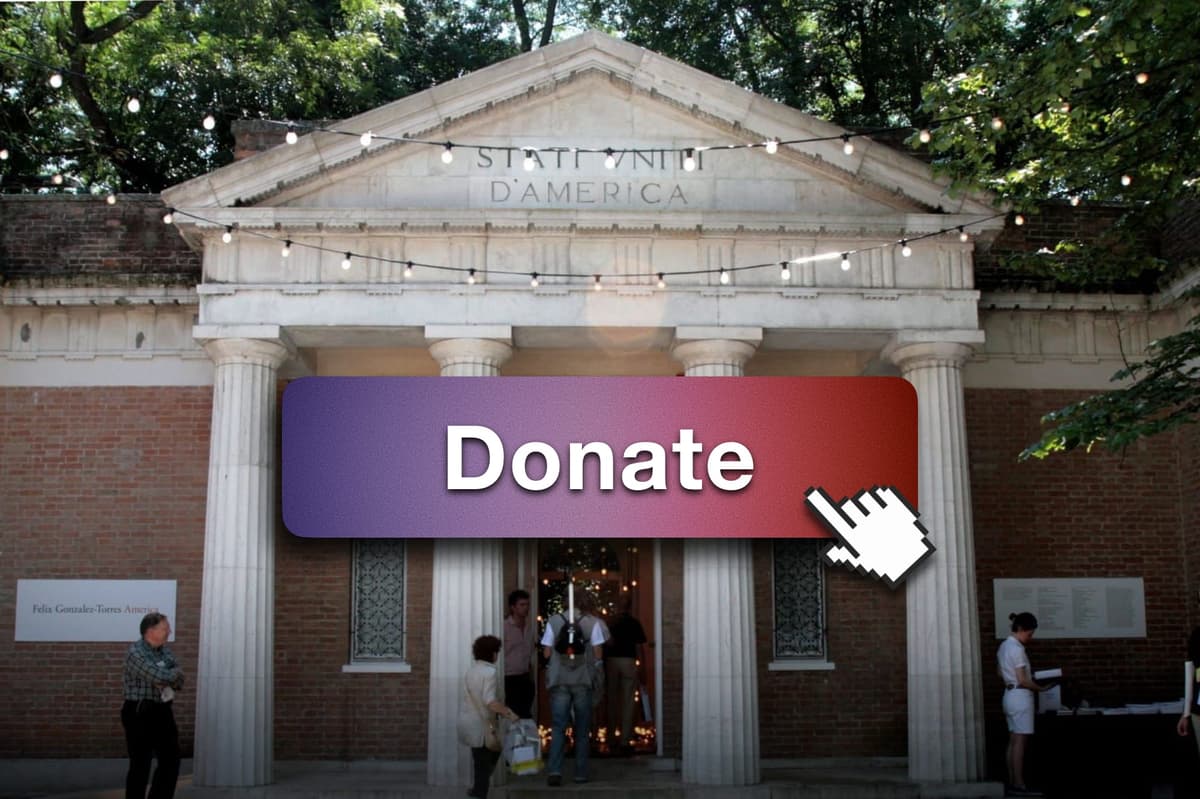
- •American Arts Conservancy asks public for $100+ donations for US pavilion.
- •State Department contributed $375,000; total cost likely exceeds $5‑7 million.
- •No corporate or foundation sponsors; donor names to appear on pavilion wall.
- •Trump‑aligned donors hinted at supporting fundraising events for the pavilion.
- •Crowdfunded model underscores politicized art selection and funding transparency concerns.
Pulse Analysis
The 2026 Venice Biennale marks a turning point for U.S. cultural diplomacy as the State Department’s modest $375,000 grant falls far short of the projected multi‑million‑dollar cost of Alma Allen’s pavilion. Historically, American pavilions have relied on deep pockets of foundations such as Ford and Mellon, or on private benefactors whose contributions are publicly celebrated. This year, the American Arts Conservancy, a fledgling nonprofit, has resorted to a public fundraising button, inviting anyone to donate at least $100. The move signals a broader shift in how government‑backed cultural projects are financed under the Trump administration, which has re‑centralized artist selection and reduced traditional NEA support.
Beyond the numbers, the funding strategy raises questions about the politicization of art abroad. Donor anonymity is limited—names will appear on the pavilion wall—but the organization’s Instagram hints at involvement from Trump‑aligned financiers, blurring the line between cultural exchange and partisan patronage. Compared with the $7 million budget of Simone Leigh’s 2022 pavilion and the $5 million spent on Jeffrey Gibson’s 2024 showcase, the current model appears both financially strained and ideologically driven. Transparency concerns are amplified by the lack of corporate or foundation backing, leaving the public to wonder who ultimately shapes the narrative presented on the world stage.
The reliance on online donations may foreshadow a new era for large‑scale art events, where crowdfunding and boutique fundraising replace traditional patronage. While this could democratize support, it also risks subjecting high‑visibility cultural projects to the whims of a politically charged donor base. Stakeholders—from artists and curators to policymakers—should monitor how this financing experiment influences future biennales, the selection of artists, and the credibility of U.S. cultural representation abroad.
The US Pavilion Is Taking Online Donations
Comments
Want to join the conversation?
Loading comments...