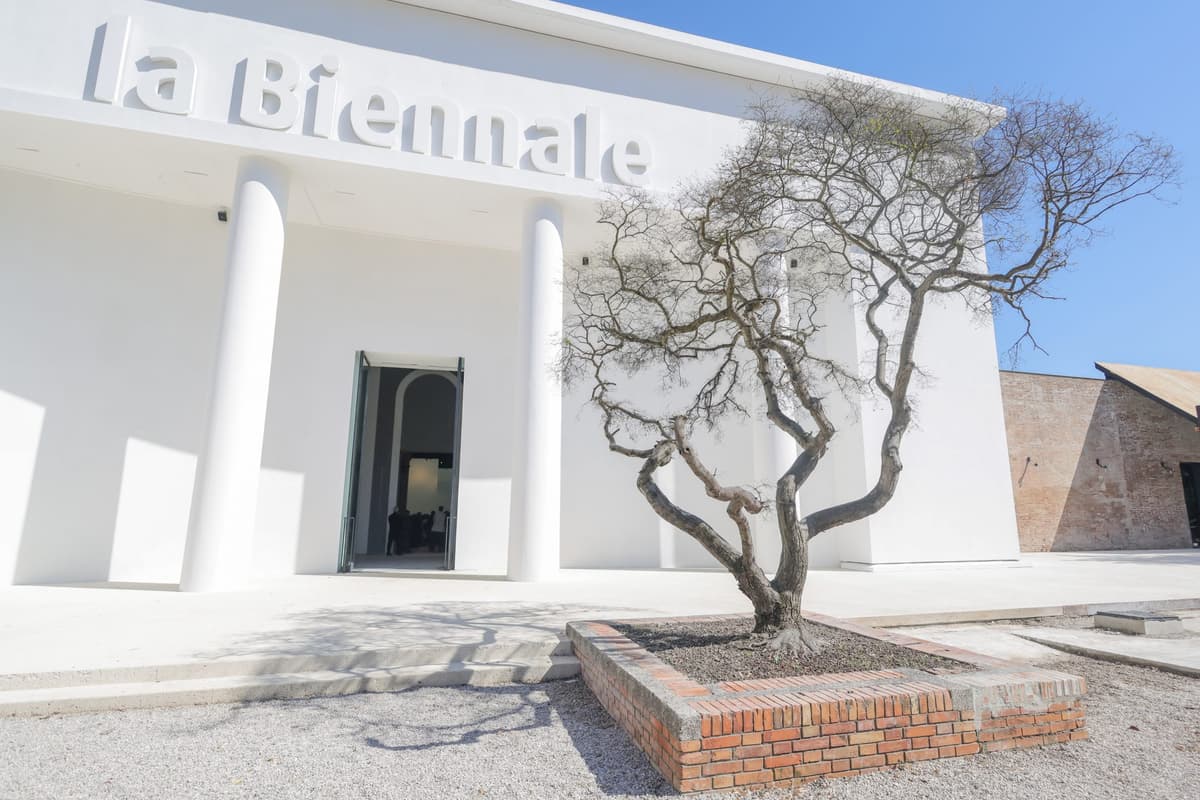
The Venice Biennale’s Polite Fiction of Being ‘Above the Market’ Is Wearing Thin
Why It Matters
The blurring line between cultural exhibition and commercial activity reshapes how art is financed and sold, signaling a more market‑driven future for major biennials. Collectors and institutions must navigate this new landscape where sponsorship and private sales become integral to participation.
Key Takeaways
- •Galleries fund Biennale projects as installation costs soar
- •Christie's hosts private sale in Ca’ Dario Palazzo, priced at $24 M
- •Sotheby's skips U.S. pavilion support, turns to exclusive client events
- •Frieze finances British Pavilion, showcasing Turner Prize winner Lubaina Himid
Pulse Analysis
The Venice Biennale has long been celebrated as a pure curatorial arena, but recent editions reveal a steady erosion of that myth. As installation budgets balloon, galleries are increasingly footing the bill, turning the event into a high‑stakes investment platform. This shift invites commercial players—fashion houses, sponsors, and especially auction houses—to embed themselves more visibly in the Biennale’s ecosystem, leveraging the concentration of elite collectors and institutional buyers.
Auction houses, once discreet backers of national pavilions, are now pivoting toward private client experiences and exclusive sales. Christie’s, for example, has transformed the historic Ca’ Dario Palazzo into a "Ghost Pavilion" where works by Warhol, Bourgeois and Titian command prices from half a million to $35 million. Sotheby’s, having funded a $5.8 million U.S. pavilion last year, has withdrawn that support in favor of curated tours, breakfasts at the Peggy Guggenheim Collection, and high‑end cocktail events. The emergence of crowdfunding for the American pavilion underscores a broader search for alternative financing models.
These developments signal a deeper market integration that could redefine the Biennale’s role in the global art economy. With commercial interests now openly influencing programming and sales, artists and institutions must balance creative autonomy against financial imperatives. Collectors, meanwhile, gain unprecedented access to premium works in a setting that blends cultural prestige with private market transactions, potentially accelerating price appreciation and reshaping acquisition strategies. The Biennale’s evolution thus serves as a bellwether for how major cultural institutions may increasingly operate within a market‑centric framework.
The Venice Biennale’s Polite Fiction of Being ‘Above the Market’ Is Wearing Thin
Comments
Want to join the conversation?
Loading comments...