Why It Matters
Cha’s work reframes the politics of language and identity, offering museums a critical lens for programming that resonates with global audiences and the growing market for diaspora art. Her renewed visibility drives scholarly attention and potential market valuation for under‑recognized feminist artists.
Key Takeaways
- •Cha’s work confronts language as colonial oppression.
- •Retrospective revives 1970s feminist conceptual art.
- •Video “Ripples” uses moving words to depict displacement.
- •Contemporary artists reference Cha’s “White Dust” film.
- •Exhibition runs at BAMPFA through April 19.
Pulse Analysis
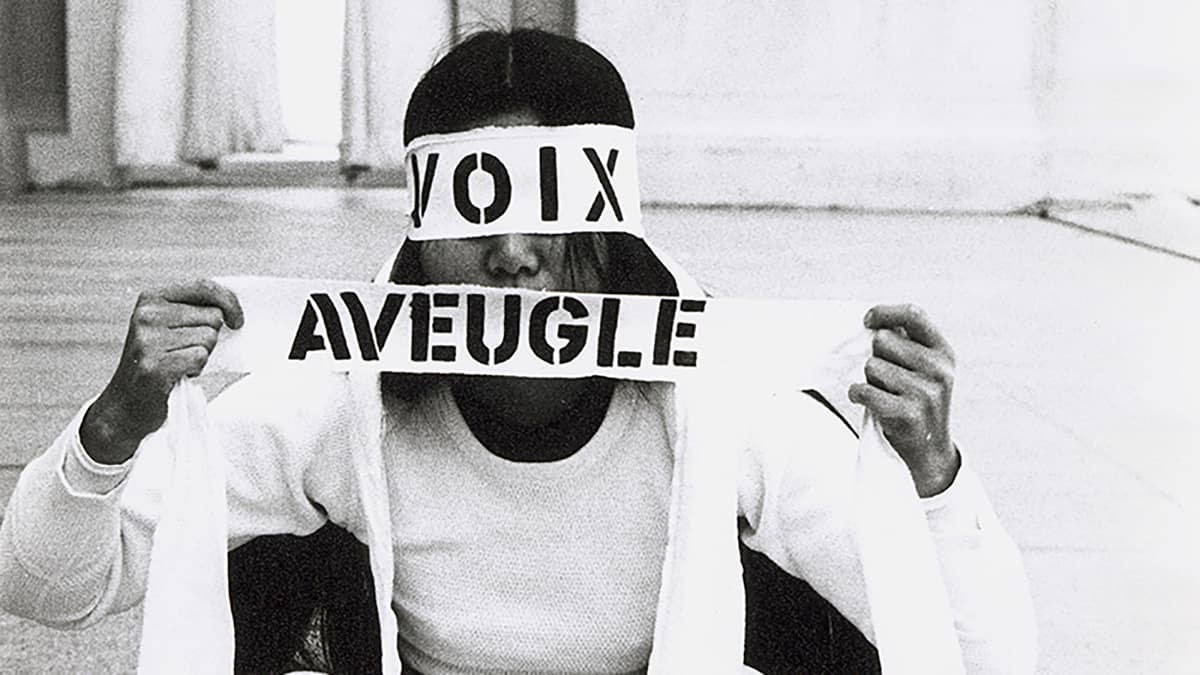
Theresa Hak Kyung Cha’s Multiple Offerings marks a pivotal moment for institutions seeking to deepen their engagement with feminist and diaspora narratives. By foregrounding Cha’s experimental use of language—through silent word streams in Ripples and the fragmented visual diary of White Dust—the exhibition challenges conventional curatorial frameworks that prioritize linear storytelling. This approach aligns with a broader museum trend toward immersive, concept‑driven experiences that attract culturally curious visitors and generate higher ticket sales, especially among younger demographics attuned to identity politics.
The retrospective also serves as a catalyst for market reassessment of under‑represented artists from the 1970s era. As contemporary creators like Na Mira and Cici Wu directly reference Cha’s oeuvre, their works gain provenance and collectability, prompting auction houses and galleries to monitor demand for related archival materials. Collectors increasingly view such historically significant pieces as both cultural capital and investment assets, driving secondary‑market activity and encouraging institutions to acquire or loan comparable works.
Beyond commercial implications, Cha’s exploration of linguistic oppression resonates amid current geopolitical tensions and debates over cultural appropriation. Her visual critique of nationalism offers scholars a rich case study for interdisciplinary research, bridging art history, Asian studies, and postcolonial theory. By situating Cha’s legacy within contemporary discourse, BAMPFA not only honors an influential yet overlooked artist but also positions itself at the forefront of curatorial innovation, attracting academic partnerships, grant opportunities, and sustained public interest.
Theresa Hak Kyung Cha: Language of the Dispossessed
Comments
Want to join the conversation?
Loading comments...