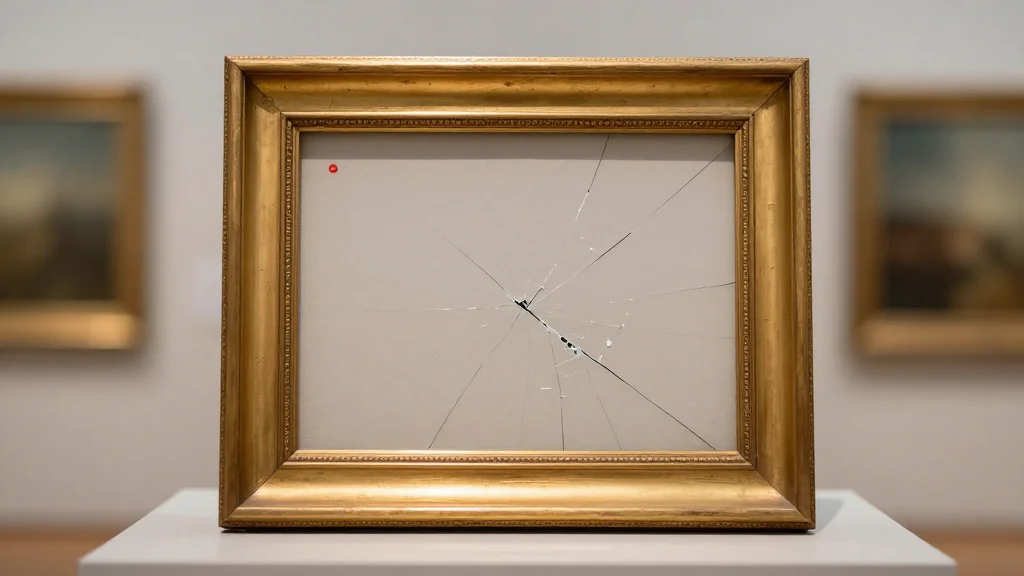
Thieves Swipe Renoir, Cézanne and Matisse Paintings From Italy’s Magnani Rocca Museum

Why It Matters
The theft of three masterworks from a private museum highlights a growing vulnerability in the art world: while public institutions have invested heavily in security after high‑profile heists, private collections often lack comparable resources. This gap creates a lucrative niche for organized crime, potentially encouraging more thefts and ransom schemes. Moreover, the loss of culturally significant pieces—regardless of their relative importance within a collection—deprives scholars and the public of access, undermining the broader mission of preserving heritage. The incident also puts pressure on insurers and policymakers to rethink coverage terms and regulatory standards for private museums. If ransom demands become commonplace, the market could see a shift toward stricter provenance verification and tighter cross‑border cooperation among law‑enforcement agencies, reshaping how art is bought, sold, and protected.
Key Takeaways
- •Thieves stole Renoir’s “Fish,” Cézanne’s “Still Life with Cherries,” and Matisse’s “Odalisque on the Terrace” from the Magnani Rocca Foundation near Parma.
- •The paintings are valued at several million euros, roughly $5.4 million total.
- •Police describe the perpetrators as a structured gang; the theft took under three minutes.
- •Art expert Claudio Strinati warned the heist could be followed by a ransom demand.
- •The robbery follows a series of European museum thefts, prompting calls for stronger security at private collections.
Pulse Analysis
The Magnani Rocca heist underscores a shift in the target profile for art thieves: private museums, especially those in remote locales, are increasingly attractive due to perceived lax security and the high monetary value of their holdings. Historically, major thefts have focused on national institutions—think the 1990 Isabella Stewart Gardner Museum robbery—because of the public profile and potential for ransom. However, the recent spate of private‑collection hits suggests criminals are adapting, exploiting gaps in surveillance, staffing, and emergency response.
From a market perspective, insurers may tighten underwriting criteria, demanding higher premiums or mandatory security upgrades for private owners. This could strain smaller foundations that lack the capital of larger institutions, potentially leading to consolidation or public‑private partnerships for security funding. Additionally, the threat of ransom negotiations introduces a new risk vector: owners may be pressured to pay to recover works, which could incentivize further thefts if criminals see a reliable payoff.
Looking ahead, the art world is likely to see a wave of technological investments—AI‑driven video analytics, biometric access controls, and blockchain‑based provenance tracking—to deter theft and aid recovery. Law‑enforcement agencies, especially Interpol’s Art Crime Working Group, will probably push for a unified database of stolen works and faster cross‑border information sharing. The outcome of this case could set a precedent: if the paintings are recovered without ransom, it may reinforce deterrence; if a ransom is paid, it could embolden criminal networks, reshaping the economics of art crime for years to come.
Thieves Swipe Renoir, Cézanne and Matisse Paintings from Italy’s Magnani Rocca Museum
Comments
Want to join the conversation?
Loading comments...