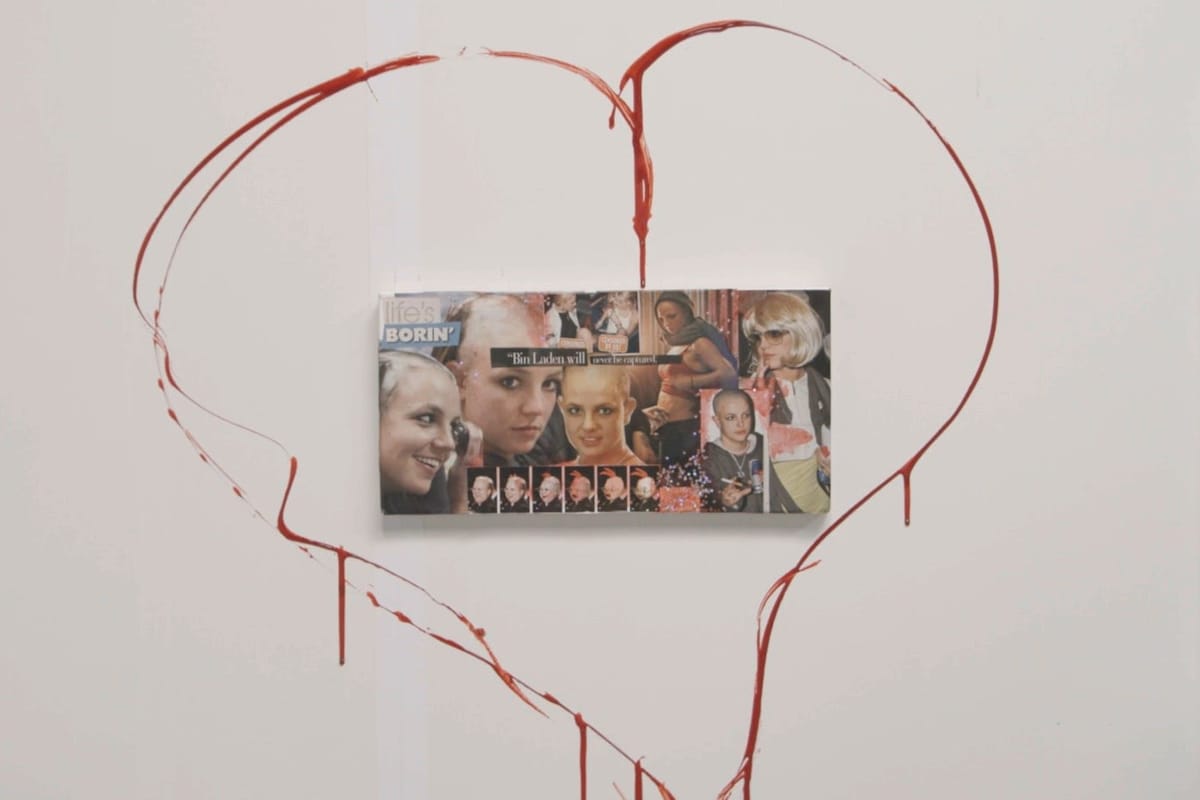
This ICA Exhibition Skewers Art’s Culture of Capitalism
Why It Matters
By confronting the art market’s speculative excess, the exhibition challenges collectors, institutions, and artists to rethink value beyond financial hype, signaling a potential shift toward more critical, socially aware programming in major cultural venues.
Key Takeaways
- •ICA's "Genuine Fake Premium Economy" critiques post‑2008 art market excess
- •Artists Bliss, Ellison, Gregory use satire to expose greed
- •Leong warns against nostalgic longing for pre‑crisis boom
- •Show blends photography, installation, and data to map capitalism's reach
Pulse Analysis
The ICA’s latest exhibition, “Genuine Fake Premium Economy,” arrives at a moment when the art world is still grappling with the aftershocks of the 2008 financial crisis. By assembling the work of Jenna Bliss, Buck Ellison, and Jasmine Gregory, the show uses humor and visual data to lay bare the mechanisms that turned art into a high‑stakes commodity. Visitors encounter glossy airline‑style branding, inflated price tags, and charts that trace the flow of capital, all of which underscore how market logic has infiltrated creative decisions and institutional agendas.
Curator Nicole Leong frames the exhibition as a diagnostic tool rather than a cure, emphasizing that nostalgia for the pre‑crisis boom is misplaced. The 2007‑2008 peak, driven by speculative buying and aggressive fundraising, created a bubble that left many artists and galleries vulnerable when it burst. By highlighting the lingering allure of “silly money” and the greed that fuels it, the ICA encourages stakeholders to question whether the current market dynamics serve artistic innovation or merely reinforce financial hierarchies.
Beyond its critique, the show signals a broader trend among major institutions to foreground economic commentary within artistic practice. As collectors increasingly demand transparency and social relevance, exhibitions like this provide a platform for artists to interrogate the very structures that sustain their careers. For the business side of the art ecosystem, the message is clear: sustainability will depend on balancing market forces with critical, culturally resonant programming that can attract audiences without sacrificing integrity.
This ICA Exhibition Skewers Art’s Culture of Capitalism
Comments
Want to join the conversation?
Loading comments...