‘This Is an Opportunity that Will Never Happen Again’: Syrian Artist Sara Shamma on Rebuilding Her Country
Why It Matters
The exhibition demonstrates Syria’s re‑entry into global cultural dialogue and underscores how art can frame national reconstruction after conflict. It also offers collectors and institutions a rare glimpse of a revitalized Syrian art market.
Key Takeaways
- •Sara Shamma is the sole artist representing Syria at Venice Biennale 2026
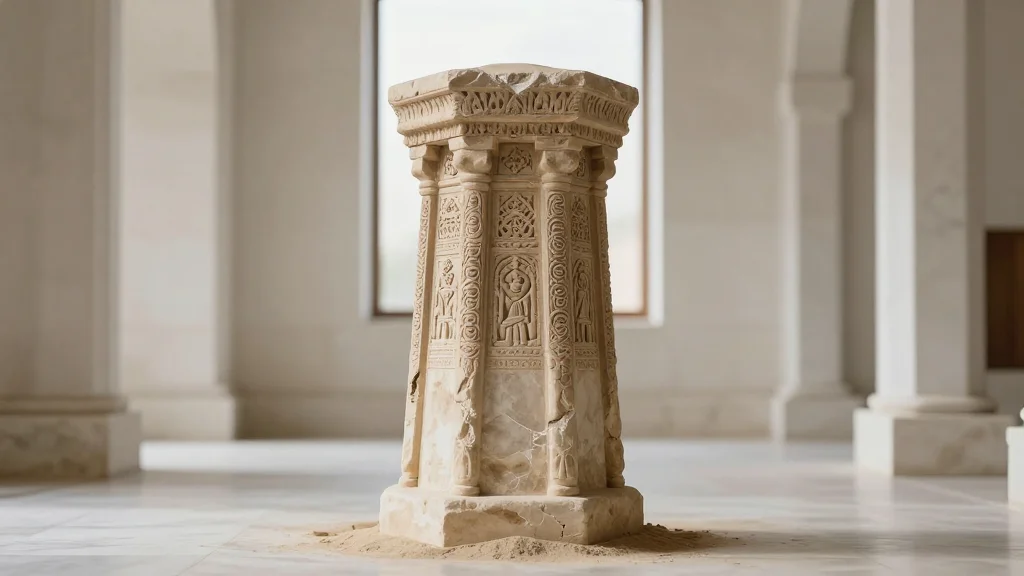
- •Her installation recreates Palmyra’s funerary towers destroyed in 2015
- •The project blends painting, architecture, light, sound, and scent
- •Shamma returned to Syria in 2024 after Assad’s regime fell
- •The pavilion signals Syria’s cultural rebirth and international re‑engagement
Pulse Analysis
The 2026 Venice Biennale, one of the art world’s most prestigious platforms, has turned its spotlight on a dramatically altered Syria. After years of isolation under the Assad regime, the country’s sudden political transition in late 2024 opened a window for cultural institutions to re‑engage. By centering its national pavilion on a single artist, Syria signals confidence in its emerging creative voices and a desire to rewrite its narrative from devastation to renewal. This strategic move also positions the nation to attract international curators, donors, and tourists eager to witness a historic cultural comeback.
Sara Shamma’s project, The Tower Tomb of Palmyra, is both a memorial and a blueprint for reconstruction. Drawing on the iconic funerary towers razed by ISIS in 2015, she builds an immersive environment that fuses her signature figurative painting with architectural forms, ambient lighting, curated soundscapes, and subtle scents. The installation’s 18 new paintings, displayed within a large‑scale structure, invite visitors to physically navigate the space, confronting loss while envisioning regeneration. Shamma’s emphasis on subconscious perception aims to transform viewers, aligning personal introspection with collective healing.
Beyond artistic merit, the pavilion carries weight for Syria’s broader socioeconomic recovery. Cultural diplomacy can catalyze foreign investment, tourism, and heritage preservation, all critical for a country rebuilding infrastructure and identity. The global exposure may stimulate a nascent Syrian art market, encouraging galleries and collectors to source works from local talent. Moreover, the project underscores how creative expression can serve as a catalyst for societal cohesion, offering a shared narrative that bridges generational trauma and future aspirations. As Syria re‑defines itself on the world stage, art becomes both a mirror and a map for its next chapter.
‘This is an opportunity that will never happen again’: Syrian artist Sara Shamma on rebuilding her country
Comments
Want to join the conversation?
Loading comments...