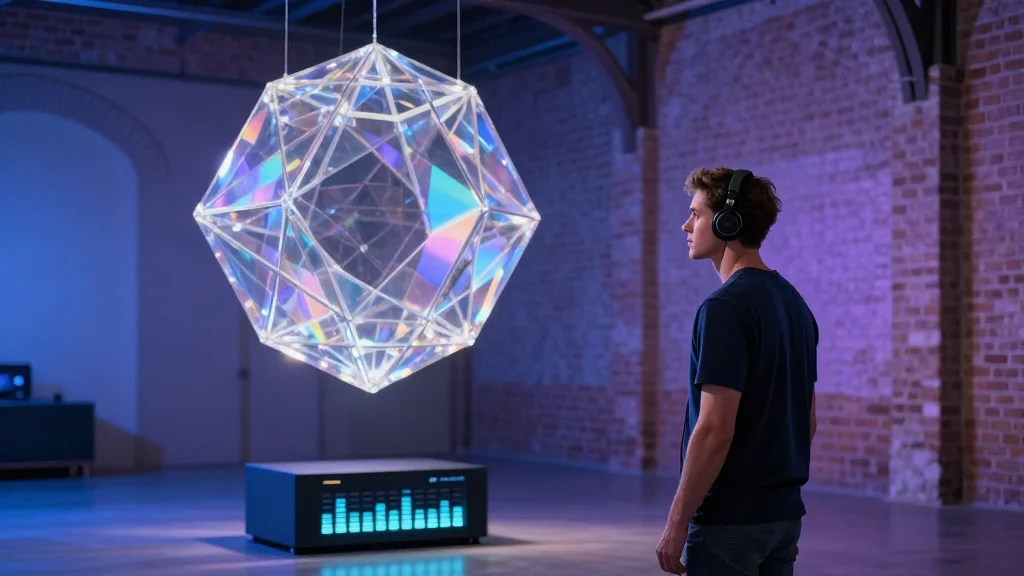
Thomas Bangalter Launches Immersive “Warehouse Artefacts” At Art Basel 2026

Why It Matters
Thomas Bangalter’s entry into Art Basel signals a convergence of music and visual art that could reshape how major fairs program their exhibitions. By leveraging his brand, the installation draws attention to immersive formats that prioritize audience interaction over static display, a trend that may redefine collector expectations and sponsorship models. Moreover, the project highlights the growing appetite for cross‑industry partnerships that blend cultural capital with commercial appeal, potentially opening new pathways for artists who operate at the intersection of sound, technology and spatial design. The move also raises a strategic question for traditional galleries: how to balance high‑visibility celebrity projects with the need to support emerging talent. As fairs become platforms for experiential branding, the art market may see a recalibration of value, where the experiential component becomes as critical as the artwork itself.
Key Takeaways
- •Thomas Bangalter, co‑founder of Daft Punk, co‑hosts “Warehouse Artefacts” at Art Basel 2026.
- •The installation transforms a historic Basel warehouse into an immersive, multi‑sensory environment.
- •Project blends electronic music, kinetic sculpture and interactive digital tech.
- •Reflects a broader trend of experiential installations dominating major art fairs.
- •Success could spur more celebrity‑driven collaborations in the fine‑art market.
Pulse Analysis
Bangalter’s foray into the fair circuit is more than a celebrity cameo; it is a strategic alignment of brand equity with the experiential turn in contemporary art. Historically, art fairs have been marketplaces for dealers and collectors, but the last decade has seen a pivot toward installations that generate social media moments and extended dwell time. By embedding a music legend into this ecosystem, Art Basel is effectively betting on the magnetic pull of pop culture to attract a broader demographic, especially younger collectors who consume art through immersive, shareable experiences.
From a market perspective, the installation could recalibrate pricing structures for fair‑based projects. Ticketed immersive works often command premium rates, and the involvement of a figure like Bangalter may justify higher price points, creating a new revenue tier for galleries willing to invest in large‑scale production. This could, however, exacerbate existing tensions between commercial viability and curatorial integrity, as smaller artists risk being sidelined in favor of headline‑grabbing spectacles.
Looking ahead, the success metrics for “Warehouse Artefacts” will likely be measured in foot traffic, media coverage and secondary market activity—particularly any NFTs or limited‑edition merchandise linked to the soundscape. If the project delivers on these fronts, we can expect a cascade of similar collaborations, with musicians, filmmakers and even gaming studios seeking footholds in the fine‑art arena. The challenge for curators will be to maintain critical rigor while navigating the commercial allure of such high‑profile partnerships.
Thomas Bangalter Launches Immersive “Warehouse Artefacts” at Art Basel 2026
Comments
Want to join the conversation?
Loading comments...