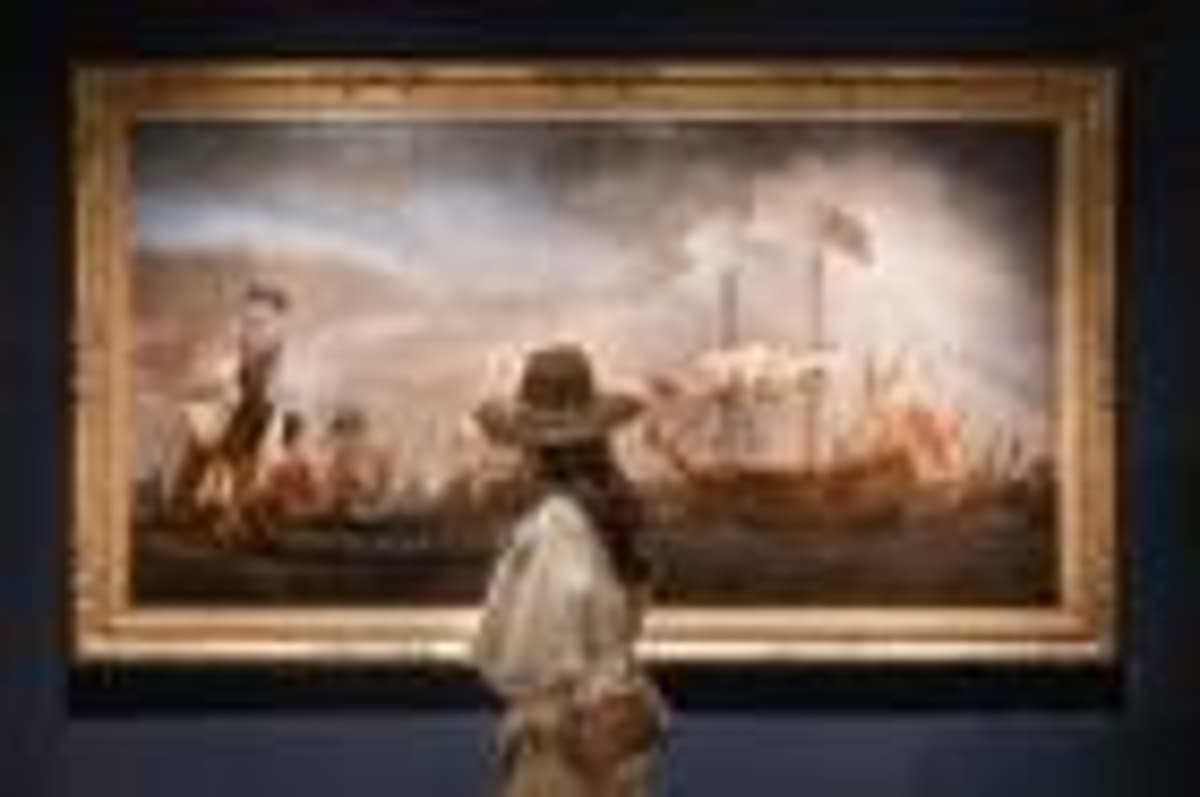
Thoroughly Modern Tefaf: Why the Maastricht Fair Is Embracing the 20th Century
•March 11, 2026
0
Why It Matters
The fair’s pivot toward 20th‑century and contemporary art signals a broader market shift, attracting new collectors and reinforcing Maastricht’s relevance in a volatile global art fair landscape.
Key Takeaways
- •Tefaf showcases 7,000 years of art, emphasizing 20th‑century works
- •276 exhibitors present, with new photography focus and emerging dealers
- •Management turnover continues; stable leadership remains a priority
- •Old Master pieces, like Jordaens, fetch below €800k after restitution
- •Modern galleries join, displaying Frankenthaler prints and Gauguin early works
Pulse Analysis
Tefaf Maastricht has long been a niche platform where antiquities meet modernity, but this year the fair deliberately amplified its 20th‑century narrative. By allocating prime floor space to photography and contemporary galleries, the organizers responded to collectors’ growing appetite for post‑war and avant‑garde works. This strategic positioning not only diversifies the fair’s portfolio but also differentiates it from larger, more homogenized fairs, offering a curated experience that feels both museum‑like and market‑driven.
Behind the polished exhibitions lies a leadership vacuum that could affect long‑term confidence. Dominique Savelkoul’s short‑lived directorship highlighted the volatility of executive turnover, yet dealers report that the operational team remains robust. The fair’s ability to secure high‑profile pieces—such as a Michelangelo drawing sold for $27 million and a restituted Jacob Jordaens painting—demonstrates that curatorial strength can outweigh managerial instability. Moreover, the inclusion of rare books, ancient ceramics, and a 68‑carat tourmaline necklace underscores Tefaf’s commitment to a broad historical spectrum while courting modern tastes.
For the art market, Tefaf’s evolution offers a microcosm of larger trends: a resurgence of interest in secondary‑market Old Masters, a surge in photography’s market share, and a concerted effort to integrate younger galleries. As digital platforms proliferate, in‑person fairs like Tefaf provide tactile validation and networking opportunities that online auctions cannot replicate. The fair’s blend of heritage and contemporary relevance positions it as a bellwether for how traditional art fairs can adapt, sustain collector engagement, and influence pricing dynamics across both historic and modern segments.
Thoroughly Modern Tefaf: why the Maastricht fair is embracing the 20th century
0
Comments
Want to join the conversation?
Loading comments...