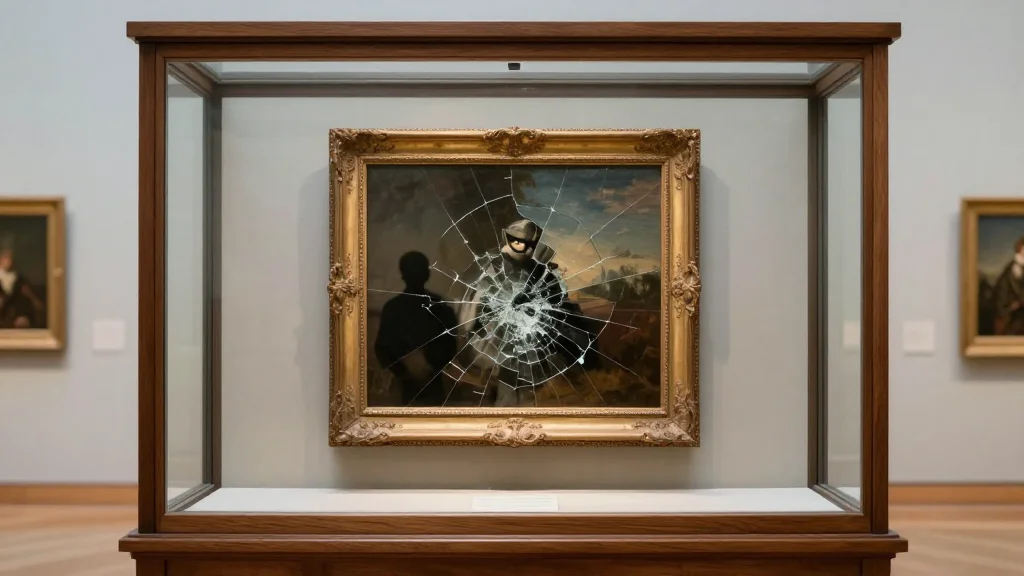
Three‑Minute Heist Steals $10.3 Million of French Masterpieces From Italy

Why It Matters
The theft of three high‑profile French masterpieces from a private Italian museum highlights the growing threat to cultural heritage posed by organized crime. Beyond the immediate loss of irreplaceable art, the heist raises questions about the adequacy of security measures at smaller institutions that lack the resources of national museums. It also puts pressure on insurers and law‑enforcement agencies to develop faster, more coordinated responses to art crime, which historically has been under‑prioritized. Moreover, the incident could influence market dynamics by driving up insurance premiums and prompting collectors to demand stricter provenance verification. As the black market for stolen art adapts to new technologies, the art world may see a shift toward more discreet, high‑security storage solutions and increased collaboration between private owners and public authorities.
Key Takeaways
- •Thieves stole Renoir, Cézanne and Matisse paintings worth $10.3 million from the Magnani Rocca Foundation near Parma.
- •The robbery lasted only three minutes before an alarm forced the thieves to abandon a fourth artwork.
- •Museum described the crime as “structured and organized” and “not completed,” according to its statement.
- •Police spokesperson said the museum concealed the theft to lure the thieves back, echoing tactics used after the Louvre heist.
- •Investigation led by Italy’s Carabinieri and the Cultural Heritage Protection Unit; no arrests have been made yet.
Pulse Analysis
The Magnani Rocca heist is a stark reminder that art crime is evolving from opportunistic thefts to precision strikes that can be executed in minutes. Historically, high‑profile robberies like the 1990 Isabella Stewart Gardner Museum theft involved extensive planning and long‑term concealment. In contrast, this three‑minute operation suggests a new playbook: rapid entry, targeted removal of marquee works, and an immediate exit before alarms can fully engage. The fact that the thieves left a fourth piece behind indicates a sophisticated risk‑assessment on the fly, likely informed by real‑time security feedback.
From a market perspective, the loss of three French masterpieces—each a cornerstone of Impressionist, Post‑Impressionist, and Fauvist movements—creates a vacuum that will likely inflate the value of comparable works still in circulation. Insurers, already rattled by the Louvre jewel theft, may raise premiums for private collections, especially those housed in historic villas that lack modern security infrastructure. This could accelerate a trend toward digitized monitoring, AI‑driven anomaly detection, and shared security consortia among private museums.
Looking ahead, the case may set a precedent for how institutions balance secrecy with public safety. The Magnani Rocca Foundation’s decision to keep the theft under wraps, hoping to trap the thieves, reflects a tactical shift that could become more common if it proves effective. However, it also risks eroding public trust if stakeholders feel information is being withheld. The outcome of this investigation will likely shape policy discussions in the European Union about mandatory reporting standards for cultural heritage crimes, potentially leading to stricter compliance requirements for both public and private collections.
Three‑Minute Heist Steals $10.3 Million of French Masterpieces from Italy
Comments
Want to join the conversation?
Loading comments...