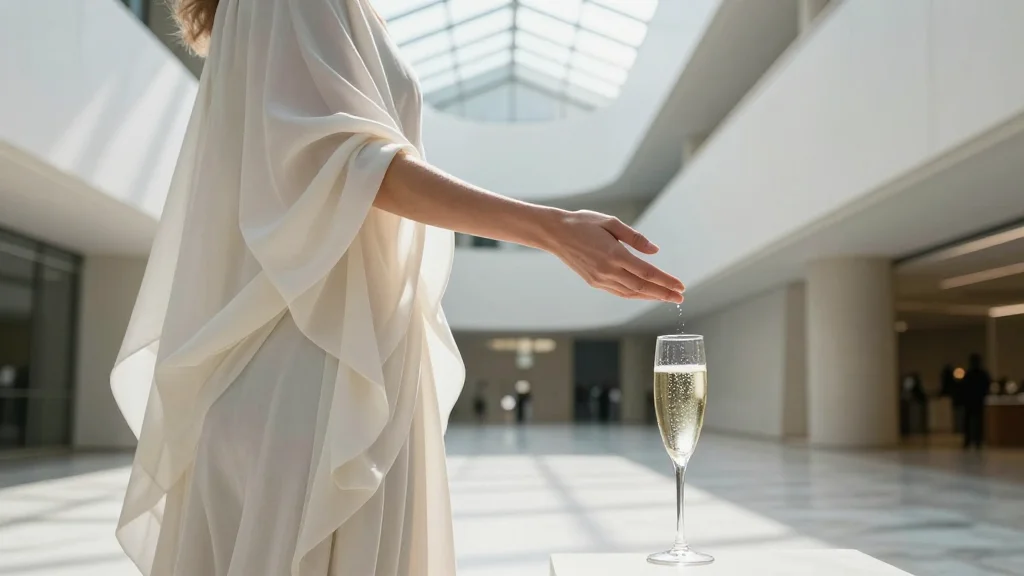
Tilda Swinton to Headline "House of Gestures" At Guggenheim Bilbao on June 5‑6

Why It Matters
The Swinton‑Dom Pérignon collaboration highlights how performance art is increasingly leveraged as a platform for brand storytelling, reshaping funding models for museums worldwide. By situating a celebrity‑driven work in a public atrium, the Guggenheim Bilbao tests the limits of accessibility and commercial influence, potentially setting a precedent for future high‑profile, sponsor‑backed installations. Moreover, the project reinforces the growing legitimacy of interdisciplinary practice, where cinema, fashion, and fine art intersect. Swinton’s transition from screen to stage, paired with a fashion historian’s curatorial eye, exemplifies a new mode of artistic production that blurs traditional genre boundaries, inviting both critics and audiences to reconsider what constitutes contemporary performance.
Key Takeaways
- •Tilda Swinton headlines "House of Gestures" at Guggenheim Bilbao on June 5‑6
- •Performance created with fashion curator Olivier Saillard and commissioned by Dom Pérignon
- •Set in the museum’s Frank Gehry‑designed atrium, tickets available via the museum website
- •Swinton’s quote: "With performance, we like to create a free zone where something honest and original can occur..."
- •Part of Dom Pérignon’s "Creation is an eternal journey" series, reflecting a broader luxury‑brand‑art partnership trend
Pulse Analysis
Swinton’s foray into a brand‑backed performance at the Guggenheim Bilbao signals a strategic convergence of celebrity cachet, luxury marketing, and institutional programming. Historically, museums have relied on philanthropy and public funding; the infusion of corporate capital—especially from lifestyle brands—offers a new revenue stream but also raises questions about curatorial independence. Dom Pérignon’s choice to anchor its narrative in the concept of "place" dovetails neatly with the Guggenheim’s architectural identity, creating a symbiotic story that benefits both parties.
From an artistic perspective, the collaboration underscores the fluidity of Swinton’s practice. Her earlier works, such as "The Maybe," were rooted in endurance and minimalism, whereas "House of Gestures" leans into choreographed symbolism tied to a commercial narrative. This evolution reflects a broader shift in performance art toward immersive, brand‑aligned experiences that can draw larger, more diverse audiences without sacrificing conceptual rigor. Critics will likely scrutinize the balance between artistic intent and sponsor messaging, but the project's success could encourage other luxury houses to invest in site‑specific works that amplify their heritage while enriching museum calendars.
Looking ahead, the outcome of this performance may influence how museums negotiate future partnerships. If audience engagement and critical reception prove strong, we may see a surge in similar collaborations, potentially redefining the economics of contemporary art production. Conversely, any perceived overreach by corporate sponsors could trigger a backlash, prompting institutions to reaffirm their commitment to artistic autonomy. The next few months will reveal whether "House of Gestures" becomes a template for sustainable, brand‑integrated programming or a cautionary tale about the commodification of cultural spaces.
Tilda Swinton to Headline "House of Gestures" at Guggenheim Bilbao on June 5‑6
Comments
Want to join the conversation?
Loading comments...