Key Takeaways
- •First solo show since Slama’s 2023 death
- •Features works 2007‑2020 exploring sexuality, fear
- •Critiques post‑2008 austerity and housing crisis
- •Boosts German contemporary art visibility in Europe
Pulse Analysis
Torsten Slama, a key yet often overlooked participant in the Cologne art surge of the 1990s, returns to the public eye with "Die Vatermaschine" at Essen’s Neuer Essener Kunstverein. The exhibition, on view through late May 2026, assembles a cross‑section of his large‑format drawings and paintings from 2007‑2020, including the provocative "Sexuality and Fear" series. Slama’s work fuses a stark, graphic aesthetic with layered references—from Pierre Klossowski’s transgressive figures to the kinetic humor of MAD magazine—creating a visual language that feels both historically grounded and eerily prescient.
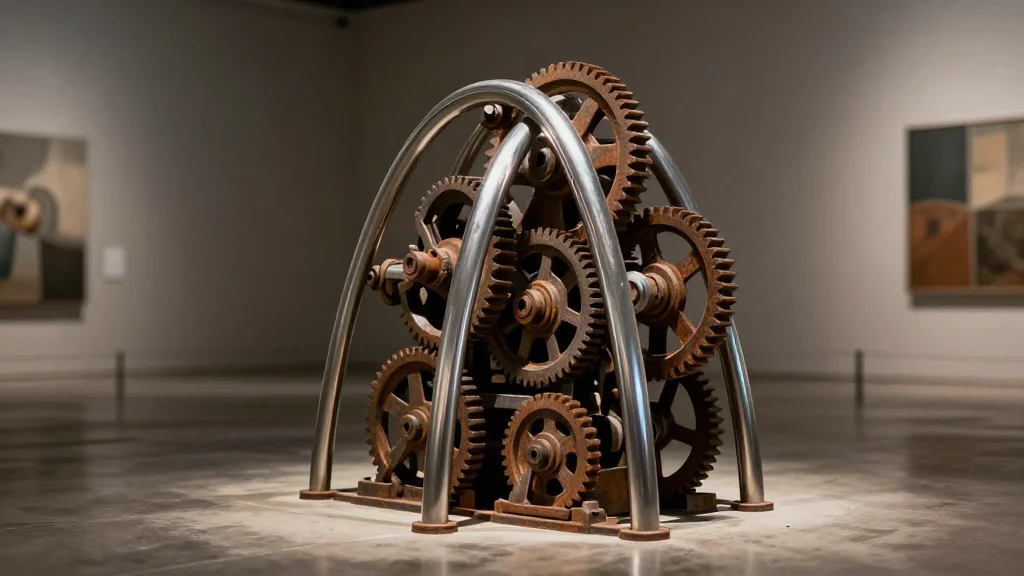
At its core, the show interrogates the psychological undercurrents of modernity. By casting machines, buildings, and even Freud‑like avatars as extensions of societal control, Slama mirrors the anxieties that followed the 2007‑08 financial crisis and the subsequent austerity policies of the 2010s. His depictions of houses as ideological factories comment on the inflated dream of home ownership that collapsed during the subprime bust, making the exhibition a timely commentary on today’s housing‑affordability crisis. The dystopian, post‑apocalyptic settings serve as a visual metaphor for the fragility of civil structures when confronted with unchecked market forces.
For the art market and cultural institutions, "Die Vatermaschine" signals a resurgence of interest in post‑1990 German artists whose work bridges the gap between New Objectivity and contemporary digital anxieties. Museums can leverage the exhibition to attract audiences seeking intellectually rigorous, socially relevant art, while collectors may see a valuation uplift for Slama’s pieces in public collections such as MoMA and the Museum of Contemporary Art Houston. The show’s blend of historical depth and current relevance positions it as a catalyst for renewed dialogue on art’s role in critiquing economic policy and technological change.
Torsten Slama at Neuer Essener Kunstverein, Essen
Comments
Want to join the conversation?