Why It Matters
Emin’s openness about disability and personal resilience reframes contemporary art discourse, while her advocacy for inclusive education influences cultural policy and community development.
Key Takeaways
- •Emin's 'A Second Life' pairs early and recent works
- •She openly discusses living with a urostomy
- •Margate revitalizes alongside Emin's artistic resurgence
- •Advocates accessible art education for working‑class creators
- •Calls for voting against far‑right extremism
Pulse Analysis
Tracey Emin’s "A Second Life" at the Tate marks a pivotal moment in contemporary British art, merging her seminal 1990s installations with new pieces that confront illness, disability and personal renewal. By foregrounding her urostomy and five‑year cancer‑free status, Emin challenges traditional narratives that often sideline artists with physical challenges, positioning vulnerability as a source of creative power. This candidness resonates with a growing audience seeking authentic stories behind the canvas, and it underscores a broader shift toward inclusive representation in major museum programming.
Beyond the exhibition, Emin’s return to Margate illustrates how place can catalyse artistic reinvention. The seaside town, once a backdrop to her early struggles, has undergone its own "second life" through regeneration projects and a burgeoning creative hub anchored by the Tracey Emin Foundation. Her studio‑based school offers a pragmatic alternative to elite art institutions, emphasizing hands‑on learning and socioeconomic diversity. This model aligns with policy discussions about democratizing arts education and reducing barriers for working‑class talent.
Emin’s political reflections add another layer to her cultural impact. Having voted across party lines, she now signals support for green and progressive platforms while warning against far‑right extremism. Her stance mirrors a wider trend of artists leveraging public platforms to influence civic discourse. For stakeholders—from curators to cultural funders—Emin’s multifaceted narrative provides a case study in how personal authenticity, community engagement, and political awareness can amplify an artist’s relevance in today’s volatile cultural landscape.
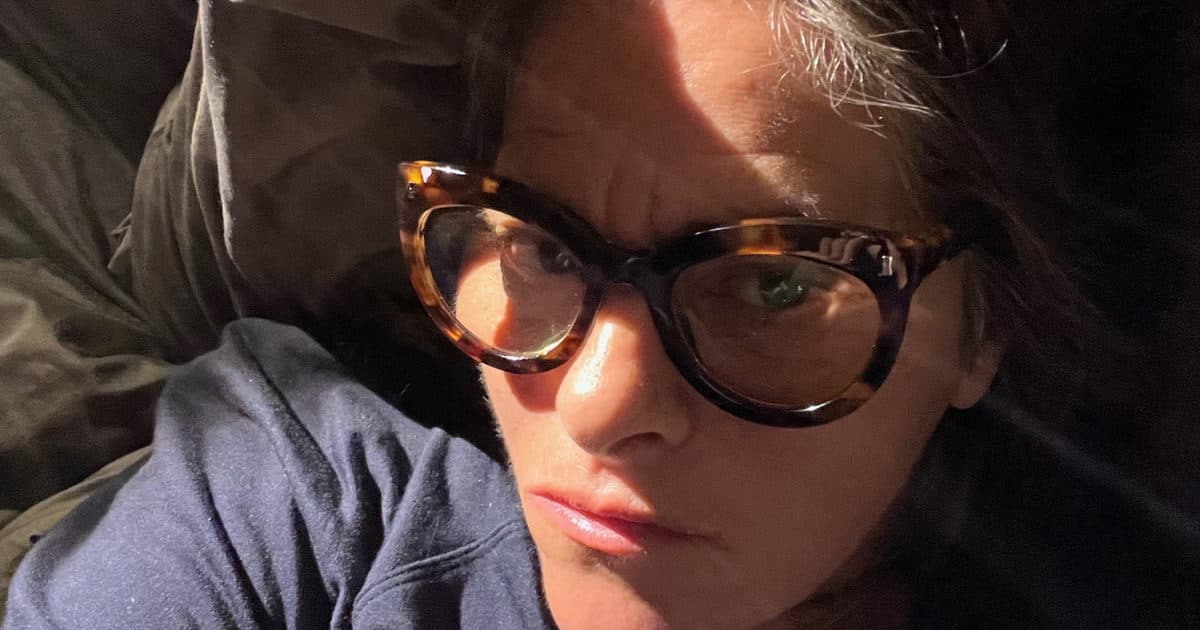
Tracey Emin: "I've lived my life for art"
0
Comments
Want to join the conversation?
Loading comments...