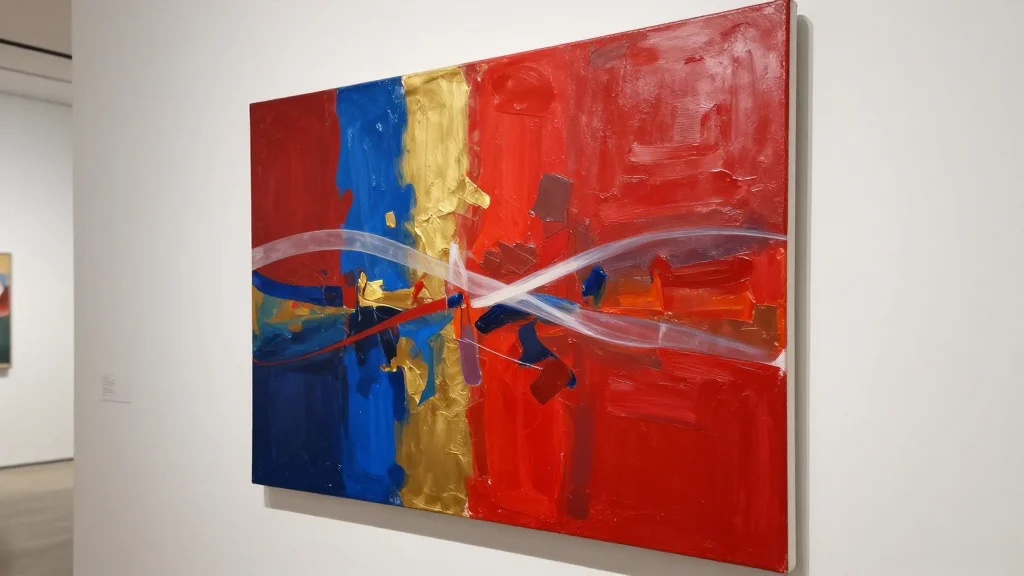
Tracey Emin Unveils 'A Second Life' At Tate Modern in Largest Solo Survey

Why It Matters
The opening of 'A Second Life' repositions Tracey Emin from a controversial YBA figure to a mature artist confronting mortality, thereby reshaping public perception of contemporary British art. By foregrounding her health struggle, the show invites broader conversations about artists' wellbeing and the role of museums in supporting creators facing personal crises. Moreover, Tate Modern’s strategic placement of the exhibition challenges conventional museum hierarchies, signaling a shift toward inclusive narratives that value lived experience alongside aesthetic innovation. This could encourage other institutions to allocate prime spaces to artists whose work bridges personal narrative and cultural critique.
Key Takeaways
- •Tracey Emin opens 'A Second Life', an eleven‑room retrospective at Tate Modern.
- •The exhibition is the largest solo survey of Emin’s work ever presented at the museum.
- •Curated by Jess Baxter, the show juxtaposes pre‑ and post‑cancer periods.
- •Emin lives with a stoma after a 2020 bladder cancer diagnosis and supports an art school in Margate.
- •Tate plans related public programs and commissions inspired by Emin’s narrative approach.
Pulse Analysis
Emin’s retrospective arrives at a crossroads where personal narrative and institutional ambition intersect. Historically, the YBAs leveraged shock value to disrupt the British art establishment; now, Emin’s willingness to expose vulnerability offers a different kind of disruption—one that humanizes the artist and invites empathy. This shift may recalibrate how museums program living artists, moving from spectacle to sustained engagement with the artist’s evolving life story.
Financially, the exhibition is likely to boost Tate’s visitor numbers and ancillary revenue, as Emin’s name continues to draw both devoted fans and curious newcomers. The decision to house the show in a space traditionally reserved for old masters also signals a redefinition of cultural capital, suggesting that contemporary works can command the same reverence as canonical paintings. If successful, this model could inspire other major institutions to allocate prime gallery real estate to living artists, potentially reshaping funding priorities and donor strategies.
Looking ahead, Emin’s Margate initiatives could serve as a blueprint for artist‑led community development, blending high‑profile exhibitions with grassroots cultural investment. The art world will be watching whether this dual approach—global museum exposure paired with local empowerment—becomes a replicable template for artists navigating health challenges while maintaining a public presence.
Tracey Emin Unveils 'A Second Life' at Tate Modern in Largest Solo Survey
Comments
Want to join the conversation?
Loading comments...