
Why It Matters
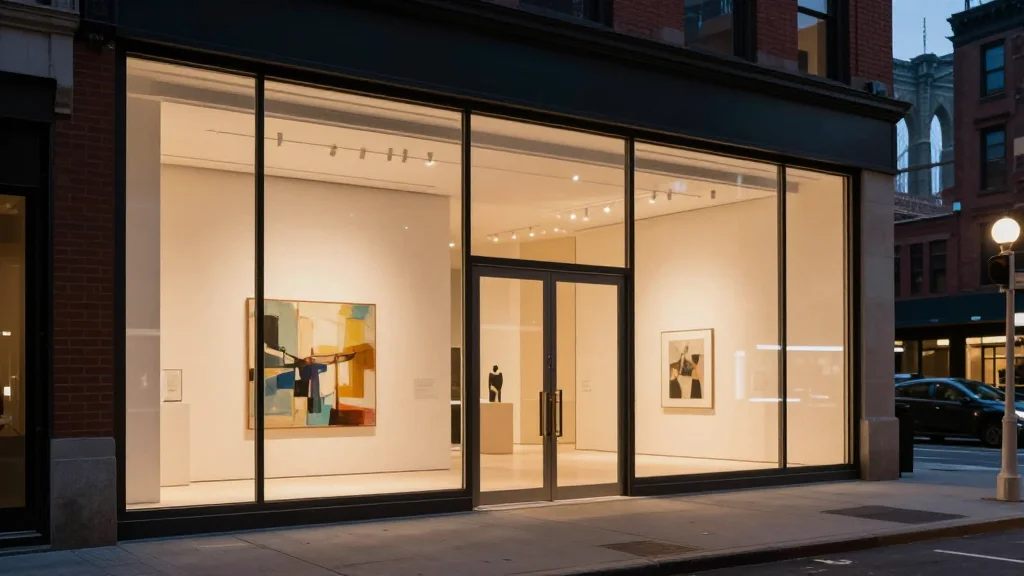
Tribeca Gallery Night illustrates how coordinated programming can amplify the market impact of individual galleries, especially those launching new spaces. By aggregating over 80 venues into a single, timed event, the night creates a high‑visibility platform that benefits emerging artists, accelerates sales cycles, and reinforces Tribeca’s reputation as New York’s premier gallery district. The showcase also signals a shift in how galleries think about audience engagement, moving beyond the traditional weekday opening to a more experiential, evening‑focused model. This could influence future programming across the city, prompting other districts to adopt similar collective events to compete for collector attention and media coverage.
Key Takeaways
- •More than 80 Lower Manhattan galleries will stay open late on May 15 for Tribeca Gallery Night
- •Three new spaces—Tappeto Volante, Gratin and Southern Guild—debut shows during the event
- •Tappeto Volante’s Manhattan debut features painter Angelo Vasta at 4 Cortlandt Alley
- •Gratin opens at 15 White Street with a solo show by Spanish sculptor Mónica Mays
- •Southern Guild presents solo shows for Usha Seejarim and Mmangaliso Nzuza at 75 Leonard Street
Pulse Analysis
Tribeca’s emergence as a gallery epicenter is not merely a product of real‑estate trends; it reflects a strategic consolidation of cultural capital. By clustering a high density of galleries within walking distance, the district creates network effects that benefit both dealers and collectors. The shared evening hours reduce competition for foot traffic, allowing smaller venues to piggyback on the draw of marquee names. This synergy mirrors the dynamics of tech clusters, where proximity fuels collaboration and cross‑pollination.
Historically, New York’s art market has shifted in waves—from the uptown dominance of the 1970s to the Chelsea boom of the early 2000s. Tribeca’s current rise suggests a maturation phase where galleries seek larger, more flexible spaces and a clientele willing to engage after traditional work hours. The success of Tribeca Gallery Night could encourage other neighborhoods, such as the Lower East Side or Brooklyn’s Williamsburg, to experiment with coordinated late‑night events, potentially diffusing the market concentration.
Looking ahead, the key question is whether the night’s momentum translates into sustained sales and longer‑term foot traffic for the participating galleries. If collectors respond positively, we may see a new calendar fixture that reshapes opening‑hour norms and reinforces Tribeca’s status as the new heart of New York’s contemporary art scene.
Tribeca Gallery Night Draws 80+ Galleries for City‑Wide Showcase
Comments
Want to join the conversation?
Loading comments...