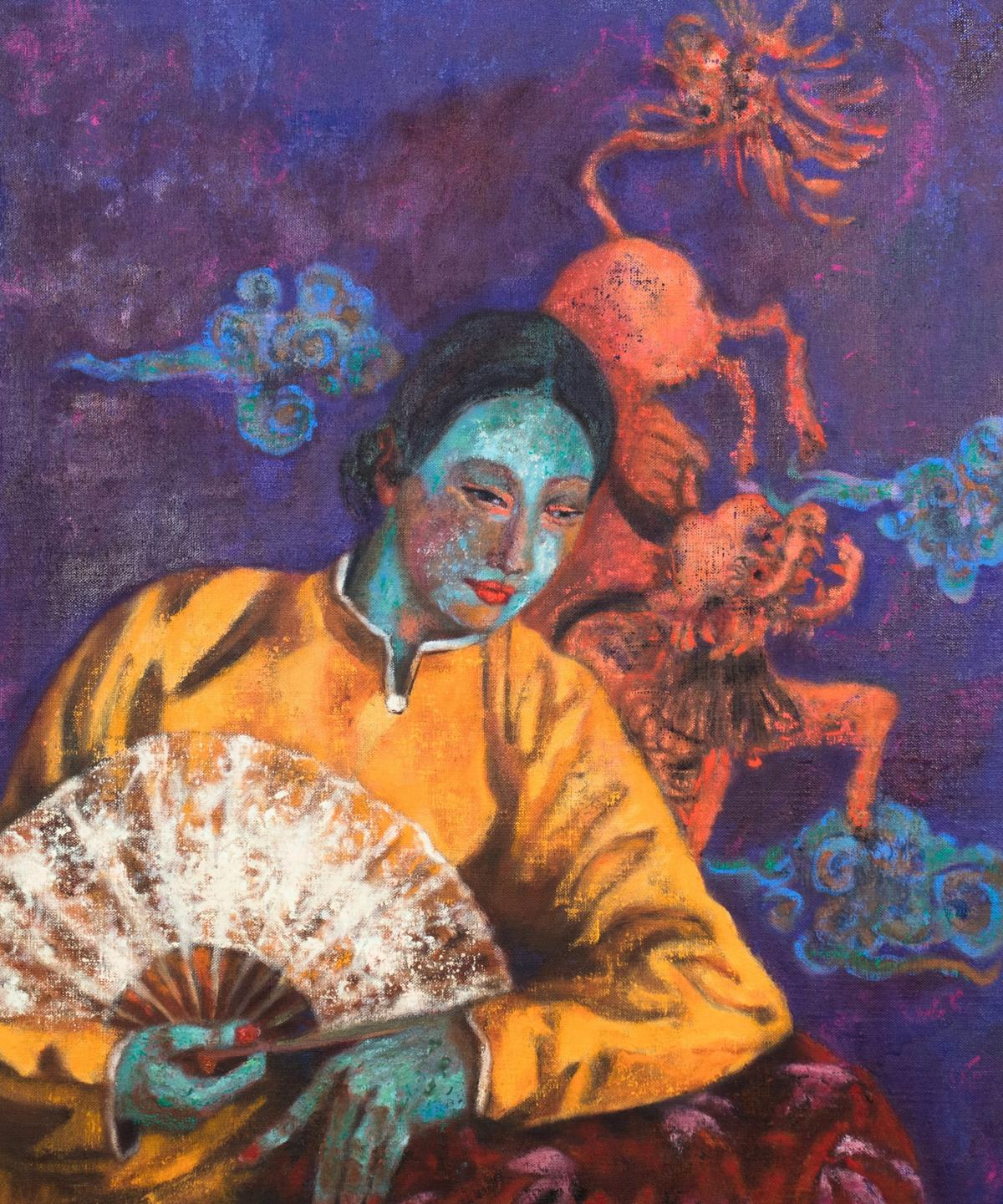
Tuan Vu Paints Vietnam Through the Haze of Memory and Imagination
Why It Matters
Vu’s work bridges cultural narratives, offering Western audiences a nuanced visual dialogue on Vietnam’s history and diaspora experience. The exhibition signals growing market interest in Southeast Asian contemporary art within European institutions.
Key Takeaways
- •"Annam" reinterprets Vietnam’s colonial name to probe collective memory
- •Paintings fuse Vietnamese folk motifs with Les Nabis color palettes
- •Figurative shift introduces layered narratives, referencing Mai Trung Thu
- •Exhibition highlights rising demand for Southeast Asian art in Europe
Pulse Analysis
Tuan Vu’s "Annam" marks a pivotal moment for Vietnamese contemporary art on the global stage. By situating his memory‑laden canvases in a Berlin gallery, Vu not only showcases personal nostalgia but also reframes Vietnam’s colonial legacy for an international audience. The title itself—drawn from the historic name for the French‑occupied South—serves as a conceptual anchor, prompting viewers to consider how history is filtered through personal recollection. This contextual framing resonates with collectors and institutions seeking art that bridges geographic and cultural divides.
The exhibition’s visual language is a hybrid of Eastern and Western art histories. Vu channels the decorative richness of traditional Vietnamese textiles while borrowing the luminous color fields of Les Nabis and the compositional rigor of Ingres. References to Mai Trung Thu underscore a lineage of artists who have blended folk traditions with modernist techniques. Such cross‑cultural dialogues appeal to curators aiming to diversify their programs, and they reinforce the market’s appetite for works that embody both aesthetic depth and cultural specificity.
Beyond aesthetics, "Annam" reflects broader trends in the art world: the rise of diaspora artists who negotiate identity through layered narratives, and the increasing institutional focus on Southeast Asian perspectives. As European galleries expand their geographic reach, exhibitions like Vu’s provide a template for presenting nuanced, historically informed art that engages both critics and collectors. The show’s run through May 30, 2026, offers ample opportunity for press coverage, scholarly essays, and potential acquisition, positioning Vu as a key figure in the next wave of internationally recognized Asian artists.
Tuan Vu Paints Vietnam Through the Haze of Memory and Imagination
Comments
Want to join the conversation?
Loading comments...