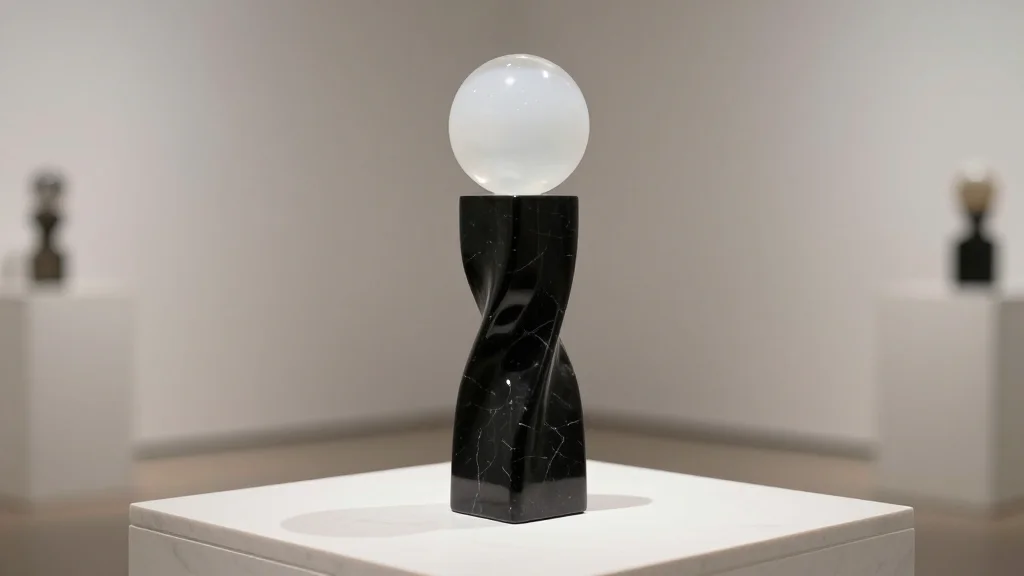
Turner Prize 2026 Shortlist Spotlights Sculpture, Four Artists Named

Why It Matters
The Turner Prize remains one of the most influential barometers of contemporary art trends. By foregrounding sculpture, the 2026 shortlist signals a potential shift in curatorial priorities, encouraging institutions to invest in material‑heavy practices that engage audiences physically and conceptually. This emphasis also offers emerging sculptors a platform that can accelerate their careers, attract museum commissions, and stimulate market demand for large‑scale works. Moreover, the prize’s visibility amplifies discussions about the balance between medium diversity and thematic relevance. As the shortlist demonstrates, artists can blend sculpture with performance, film, and spoken word, suggesting that future definitions of “sculpture” may become increasingly interdisciplinary, reshaping how galleries program and collectors evaluate contemporary art.
Key Takeaways
- •Four artists shortlisted: Simeon Barclay, Kira Freije, Marguerite Humeau, Tanoa Sasraku
- •Each nominee receives £10,000 (~$12,500) in prize money
- •Winner to be announced on 10 December, receiving an additional £25,000 (~$31,250)
- •Strong emphasis on sculpture across all shortlisted works
- •Turner Prize jury chaired by Alex Farquharson, director of Tate Britain
Pulse Analysis
The 2026 Turner Prize shortlist underscores a strategic pivot toward three‑dimensional practice at a time when the global art market is increasingly valuing experiential and tactile works. Historically, the prize has oscillated between championing conceptual video pieces and more traditional media; this year's sculptural tilt may reflect a broader institutional desire to attract audiences seeking immersive, physically engaging experiences. Galleries that have traditionally focused on painting and photography are likely to reassess their programming, allocating more floor space and budget to large‑scale installations and sculptural commissions.
From a market perspective, the Turner Prize’s endorsement often acts as a catalyst for price appreciation. Artists like Kira Freije, whose metal and fabric tableaux blend craft with contemporary narrative, could see their works enter the secondary market with heightened demand, especially among collectors looking to diversify portfolios with tactile, statement pieces. Similarly, the interdisciplinary nature of the nominees—combining performance, film, and sculpture—suggests that future acquisitions will favor works that defy singular categorization, encouraging a more holistic approach to collecting.
Looking ahead, the December winner will set a precedent for the next edition’s curatorial direction. If a sculptor takes the top honor, it could institutionalize the medium’s prominence, prompting funding bodies to prioritize material‑intensive projects and potentially influencing educational curricula to emphasize sculptural techniques. Conversely, a non‑sculptural winner would reaffirm the Turner’s legacy of eclecticism, reminding stakeholders that the prize’s power lies in its ability to spotlight diverse practices rather than any single medium. Either outcome will shape the strategic decisions of museums, galleries, and collectors for years to come.
Turner Prize 2026 Shortlist Spotlights Sculpture, Four Artists Named
Comments
Want to join the conversation?
Loading comments...