Why It Matters
The exhibition re‑examines a pivotal chapter of Arte Povera, deepening scholarly understanding and reinforcing Boetti’s market relevance as one of contemporary art’s most influential figures.
Key Takeaways
- •Exhibition features ~30 Boetti works from 1966‑1993.
- •Includes early Turin pieces and later Roman‑era masterpieces.
- •Loans from Boetti estate and private collectors enrich the show.
- •Symposium on April 25 gathers curators, critics, and artists.
- •Accompanying catalogue offers scholarly entries for each artwork.
Pulse Analysis
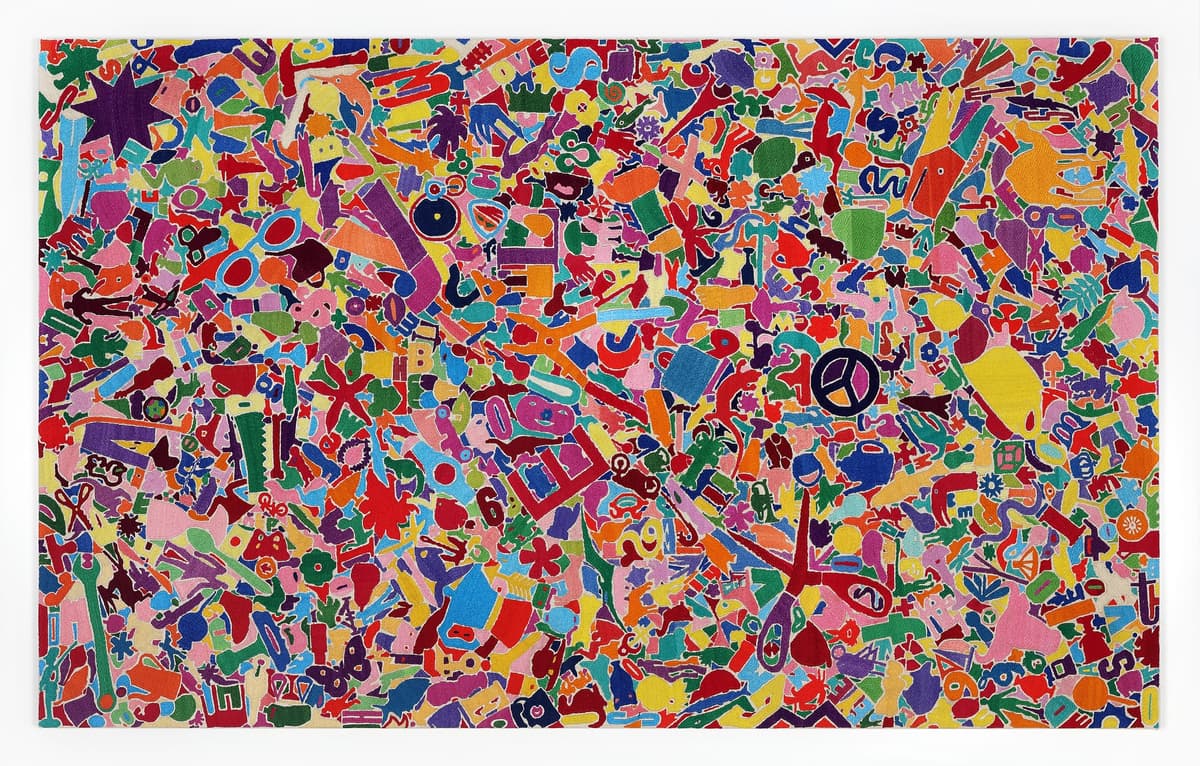
The exhibition’s depth is amplified by strategic loans from the Boetti estate and a prominent private collection, filling gaps that have long limited comprehensive study of his oeuvre. Curators Nancy Olnick and Giorgio Spanu emphasize the show’s role in reassessing a foundational moment for Arte Povera, positioning Boetti alongside peers like Michelangelo Pistoletto and Jannis Kounellis.
By juxtaposing early material‑focused pieces with later conceptual works, the display highlights Boetti’s evolving dialogue between artist and collaborator, a theme that continues to influence contemporary practices in participatory and socially engaged art.
The accompanying symposium on April 25, organized with the Fondazione Alighiero e Boetti, will convene leading voices to dissect Boetti’s legacy, offering fresh perspectives that may reshape academic discourse and market valuations.
The event, paired with a rigorously edited catalogue by Professor Francesco Guzzetti, provides scholars, collectors, and institutions with detailed provenance, condition reports, and critical essays—tools essential for future research and authentication. As the exhibition runs through 2028, it not only cements Boetti’s status in the canon but also stimulates renewed interest among collectors, potentially influencing auction trends and museum acquisitions worldwide.
Tutto Boetti 1966–1993
Comments
Want to join the conversation?
Loading comments...