Why It Matters
The pairing recontextualizes Tàpies’s legacy for a new audience while affirming Pendleton’s relevance, showing how postwar abstraction still shapes contemporary socio‑political art. It illustrates museums’ strategy of cross‑generational shows to deepen critical and market engagement.
Key Takeaways
- •Pendleton’s "Black Dada" meets Tàpies’s matter‑based abstraction
- •Estate emphasizes democracy, war, and nature themes in Tàpies’s work
- •Exhibition stresses dialogue over direct comparison, fostering generative tension
- •Naples show extends European interest in Black‑centric contemporary art
Pulse Analysis
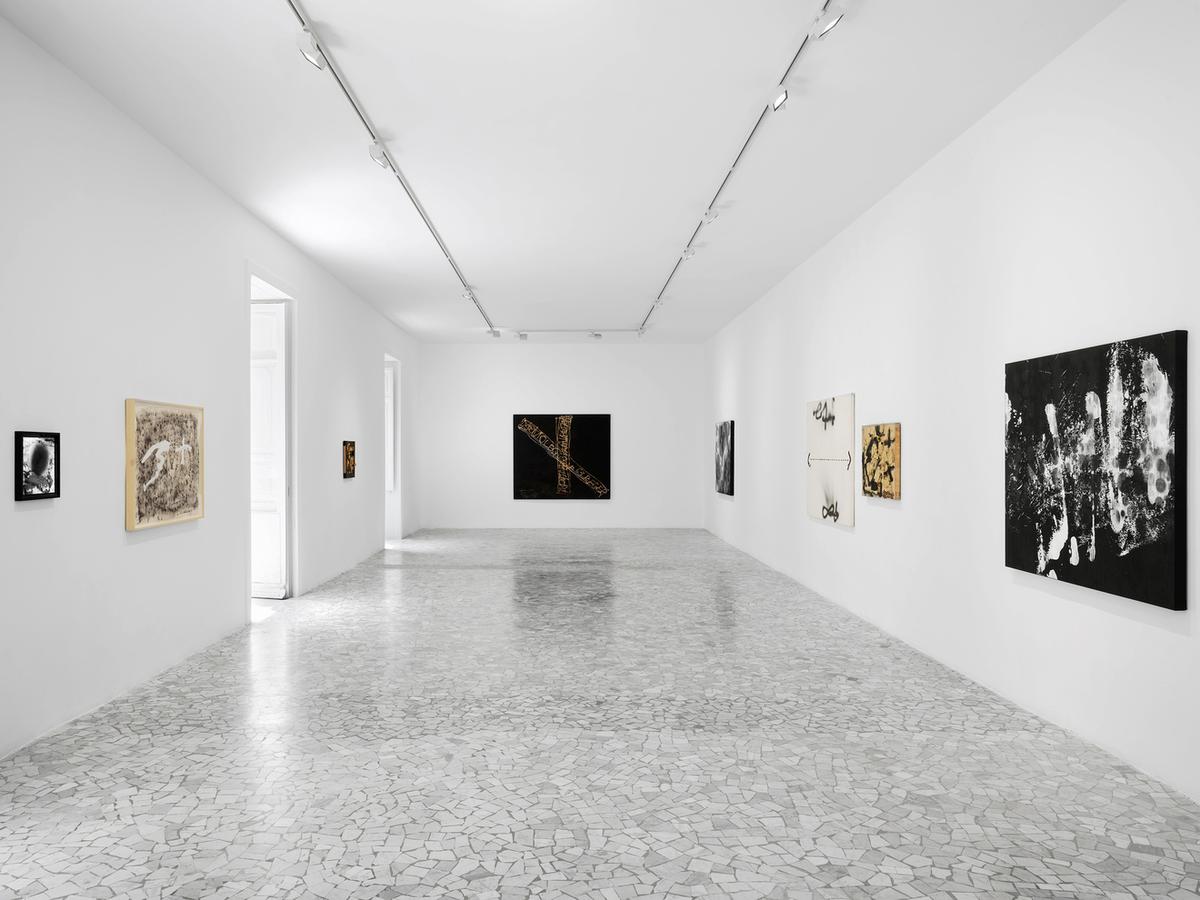
Cross‑generational exhibitions have become a powerful curatorial tool for re‑examining art history through a contemporary lens. By placing Adam Pendleton—a leading voice in "Black Dada" and conceptual abstraction—next to Antoni Tàpies, a cornerstone of postwar Art Informel, Alfonso Artiaco creates a visual conversation that bridges sixty‑plus years of artistic practice. Both artists share a fascination with the physicality of paint, the use of text and symbols as structural elements, and a willingness to let material tension convey political unease. This pairing underscores how the language of abstraction can evolve while retaining its capacity to comment on democracy, war, and environmental decay.
The exhibition’s curatorial strategy avoids a didactic comparison, instead allowing affinities to surface through rhythm, scale, and surface treatment. Pendleton’s gestural spray‑painted marks and fragmented forms echo Tàpies’s dense impasto, rust‑brown stains, and embedded collage, highlighting a shared belief that paint can function as architecture. Visitors navigate a dialogue where Tàpies’s weighty, almost silent presence informs Pendleton’s awareness of compression and restraint, prompting a fresh reading of both bodies of work. The estate’s commentary that Tàpies’s themes remain "deeply contemporary" reinforces the notion that postwar abstraction still resonates with today’s sociopolitical climate.
From a market perspective, the show signals a growing appetite for exhibitions that juxtapose historic masters with living artists, a trend that can revitalize secondary market interest in legacy estates while boosting the profile of emerging talent. European institutions, particularly in Italy, are positioning themselves as hubs for Black‑centric contemporary discourse, attracting collectors seeking culturally relevant narratives. As the exhibition runs through June 2026, its success may inspire similar cross‑generational projects, further blurring the lines between historical canon and present‑day innovation, and reinforcing the commercial and critical value of such dialogues.
Two Generations of Abstraction Converge in Naples
Comments
Want to join the conversation?
Loading comments...