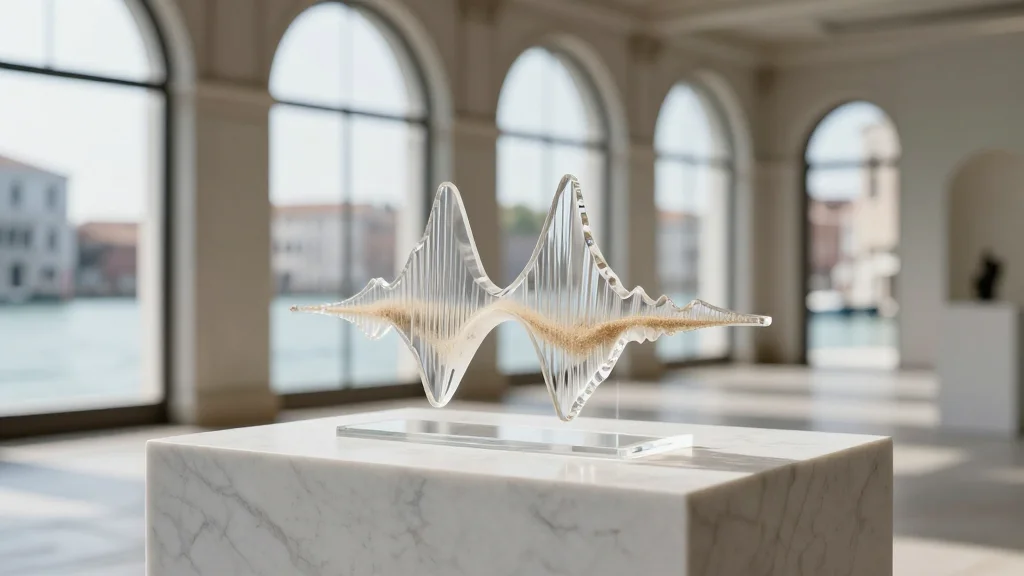
UAE Pavilion Launches "Washwasha" At 2026 Venice Biennale, Spotlighting Sound and Migration

Companies Mentioned
Why It Matters
The UAE’s debut of "Washwasha" at the Venice Biennale marks a strategic use of cultural diplomacy, leveraging a premier global platform to amplify Gulf narratives centered on sound, migration and memory. By foregrounding auditory experiences, the pavilion challenges conventional visual hierarchies in contemporary art and expands the vocabulary of national representation. The exhibition also signals the UAE’s ambition to be seen not just as a patron of large‑scale infrastructure but as a crucible for experimental, interdisciplinary practice, potentially reshaping collector interest and museum programming toward Middle Eastern sound art. Beyond the Biennale, the show’s emphasis on oral histories and transnational identities resonates with ongoing debates about post‑colonial narratives in global art institutions. As the UAE continues to invest heavily in cultural infrastructure, "Washwasha" provides a template for how emerging art economies can assert soft power through nuanced, locally rooted yet globally resonant projects.
Key Takeaways
- •UAE pavilion opens May 9 at the 2026 Venice Biennale with "Washwasha"
- •Six artists—Mays Albaik, Jawad Al Malhi, Farah Al Qasimi, Alaa Edris, Lamya Gargash, Taus Makhacheva—present works tied to the UAE
- •Curated by Bana Kattan and assistant curator Tala Nassar, focusing on sound, memory and migration
- •Exhibition runs until November 22, then will travel to Dubai and Abu Dhabi museums
- •Highlights UAE’s cultural diplomacy and growing influence in the global contemporary art market
Pulse Analysis
The UAE’s choice to center "Washwasha" around auditory experience is a calculated departure from the visual spectacle that typically dominates national pavilions at the Venice Biennale. Historically, Gulf states have leveraged monumental architecture—think of the Louvre Abu Dhabi—to signal cultural ambition. By contrast, this pavilion invests in the intangible, positioning the UAE as a curator of lived experience rather than a patron of grand objects. This shift aligns with a broader trend among emerging art economies that seek legitimacy through conceptual depth rather than sheer scale.
From a market perspective, the exhibition arrives at a moment when collectors are increasingly seeking narratives that bridge East and West. The inclusion of artists with diasporic backgrounds—such as Moscow‑born Taus Makhacheva—offers a compelling story of cross‑cultural dialogue, which can translate into heightened demand for works that embody similar hybridity. Moreover, the focus on sound art taps into a niche yet growing segment of the contemporary market, where institutions like the Museum of Modern Art and the Tate have recently expanded their audio collections.
Looking ahead, the pavilion’s post‑Biennale tour suggests an intent to cement the exhibition’s impact within the UAE’s own cultural ecosystem. If the traveling show garners strong local engagement, it could encourage further investment in sound‑based installations and interdisciplinary projects across the Gulf. In the long term, "Washwasha" may serve as a blueprint for how smaller, non‑Western nations can wield soft power: by offering fresh sensory experiences that challenge dominant artistic paradigms while reinforcing national narratives of resilience and transformation.
UAE Pavilion Launches "Washwasha" at 2026 Venice Biennale, Spotlighting Sound and Migration
Comments
Want to join the conversation?
Loading comments...