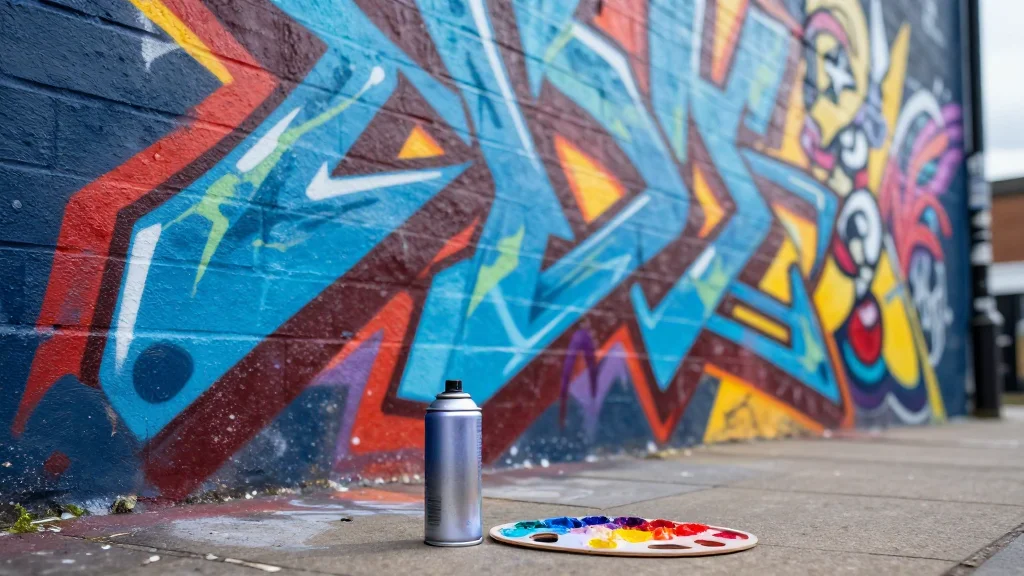
Upfest 2026 Turns Bristol Into Europe’s Largest Open‑Air Graffiti Gallery

Why It Matters
Upfest 2026 illustrates how large‑scale public art festivals can reshape urban identity and drive economic activity. By converting streets into a free, accessible gallery, the event challenges traditional notions of where art belongs and who gets to experience it. The festival’s blend of creation, education and dialogue also sets a precedent for municipal partnerships that support creative economies while addressing concerns about public space usage. The success of Upfest may inspire other European cities to adopt similar models, potentially leading to a network of open‑air galleries that celebrate street art as a legitimate cultural asset. This could reshape funding priorities, encourage preservation of temporary works, and influence zoning regulations that accommodate large‑scale murals.
Key Takeaways
- •Upfest 2026 launched with 150 new murals across Bristol.
- •More than 80,000 visitors expected during the 17‑day festival.
- •Five headline artists redesigned Quakers Friars into Quakers Art Lane.
- •Workshops, tours and panels engage the public in street‑art creation.
- •Local businesses report increased foot traffic and sales.
Pulse Analysis
Upfest’s rapid growth into Europe’s largest graffiti festival reflects a broader shift in how cities leverage cultural programming to boost tourism and civic pride. Historically, street art existed on the fringes of the art market, often dismissed as illicit. Upfest flips that narrative by institutionalising graffiti within a curated, city‑wide framework, effectively turning what was once a subcultural expression into a mainstream attraction.
The festival’s economic impact is twofold: direct revenue from visitor spending and indirect benefits through heightened city branding. Bristol’s reputation as a creative hub is reinforced, attracting future investments in arts infrastructure and potentially influencing property values in mural‑rich districts. However, the temporary nature of many works raises questions about preservation and the rights of artists versus municipal authorities—a tension that will likely surface in policy debates.
Looking ahead, Upfest could serve as a template for other municipalities seeking to revitalize underused urban spaces. By integrating educational components, the festival not only showcases talent but also cultivates the next generation of artists and informed citizens. If future editions expand to incorporate digital and augmented‑reality elements, the festival may further blur the line between physical and virtual art experiences, positioning Bristol at the forefront of innovative public art.
Upfest 2026 Turns Bristol into Europe’s Largest Open‑Air Graffiti Gallery
Comments
Want to join the conversation?
Loading comments...