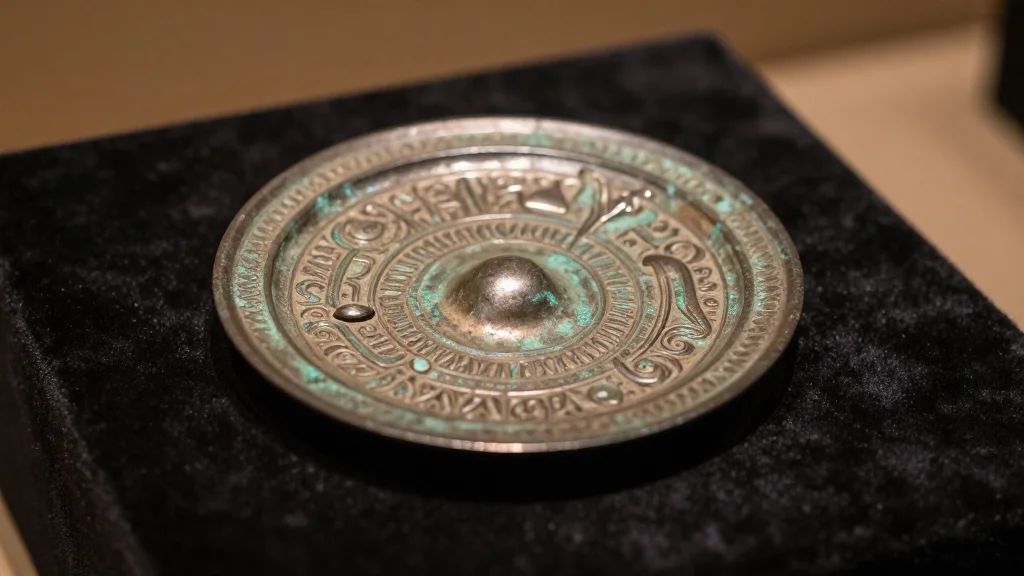
US Exhibition Unearths the Etruscans and Their Enduring Cultural Influence
Why It Matters
The exhibition brings rare Etruscan material culture to a U.S. audience, deepening understanding of a civilization that shaped early Roman infrastructure and religious traditions. Its insights into trade networks and language contribute to broader scholarship on Mediterranean antiquity.
Key Takeaways
- •Exhibition features 200 Etruscan artifacts, including US debut of Liber Linteus
- •Recent archaeological finds shed light on Etruscan language, still undeciphered
- •Trade in copper, iron, tin linked Etruria to Greeks and Phoenicians
- •Etruscan engineering and religious practices influenced early Roman city planning
Pulse Analysis
The Etruscans, a once‑dominant culture of central Italy, built a sophisticated economy around metal resources such as copper, iron and tin. Their trade routes stretched across the Mediterranean, connecting them with Greek colonies and Phoenician merchants, and fostering a flow of ideas that prefigured later Roman commerce. By mastering hydraulic engineering and urban design, the Etruscans laid groundwork for the infrastructural marvels that would define the Roman Republic.
The Legion of Honor’s new exhibition offers a rare glimpse into this legacy, presenting nearly two hundred objects that span daily life, funerary rites, and literary achievement. Central to the show is the Liber Linteus Zagrabiensis, a third‑century BC linen book that survived only because it was repurposed as an Egyptian mummy wrapping before reaching Zagreb. Alongside the text, the Regolini‑Galassi tomb treasures, on loan from the Vatican, illustrate the opulence of Etruscan aristocracy and the religious symbolism embedded in their burial customs. Curator Renée Dreyfus highlights recent digs that have uncovered additional inscriptions, edging scholars closer to deciphering a language with no known relatives.
Beyond academic interest, the exhibition underscores how Etruscan innovations permeated Roman society, from water‑powered baths to city grid layouts still evident in modern Italian towns. By exposing American visitors to these connections, the museum reinforces the narrative that cultural diffusion, rather than conquest alone, shaped the ancient world. This perspective enriches contemporary discussions about heritage preservation and the value of cross‑cultural exchange in driving technological progress.
US exhibition unearths the Etruscans and their enduring cultural influence
Comments
Want to join the conversation?
Loading comments...