Venice Biennale 2026: Egyptian & Saudi Pavilions, Drone Protest, Workers Strike

Why It Matters
The convergence of national pavilion launches, activist performances and a historic labor strike at the Venice Biennale signals a turning point for how major art institutions address geopolitical conflict. By foregrounding silence, memory and direct protest, the Egyptian and Saudi pavilions demonstrate that curatorial choices can become sites of political dialogue, while the drone chorus and workers’ strike illustrate a growing willingness among artists and cultural staff to leverage the Biennale’s global platform for advocacy. If the Biennale’s leadership fails to engage constructively with these demands, it risks alienating a significant segment of the contemporary art community and diminishing its cultural relevance. Conversely, a responsive approach could set a precedent for future biennials, embedding ethical considerations into exhibition planning and fostering a more accountable art ecosystem.
Key Takeaways
- •Egypt’s Armen Agop opens the Egyptian pavilion with a silent, tactile three‑room experience
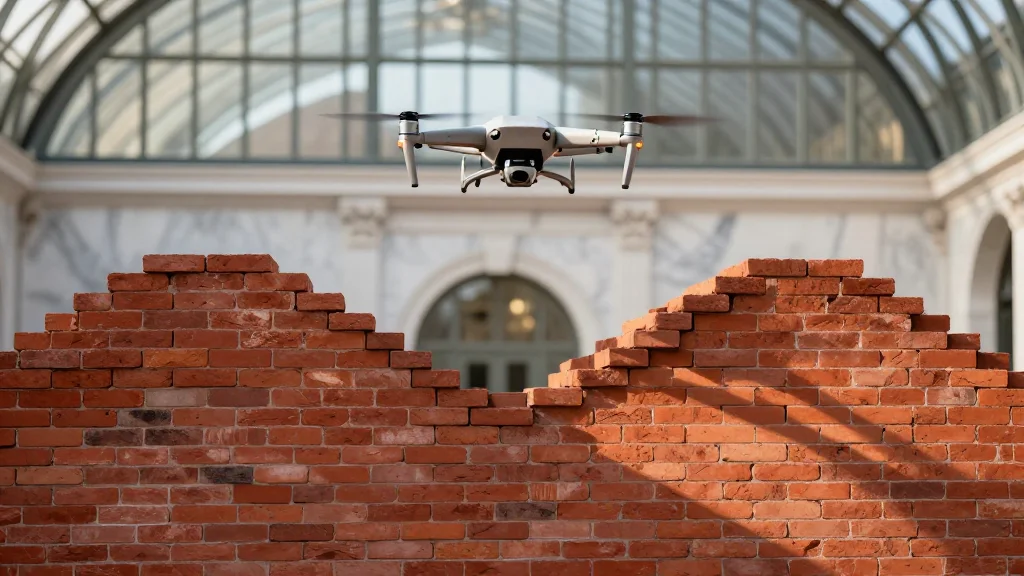
- •Saudi Arabia’s Dana Awartani fills its pavilion with over 29,000 hand‑crafted clay bricks
- •Around 60 artists stage the “Solidarity Drone Chorus” protest, humming a Gaza‑originated song
- •Art Not Genocide Alliance coordinates the Biennale’s first 24‑hour cultural‑worker strike
- •The strike and protests target the Biennale’s decision to host an Israeli pavilion in the Arsenale
Pulse Analysis
The 2026 Venice Biennale illustrates how cultural mega‑events are increasingly becoming arenas for geopolitical contestation. Historically, the Biennale has been a showcase for national prestige, but the current edition blurs the line between artistic presentation and political activism. The Egyptian pavilion’s emphasis on silence can be read as a subtle critique of the cacophony surrounding the conflict, while Saudi Arabia’s brick mosaic leverages traditional craft to assert a narrative of collective memory. Both installations, though apolitical on the surface, are inevitably interpreted through the lens of the surrounding controversy.
The coordinated drone chorus and the unprecedented workers’ strike amplify a broader shift: artists and cultural laborers are no longer content to remain peripheral to policy debates. By occupying public spaces within the Biennale and demanding accountability, they are redefining the role of cultural production as a form of direct action. This mirrors a global trend where art institutions are pressured to adopt explicit ethical stances, as seen in recent museum de‑colonization efforts and divestment campaigns.
Looking ahead, the Biennale’s response will set a benchmark for future international exhibitions. A conciliatory approach—perhaps by re‑configuring the Israeli pavilion or establishing a transparent framework for political vetting—could preserve the Biennale’s reputation as a neutral artistic forum while acknowledging the moral weight of participation. Ignoring the protests, however, may accelerate calls for boycotts and fragment the global art community, undermining the Biennale’s claim to universal relevance. The outcome will likely influence how other biennials, from São Paulo to Shanghai, negotiate the intersection of art, politics and labor rights.
Venice Biennale 2026: Egyptian & Saudi Pavilions, Drone Protest, Workers Strike
Comments
Want to join the conversation?
Loading comments...