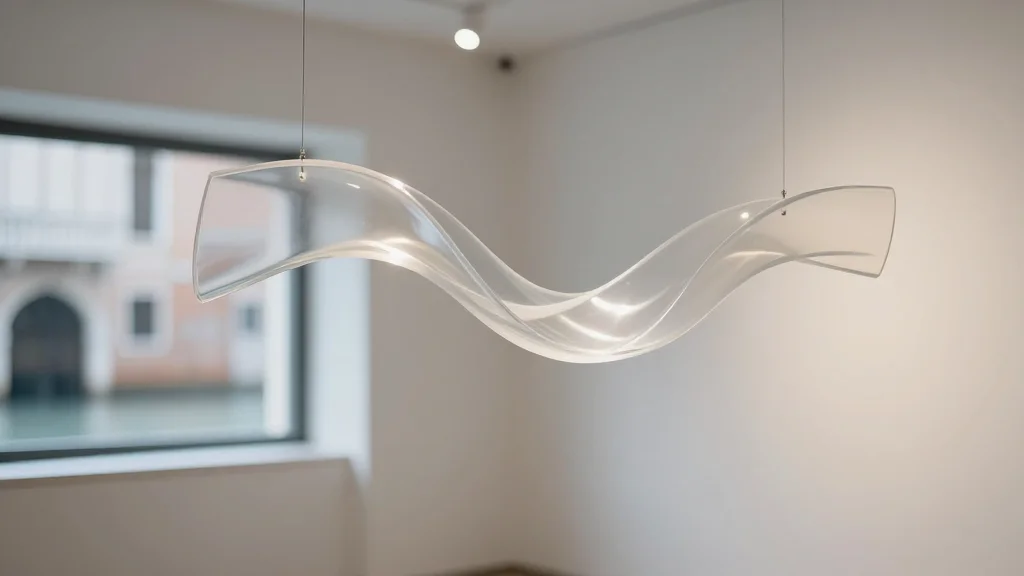
Venice Biennale 2026: Oman’s Haitham Al‑Busafi and Yto Barrada Unveil Shows

Why It Matters
The inclusion of VCUarts Qatar as a collateral event marks a notable shift toward academic institutions playing a visible role on the world’s most prestigious art stage. This move challenges the traditional dominance of sovereign pavilions and suggests that research‑driven practice can command equal cultural weight. Oman’s "Zinah" pushes the conversation about craft versus contemporary art, turning a centuries‑old decorative tradition into a participatory, sensory installation that blurs the line between heritage and avant‑garde. Together with Yto Barrada’s melancholic French pavilion, these projects signal a broader trend toward immersive, narrative‑driven works that prioritize visitor experience over static display, reshaping how curators conceive national representation at global exhibitions.
Key Takeaways
- •VCUarts Qatar secures a collateral slot with "Aghrab Idrāk: Thresholds of Perception" at the 61st Venice Biennale
- •Amir Berbić, dean of VCUarts Qatar, highlighted the event as a milestone in international engagement
- •Haitham Al‑Busafi’s "Zinah" transforms Omani silver horse adornment into an immersive, participatory installation
- •Al‑Busafi’s quote emphasizes adornment as recognition, not possession, framing the work’s conceptual basis
- •Yto Barrada’s "enfant de Saturne" opens the French pavilion, continuing her exploration of memory and migration
Pulse Analysis
The 61st Venice Biennale is crystallizing a new curatorial equilibrium where academic, national, and immersive practices intersect. Historically, the Biennale has been a showcase for sovereign cultural agendas, but the rise of university‑backed collateral events—exemplified by VCUarts Qatar—signals a democratization of the platform. These institutions bring research infrastructure, interdisciplinary labs, and pedagogical rigor that can enrich the exhibition’s intellectual depth, yet they also raise questions about funding models and the balance between educational objectives and market visibility.
Oman’s "Zinah" illustrates how traditional craft can be re‑imagined as contemporary art without erasing its cultural specificity. By inviting visitors to become part of the work, Al‑Busafi aligns with a global shift toward participatory art that values embodied experience over passive observation. This approach resonates with the Biennale’s "In Minor Keys" theme, which calls for sensory encounters that avoid spectacle. The success of such installations could encourage other Gulf states to invest in similar projects, potentially redefining the region’s artistic export strategy from patronage of static objects to dynamic, site‑specific experiences.
France’s choice of Yto Barrada continues the nation’s emphasis on artists who negotiate post‑colonial identities within a European framework. Her melancholic tone offers a counterpoint to the more kinetic, participatory works of Oman and Qatar, reminding audiences that narrative depth remains a vital component of national representation. As curators and cultural ministries observe visitor responses, the Biennale may become a testing ground for hybrid models that blend immersive technology, heritage reinterpretation, and personal storytelling—an evolution that could reshape the future programming of both national pavilions and collateral events.
Venice Biennale 2026: Oman’s Haitham Al‑Busafi and Yto Barrada Unveil Shows
Comments
Want to join the conversation?
Loading comments...