Why It Matters
The Biennale’s blend of curatorial resilience, politically charged art, and heritage preservation signals a shift toward activism‑driven programming that will influence contemporary art markets and cultural policy worldwide.
Key Takeaways
- •In Minor Keys continues Kouoh’s vision through five collaborators
- •Gabrielle Goliath’s South African pavilion relocated to a historic church
- •Lubaina Himid presents 'Predicting History' at the British pavilion
- •Belarus Free Theatre’s collateral project underscores art activism under repression
- •Tintoretto’s restored canvases return to San Giorgio Maggiore after major conservation
Pulse Analysis
The 2026 Venice Biennale reaffirms its status as the world’s premier platform for contemporary art, showcasing over a hundred creators across the Giardini, the Arsenale shipyards, and a network of national pavilions. The centerpiece, *In Minor Keys*, carries forward the late Koyo Kouoh’s curatorial ethos, with five collaborators translating her vision into a dialogue about marginality and sound. By situating the exhibition within Venice’s historic fabric, the Biennale underscores the city’s role as a living laboratory where tradition meets avant‑garde experimentation, attracting collectors, curators, and scholars eager to gauge emerging trends.
Beyond aesthetics, the 2026 edition foregrounds art as a vehicle for political discourse. Gabrielle Goliath’s South African pavilion, forced out of the official roster, found a new home in a centuries‑old church, turning a logistical setback into a statement on displacement. Lubaina Himid’s British pavilion interrogates colonial histories through "Predicting History," while Saidiya Hartman’s essays inspire the theatrical piece *Minor Music at the End of the World*, featuring luminaries like Arthur Jafa. The Belarus Free Theatre’s collateral project, "Official. Unofficial. Belarus.", amplifies dissent, illustrating how the Biennale continues to serve as a stage for global activism.
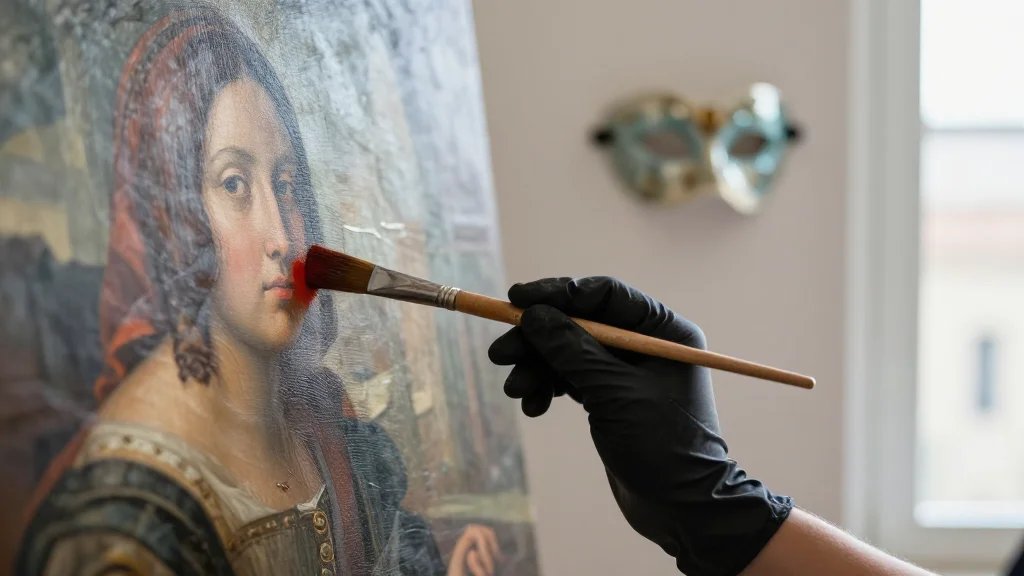
Heritage preservation remains a parallel narrative, highlighted by the recent conservation of Jacopo Tintoretto’s *The Last Supper* and *The Israelites in the Desert*. Funded by the charity Save Venice, the meticulous restoration returns these masterpieces to the Basilica of San Giorgio Maggiore, reinforcing Venice’s commitment to safeguarding its artistic legacy. The project not only protects invaluable cultural assets but also boosts tourism and scholarly research, ensuring that the city’s Renaissance treasures remain integral to contemporary dialogues. As the Biennale progresses, the interplay of cutting‑edge art, sociopolitical engagement, and historic stewardship will shape its influence on the global cultural economy.
Venice Biennale Special 2026—podcast
Comments
Want to join the conversation?
Loading comments...