Venice Biennale’s Fierce Pussy Group Says City Censored Posters About Queer and Trans People
Why It Matters
The censorship underscores the fragile balance between artistic freedom and public policy, especially for LGBTQ visibility, and signals potential challenges for future culturally provocative projects in Europe.
Key Takeaways
- •Fierce pussy’s Biennale posters were pulled from public display by Venice officials
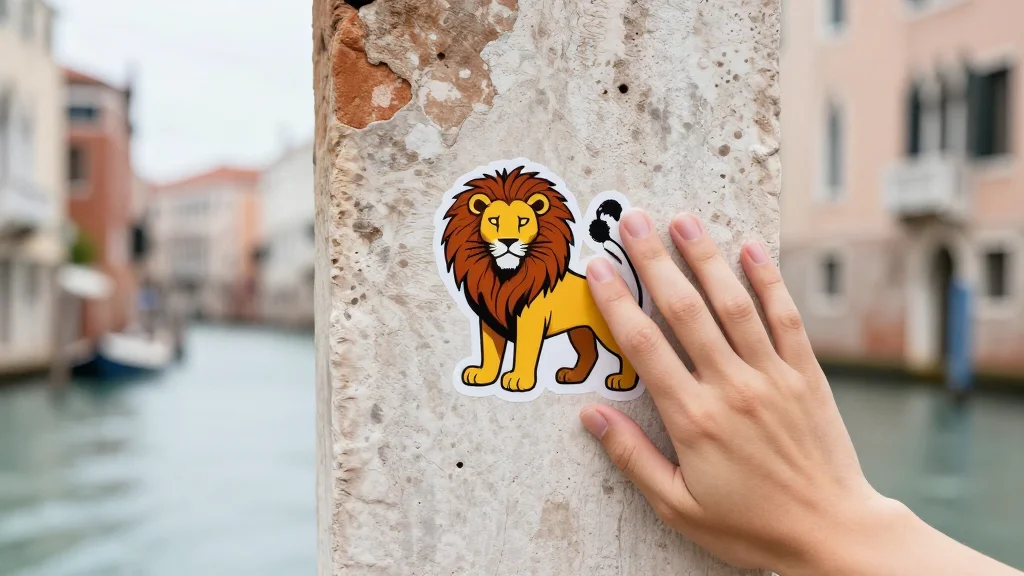
- •Artists responded by creating stickers and covertly re‑installing the work
- •Original posters now sit inside the Biennale’s Arsenale entrance
- •Incident raises questions about LGBTQ representation in public art
Pulse Analysis
The Venice Biennale, one of the world’s most prestigious art fairs, has become a flashpoint for debates over LGBTQ representation. While the exhibition traditionally showcases avant‑garde works, the inclusion of fierce pussy’s posters—explicitly welcoming queer and trans audiences—clashed with the city’s conservative sensibilities. Recent European trends show a rise in municipal scrutiny of public art that addresses gender and sexuality, making Venice’s decision to pull the posters a notable example of institutional gatekeeping.
Fierce pussy, composed of Nancy Brooks Brody, Joy Episalla, Zoe Leonard and Carrie Yamaoka, crafted two bold posters: one pairing the iconic Lion of Venice with a cat and the phrase “Welcome queers and trans people,” and another listing diverse occupations ending with “we are everyone.” After the city’s intervention, the collective pivoted to a guerrilla‑style rollout, printing miniature stickers and affixing them to walls, windows, and advertising spaces. This adaptive strategy not only preserved the work’s visibility but also amplified its message about resilience and the necessity of queer spaces in public discourse.
The episode reverberates beyond the Biennale, signaling to curators, artists, and cultural policymakers the importance of safeguarding expressive freedoms. As LGBTQ themes become increasingly central to contemporary art, municipalities may face pressure to either embrace inclusive narratives or risk criticism for censorship. For collectors and institutions, the incident serves as a reminder to assess the sociopolitical climate surrounding exhibitions, ensuring that bold artistic statements are supported rather than suppressed. The dialogue sparked by fierce pussy’s experience will likely influence future programming decisions across Europe’s cultural landscape.
Venice Biennale’s fierce pussy Group Says City Censored Posters About Queer and Trans People
Comments
Want to join the conversation?
Loading comments...