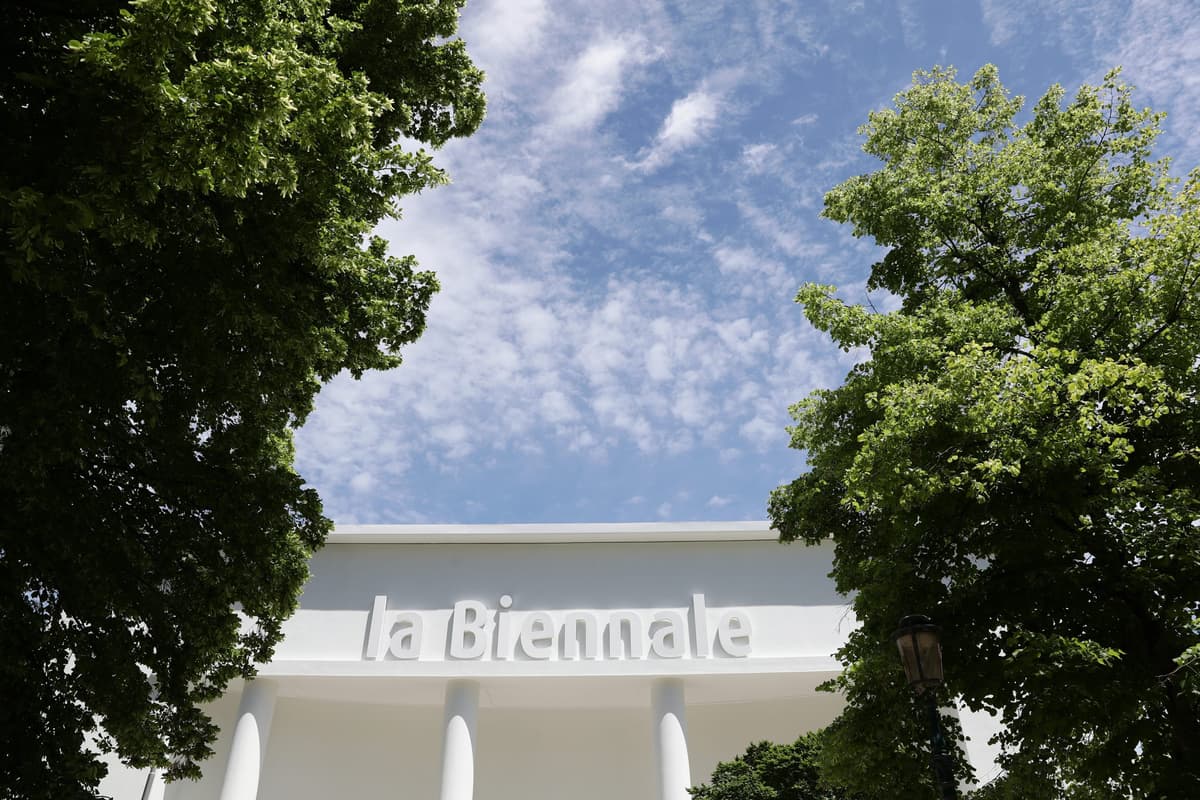
Venice Biennale’s Prize Ban on Israel and Russia Falls Short for Critics
Why It Matters
Excluding two high‑profile nations from the Biennale’s top prizes signals mounting pressure on cultural institutions to uphold human‑rights norms, and the EU funding pull shows how geopolitics can directly reshape arts financing. The controversy also underscores the tension between artistic freedom and political accountability.
Key Takeaways
- •Jury bans Israel, Russia from Golden and Silver Lion prizes
- •EU withdraws €2 million ($2.3 million) from Biennale funding
- •Artists demand full exclusion; critics say decision insufficient
- •Russian pavilion curated by Anastasia Karneeva showcases young creators
- •Finland announces boycott of Biennale over Russia's presence
Pulse Analysis
The Venice Biennale, often described as the "Olympics of art," commands global attention each May, drawing governments, collectors, and cultural influencers alike. By tying prize eligibility to International Criminal Court indictments, the 2026 jury introduced a rare precedent: a major art institution using legal criteria to police state conduct. This policy not only reshapes the competitive landscape for national pavilions but also forces curators to reckon with the ethical dimensions of representation, prompting a re‑evaluation of how prestige and politics intersect in contemporary exhibition practice.
Financial stakes quickly followed cultural ones. The European Union’s decision to pull €2 million ($2.3 million) from Biennale funding marks a tangible economic sanction that will reverberate through the 2028 edition’s budget, signaling that donor bodies are willing to leverage cash to enforce normative standards. Meanwhile, Israel’s official artist representative decried the move as discriminatory, and Finland’s government announced a boycott, illustrating how funding decisions can cascade into diplomatic friction and affect visitor numbers, sponsorships, and media coverage.
The broader debate pits artistic autonomy against moral responsibility. Activist collectives such as the Art Not Genocide Alliance view the jury’s action as a crucial, if incomplete, step toward curbing state‑sanctioned violence within cultural venues. Critics, however, argue that partial exclusion merely tokenizes dissent and leaves other problematic regimes untouched. As the Biennale opens on May 9, its handling of the Israel‑Russia controversy will likely set a benchmark for future cultural events navigating the fraught terrain of geopolitics, censorship, and the global art market.
Venice Biennale’s Prize Ban on Israel and Russia Falls Short for Critics
Comments
Want to join the conversation?
Loading comments...