
Why It Matters
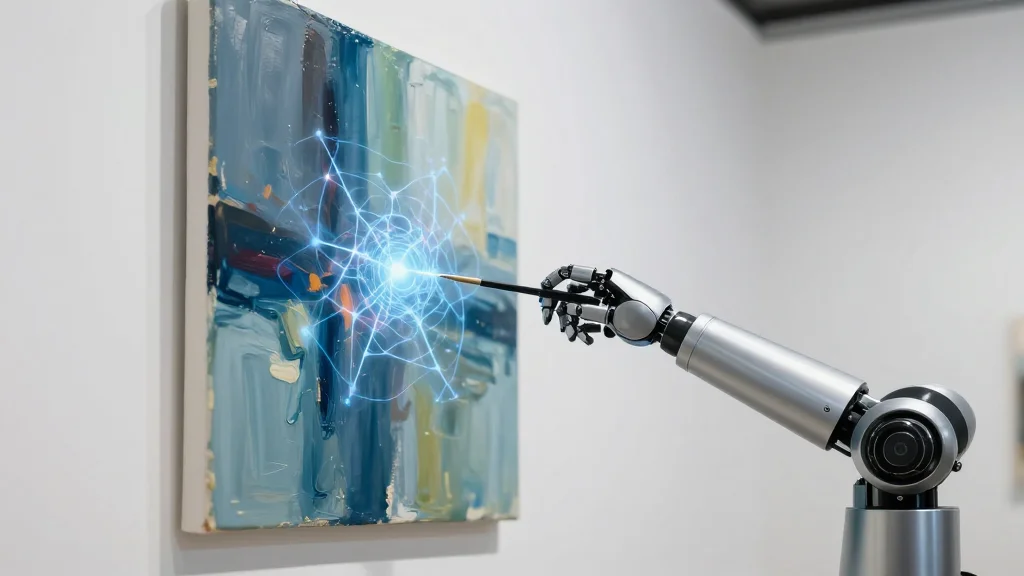
The Venice exhibition marks a watershed moment for the integration of artificial intelligence into mainstream art discourse. By framing AI as a co‑creator rather than a mere tool, Lu challenges entrenched notions of authorship and pushes institutions to develop new curatorial vocabularies. The public debate sparked by the show—balancing creative freedom with ethical accountability—will shape policy, education and market practices as AI becomes an increasingly common collaborator in artistic production. Beyond the gallery walls, the exhibition’s interdisciplinary approach may influence funding bodies to allocate resources toward research that bridges art and technology. As museums worldwide grapple with how to exhibit, preserve, and authenticate AI‑generated works, Lu’s project offers a prototype for responsibly navigating these emerging complexities.
Key Takeaways
- •Victoria Lu opened "Metamorphosis: Beyond the Real" in Venice on May 9, 2026.
- •Exhibition runs through November 22, 2026 at Ca' Foscari Esposizioni.
- •Show combines five decades of Lu's work with AI‑generated pieces created from her own archives.
- •Panelists debated ethical responsibility and authorship in human‑AI collaborations.
- •Future plans include workshops and a traveling component to Asian art centers.
Pulse Analysis
Lu's Venice exhibition arrives at a tipping point where AI is moving from experimental labs into the public sphere of cultural production. Historically, technological shifts—photography, video, digital media—have each prompted a re‑evaluation of what constitutes artistic originality. AI differs because it can autonomously generate content, forcing the art world to confront the question of agency at a granular level. Lu's decision to treat AI as a conversational partner reframes the technology from a deterministic output machine to an interlocutor, a stance that could recalibrate how critics assess intent and originality.
Market dynamics will likely adjust quickly. Collectors have already begun to price AI‑infused works based on algorithmic novelty and the reputation of the human collaborator. Lu's high‑visibility platform may accelerate the standardisation of provenance records that include code versions, training data sets and model parameters. Auction houses could develop new categories for "human‑AI co‑created" works, mirroring the emergence of digital art categories a decade ago.
Looking ahead, the exhibition's interdisciplinary model—pairing artists with technologists and scholars—could become a template for future curatorial practice. Institutions may invest in in‑house AI labs to support artists, while academic programs might expand curricula to include ethics of machine creativity. As the dialogue between flesh and silicon deepens, the art world will need robust frameworks for attribution, copyright and moral responsibility, ensuring that the co‑creative future Lu envisions remains both innovative and accountable.
Venice Exhibition Puts Human-AI Co‑Creation Center Stage
Comments
Want to join the conversation?
Loading comments...