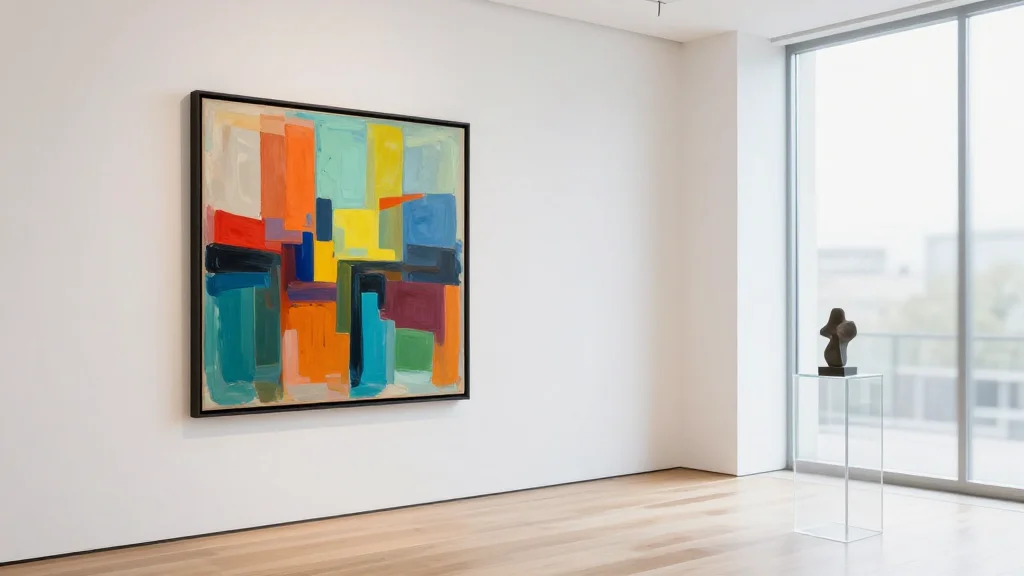
Wábi Gallery Opens on Court Street, Giving Emerging Yale Artists a New Home

Companies Mentioned

Why It Matters
Wábi Gallery’s opening signals a resurgence of artist‑driven cultural infrastructure in a city that has seen several downtown venues disappear. By anchoring emerging Yale talent in a dedicated, professionally managed space, the gallery helps retain creative capital within New Haven, fostering a more vibrant local art market and offering new opportunities for collectors, educators, and community members. The project also demonstrates how targeted philanthropy and personal investment can revive underutilized urban properties, potentially inspiring similar initiatives in other mid‑size cities facing cultural displacement. Moreover, the gallery’s emphasis on accessibility and sustainable operations—evident in its ongoing HVAC upgrades and ADA improvements—sets a benchmark for future art spaces seeking to balance artistic ambition with inclusive design. As the venue matures, its success could influence municipal policy on supporting artist‑run enterprises and preserving cultural districts.
Key Takeaways
- •Wábi Gallery opened at 126 Court St., New Haven, after five years of renovation.
- •Founder Kim Weston funded the project with inheritance, foundation grants and donor support.
- •The inaugural show features ten artists linked to Yale’s MFA program.
- •The gallery fills a void left by recent downtown closures such as Artspace and ECOCA.
- •Grants also support Weston’s youth photography program, linking education with exhibition space.
Pulse Analysis
The launch of Wábi Gallery illustrates a shifting paradigm in the art world where individual creators increasingly become custodians of cultural infrastructure. Historically, mid‑size American cities relied on nonprofit institutions to anchor their art scenes; however, budget constraints and real‑estate pressures have forced many to downsize or relocate. Weston’s model—leveraging personal capital, targeted philanthropy, and community networks—offers a resilient alternative that can adapt more quickly to local needs.
From a market perspective, the gallery creates a micro‑ecosystem that benefits both artists and collectors. Emerging creators gain a professional venue to showcase work beyond academic settings, while collectors gain early access to talent that may appreciate in value as these artists graduate and enter the broader market. This dynamic could accelerate the visibility of New Haven’s MFA cohort, positioning the city as a feeder hub for larger galleries and auction houses.
Looking ahead, the sustainability of such artist‑run spaces will hinge on their ability to diversify revenue streams—through membership programs, educational workshops, and strategic partnerships with larger institutions. If Wábi Gallery can demonstrate financial viability while maintaining its mission, it may serve as a template for other cities confronting similar cultural gaps, reinforcing the notion that grassroots initiatives can effectively preserve and enrich urban artistic life.
Wábi Gallery Opens on Court Street, Giving Emerging Yale Artists a New Home
Comments
Want to join the conversation?
Loading comments...