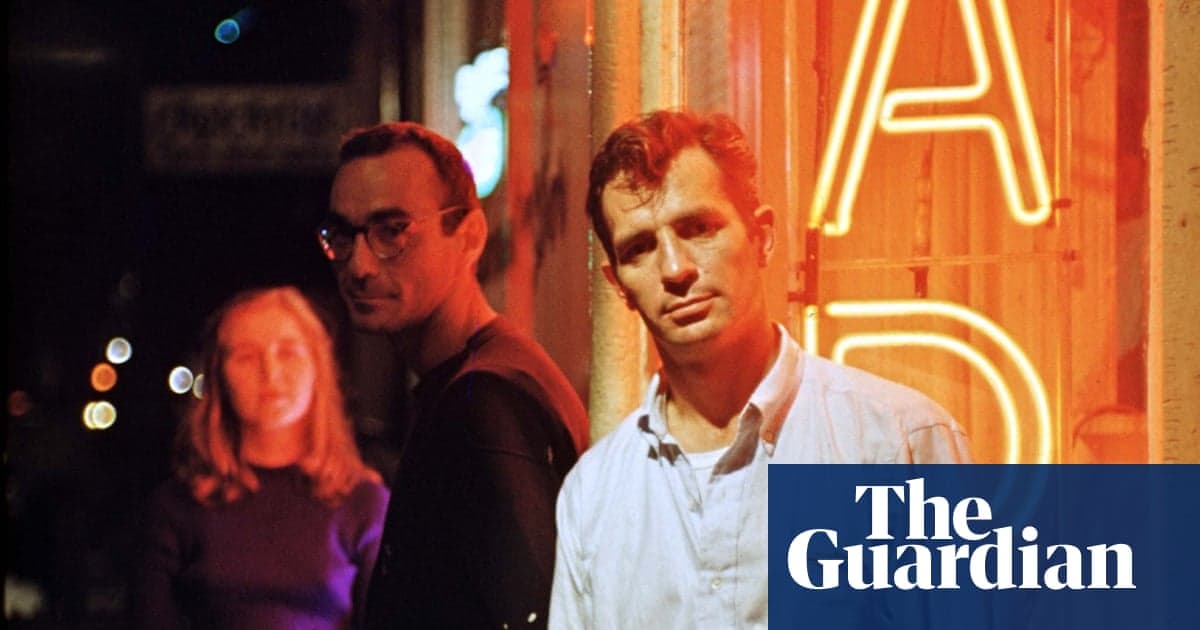
‘We All Want to Know What He Was Doing in the Bedroom’: Kerouac’s Unseen Archive Goes on Show in New York
•March 9, 2026
0
Why It Matters
The exhibition reshapes public perception of Kerouac, offering scholars nuanced insight into his formative years and personal contradictions, while the auction of his seminal manuscript underscores the tension between cultural heritage and market forces.
Key Takeaways
- •Unseen Kerouac letters reveal early spontaneous prose experiments
- •Exhibit includes personal items challenging Beat rebel myth
- •Letters show Kerouac's working‑class background and ambitions
- •Show sparks debate on publishing private correspondence
- •Upcoming auction of *On the Road* scroll raises stewardship concerns
Pulse Analysis
The Grolier Club’s "Running Through Heaven" exhibition underscores the value of primary sources in literary scholarship, presenting Kerouac’s unpublished correspondence and marginalia that illuminate the evolution of his signature spontaneous prose. By situating these documents alongside contemporaneous works, the show provides a tangible link between the Beat generation’s cultural upheaval and the academic study of post‑war American literature, inviting scholars to re‑examine canonical narratives with fresh evidence.
Beyond texts, the display’s personal artifacts—slippers, a glass ashtray, a tobacco pouch, and even a work schedule—challenge the rugged, road‑warrior myth that has long defined Kerouac. These objects reveal a more nuanced portrait: a working‑class individual navigating Catholic roots, Buddhist interests, and complex sexual identity. Highlighting such contradictions feeds contemporary conversations about non‑toxic masculinity and the fluidity of artistic personas, offering readers a richer, more humanized understanding of a cultural icon.
The timing of the exhibit, coinciding with the upcoming auction of the 37‑meter *On the Road* draft, spotlights the ongoing debate over literary stewardship. While private collectors can preserve and fund preservation, the risk of restricting public access raises ethical concerns for institutions and scholars. The exhibition thus serves as a catalyst for dialogue on how seminal works should be housed—balancing market dynamics with the imperative to keep foundational texts within the public scholarly domain.
‘We all want to know what he was doing in the bedroom’: Kerouac’s unseen archive goes on show in New York
0
Comments
Want to join the conversation?
Loading comments...