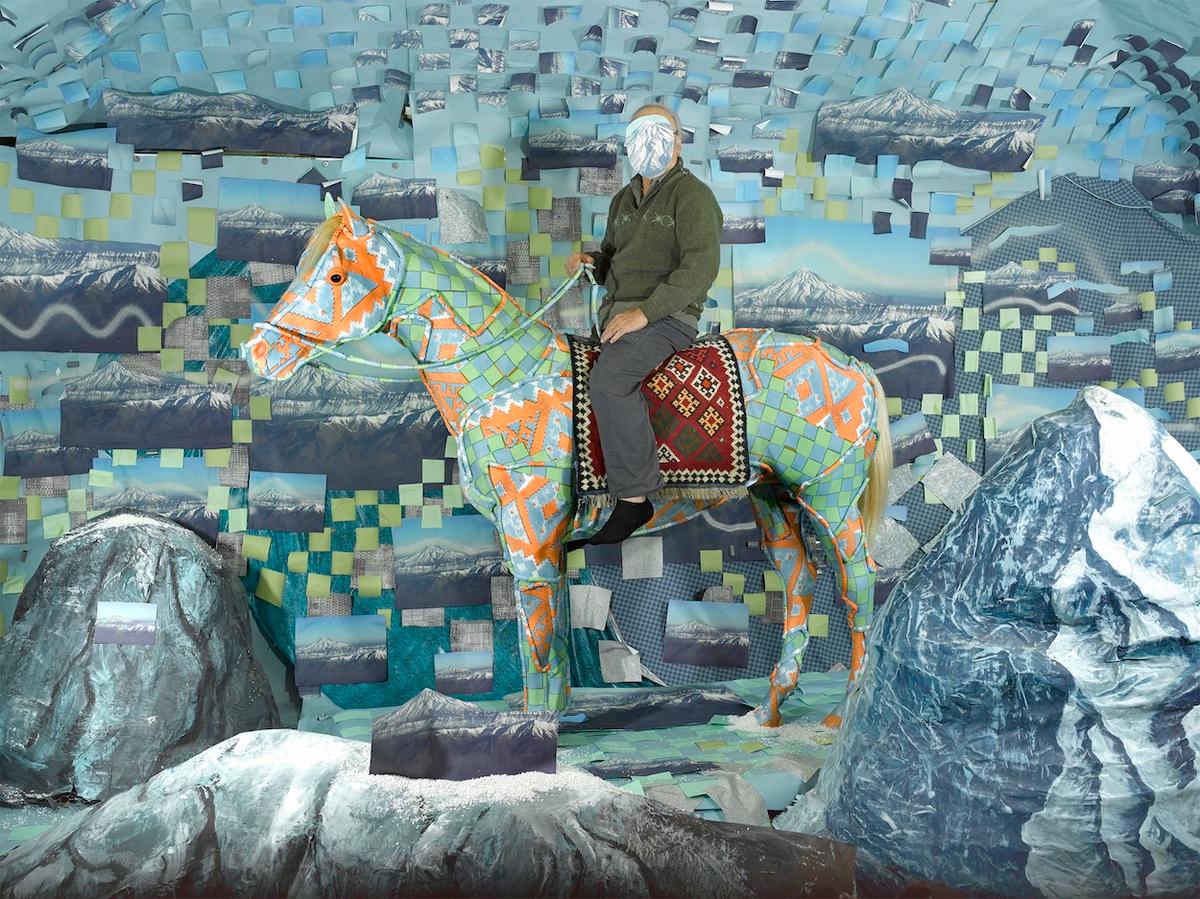
Weight, Memory, and Care Inform Sheida Soleimani’s “Forest of Stars” At Yancey Richardson
Why It Matters
The show demonstrates how art can fuse personal and political histories with ecological activism, offering a model for socially engaged practice that resonates across cultural institutions and the broader art market.
Key Takeaways
- •Soleimani blends exile memory with live bird rehabilitation in new show
- •Photographic tableaux incorporate parents' Iranian Revolution stories and archival objects
- •Birds serve as literal subjects, not symbolic, emphasizing care responsibility
- •Title references revolutionary poem, linking cycles of loss and renewal
- •Exhibition runs through May 23 at Yancey Richardson, drawing major museum interest
Pulse Analysis
Sheida Soleimani, a photographer, educator, and federally licensed wildlife rehabilitator, leverages her dual expertise to reshape contemporary art discourse. In "Forest of Stars," the artist translates daily bird‑care routines—feeding, treating injuries from human infrastructure—into visual narratives that treat care as resistance. By placing injured migratory birds at the center of meticulously staged tableaux, she blurs the line between documentary responsibility and artistic creation, prompting viewers to confront the tangible consequences of urban design on wildlife.
The Ghostwriter series, a cornerstone of the exhibition, revisits the trauma of the 1979 Iranian Revolution through the lens of familial exile. Soleimani draws on oral histories, her parents’ drawings, and archival fragments to construct scenes where memory is intentionally unstable and multilayered. This generational distance allows her to avoid a singular narrative, instead presenting a collaborative space where differing versions coexist. The inclusion of her mother’s site‑specific drawing further anchors the work in personal history, turning private recollection into public contemplation.
Institutionally, the show reinforces Soleimani’s rising prominence, with her work already in the Guggenheim, Victoria & Albert, and MIT List collections. By integrating ecological urgency with geopolitical memory, the exhibition appeals to both art collectors and cultural policymakers seeking socially relevant art. Its timing—amid heightened discourse on climate responsibility and diaspora experiences—positions "Forest of Stars" as a touchstone for future projects that aim to merge activism, memory, and aesthetic innovation.
Weight, Memory, and Care Inform Sheida Soleimani’s “Forest of Stars” at Yancey Richardson
Comments
Want to join the conversation?
Loading comments...