Why It Matters
The imbalance entrenched in art contracts limits creators’ financial autonomy and creative integrity, signaling a need for industry‑wide reform. Understanding and challenging these terms can reshape how value is allocated in the art market.
Key Takeaways
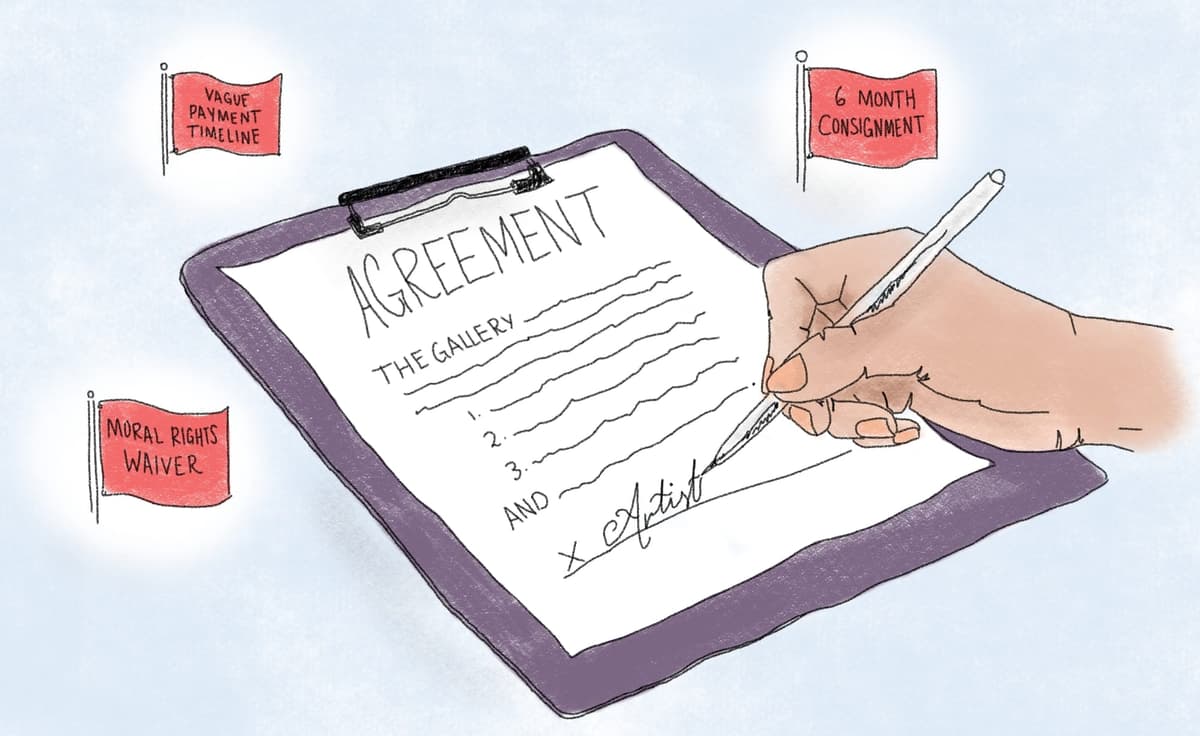
- •Standard consignment contracts can lock artists out of selling their own work
- •Moral‑rights waivers let institutions alter artwork without artist approval
- •Lack of clear payment terms creates cash‑flow risk for creators
- •Artist‑reserved rights agreements have failed due to market resistance
- •Legal counsel and peer networks are crucial for negotiating fair terms
Pulse Analysis
The art market’s reliance on informal trust masks a web of contractual clauses that systematically favor galleries and institutions. Consignment agreements, for example, often extend beyond the exhibition window, binding artists to revenue splits even when they independently secure a buyer. This hidden restriction curtails an artist’s ability to manage their own inventory and cash flow, creating a perpetual dependency on intermediaries. By dissecting the language of these contracts, creators can identify where value is siphoned away and negotiate terms that reflect actual labor and risk.
Moral‑rights waivers represent another frontier where legal language erodes artistic agency. While the Visual Artists Rights Act offers limited protection against distortion and misattribution, many residency and exhibition contracts ask artists to relinquish these rights entirely. Such waivers enable institutions to modify or re‑contextualize works without accountability, a practice that can dilute an artist’s brand and future resale value. Recent activism—spurred by greater access to art‑law education and online peer forums—has begun to challenge these norms, pushing for clauses that preserve integrity while still allowing necessary flexibility for public or site‑specific projects.
For practitioners, the path forward hinges on proactive legal support and collective knowledge sharing. Engaging an art lawyer before signing, even for modest deals, can uncover hidden obligations and suggest alternative structures, such as shorter consignment periods or revenue‑share models tied to actual sales effort. Simultaneously, artist collectives can compile template agreements that embed fair‑play provisions, reducing reliance on one‑off negotiations. As more creators demand transparency, the market may gradually shift toward contracts that balance risk, reward, and creative control, fostering a healthier ecosystem for both artists and institutions.
What Artists Sign Away
Comments
Want to join the conversation?
Loading comments...