Why It Matters
The Biennale draws global collectors, tourists, and media, shaping market trends and reinforcing Venice’s status as a cultural capital. Its high‑profile shows generate sales spikes and elevate the featured artists’ market valuations.
Key Takeaways
- •Koyo Kouoh, first African woman curator, set 2025 theme before passing
- •Matthew Wong exhibition features 35 rare paintings at Palazzo Tiepolo Passi
- •Marina Abramović celebrates 80th birthday with "Transforming Energy" show
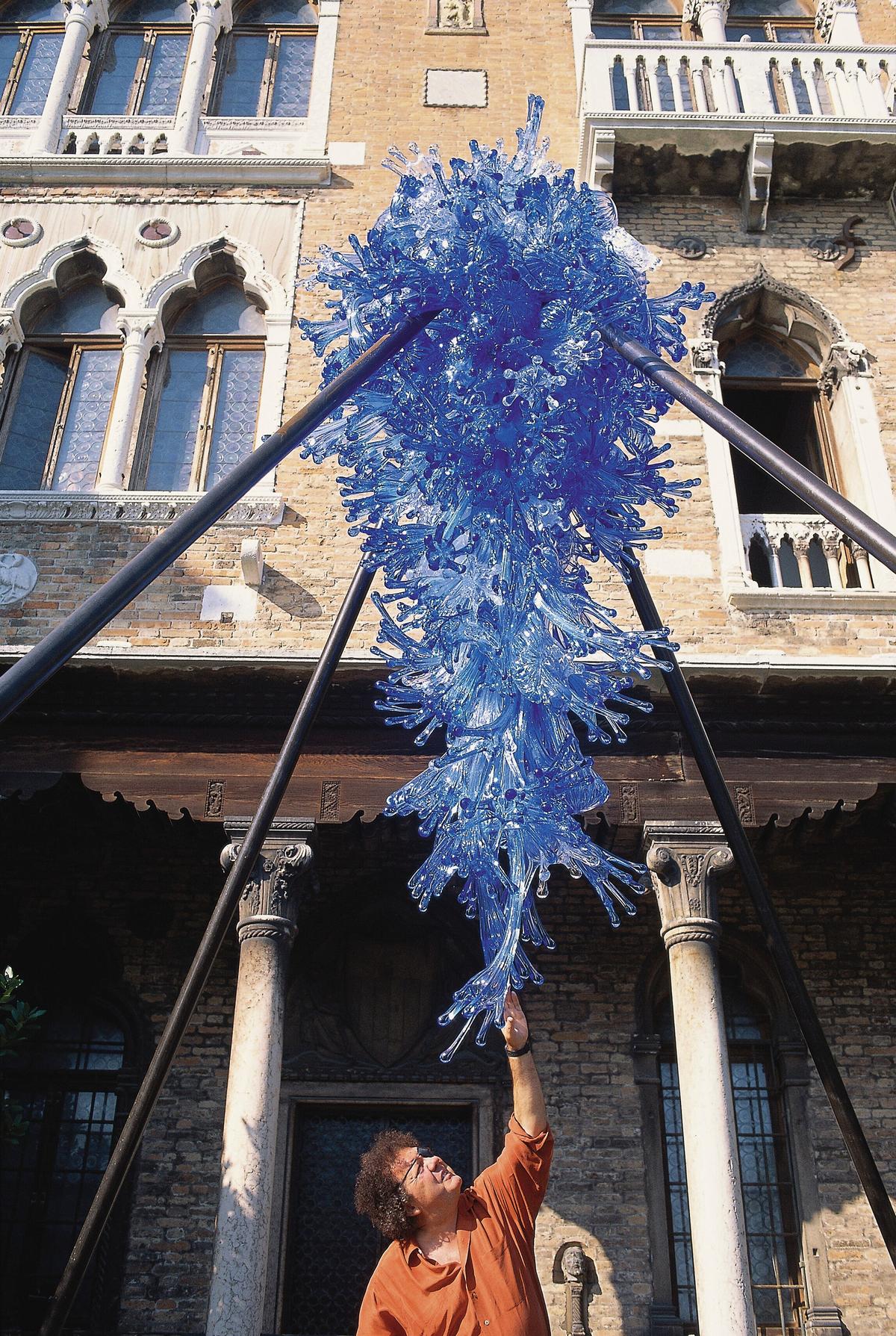
- •Dale Chihuly returns with three new glass installations along Grand Canal
- •Es Devlin directs Homo Faber Biennale, debuting 15‑room "Island of Light"
Pulse Analysis
The Venice Biennale, now in its 61st edition, remains the art world’s most influential recurring exhibition. Occurring every two years, it transforms the historic city into a sprawling gallery, attracting over half a million visitors and generating significant economic impact. This year’s theme, "In Minor Keys," was selected by the late Koyo Kouoh, whose groundbreaking appointment as the first African woman curator signaled a shift toward greater diversity in curatorial leadership. The theme invites artists to explore subtle, nuanced narratives, reflecting the complex cultural dialogues of today.
Among the standout presentations, Matthew Wong’s "Interiors" offers a rare glimpse into the late artist’s oeuvre, with 35 previously unseen works that underscore his rapid rise before his untimely death. Marina Abramović’s "Transforming Energy" not only celebrates her 80th birthday but also reinforces her status as a pioneer of performance art, blending physical endurance with immersive installations. Meanwhile, Dale Chihuly revives his iconic glass sculptures, positioning three new pieces along the Grand Canal to reconnect with the city’s historic relationship with glassmaking. Es Devlin’s role as artistic director of the Homo Faber Biennale adds a technological edge, with her 15‑room "Island of Light" installation spotlighting global artisans and interactive light design.
The Biennale’s programming has tangible market implications. High‑profile exhibitions often trigger auction spikes, as collectors scramble to acquire works by featured artists. Moreover, the event fuels Venice’s tourism economy, extending visitor stays beyond the traditional summer peak. By spotlighting emerging talent alongside established names, the Biennale continues to shape contemporary art discourse and set the agenda for galleries, museums, and investors worldwide.
What to See at the Venice Biennale
Comments
Want to join the conversation?
Loading comments...