Which City Will Be the Next Asian Art Hub? That’s the Wrong Question
Why It Matters
Understanding these nascent ecosystems helps collectors, investors, and cultural policymakers anticipate new centers of artistic production and market growth beyond traditional powerhouses like Hong Kong and Seoul.
Key Takeaways
- •Bangkok's art scene growing via biennale and private museums
- •Dib Bangkok opened Dec 2023, showcasing James Turrell installation
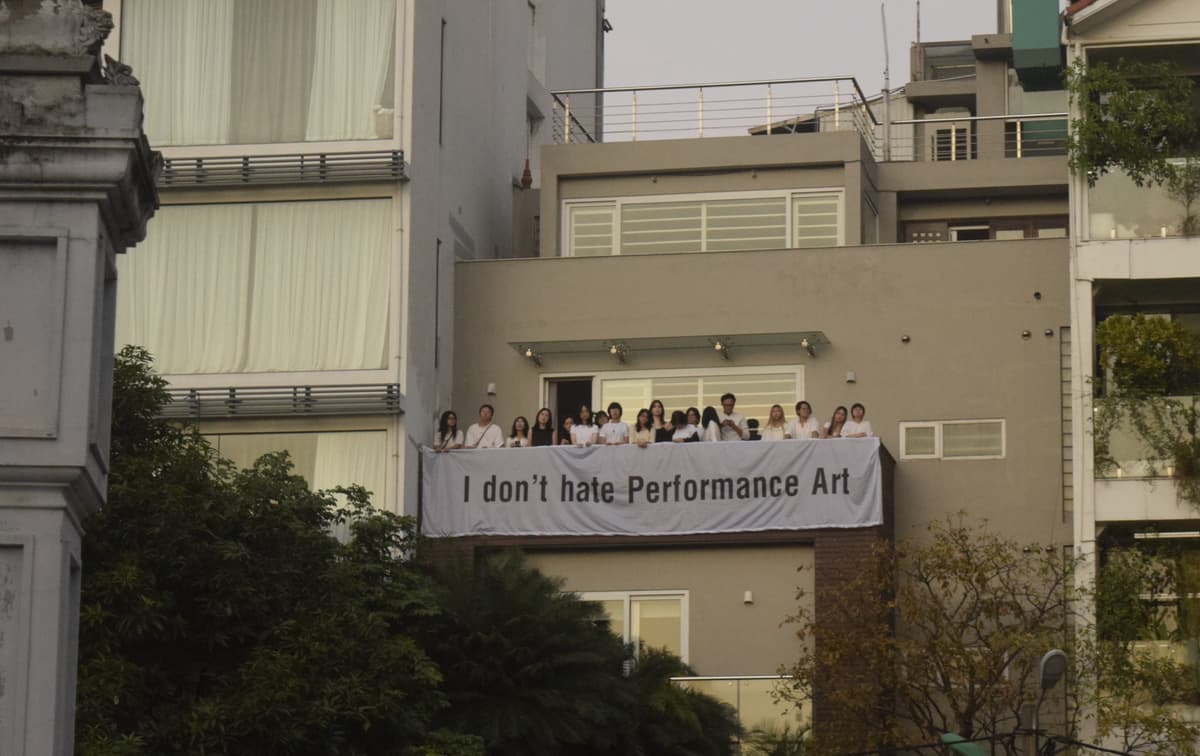
- •Hanoi's experimental legacy supported by VAC and Nha San Collective
- •Vietnam plans first Venice Biennale pavilion, boosting global visibility
- •Private initiatives drive ecosystem development beyond traditional auction metrics
Pulse Analysis
The rise of Bangkok and Hanoi as cultural incubators signals a shift in how Asia’s art market is being re‑mapped. In Bangkok, a constellation of events—such as the Bangkok Art Biennale, the launch of Dib Bangkok, and the anti‑biennial Ghost—creates a layered network that blends commercial galleries with nonprofit programming. This hybrid model reduces reliance on auction houses and encourages long‑term artist support, positioning the city as a sustainable growth engine rather than a fleeting hotspot.
For investors and collectors, the structural momentum in Vietnam offers fresh entry points. The Vietnam Art Collection’s "Murmur" exhibition, the establishment of a government‑recognized fair, and the country’s debut pavilion at the Venice Biennale collectively raise Hanoi’s global profile. These developments broaden the provenance narrative, allowing artworks to command higher premiums as they emerge from a more visible, institutionally backed ecosystem. Auction houses are beginning to track sales from these new venues, recognizing that provenance from private museums and artist‑run spaces now carries market weight.
Looking ahead, the private‑driven model seen in Bangkok and Hanoi may inspire other secondary cities across Southeast Asia to cultivate their own ecosystems. Policymakers can accelerate this trend by fostering public‑private partnerships, offering tax incentives for cultural projects, and investing in infrastructure that supports international exchange. Stakeholders who monitor these grassroots movements will be better positioned to capture early‑stage opportunities as the next generation of Asian art hubs crystallizes.
Which City Will Be the Next Asian Art Hub? That’s the Wrong Question
Comments
Want to join the conversation?
Loading comments...